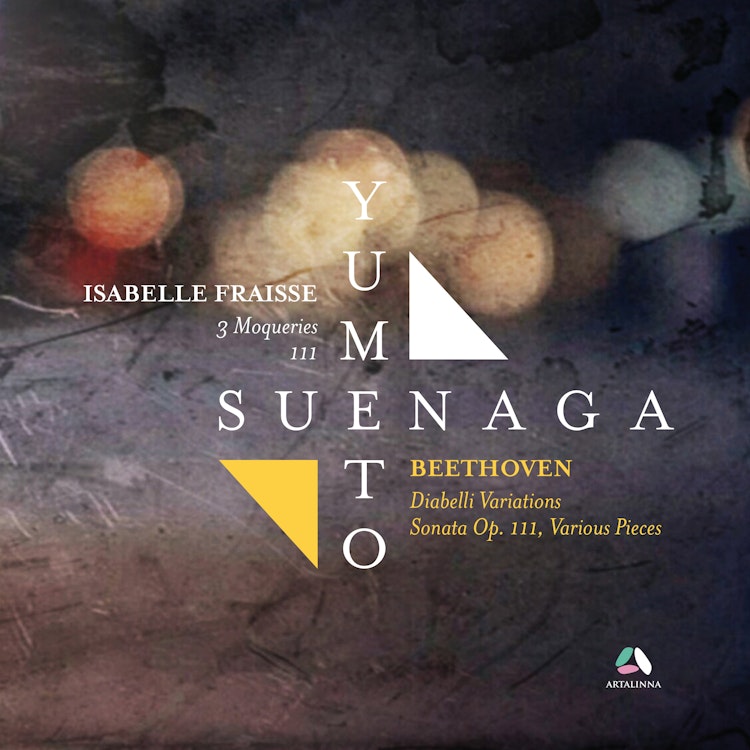
Beethoven composed 33 variations for the Diabelli Variations after learning that Diabelli had already received 32 variations from other composers.
Composition History
Beethoven's Bagatelles Op. 119 include compositions from different periods, with the first five sketched between 1800 and 1802 and reworked twenty years later during the composition of the subsequent six.
Composer Biography
Beethoven affectionately called his shorter pieces, such as Klavierstücke, Valses, Bagatelles, and an Ecossaise, his 'Kleinigkeiten' (little things), as he did not necessarily intend them for posterity.
Composer's Artistic Vision
This album highlights Beethoven's final creative period, which is described as a journey of constant challenges, with compositions that are complex, enigmatic, and surprisingly immediate.
Composition History
Anton Diabelli, a composer and publisher, asked about fifty composers, including Schubert, Czerny, and Hummel, to each compose a variation on his waltz theme to raise funds for orphans and widows of the Napoleonic wars.
Compositional Technique
The Diabelli Variations are described as a 'cosmic journey' of thirty-three variations, a masterpiece filled with paradoxes that Alfred Brendel called 'the greatest of all piano works'.
Compositional Technique
Beethoven's Rondo-caprice 'Anger about a lost penny' is characterized by hilarious self-mockery and comic effects, recalling Haydn, and was published posthumously by Diabelli.
You might also enjoy...
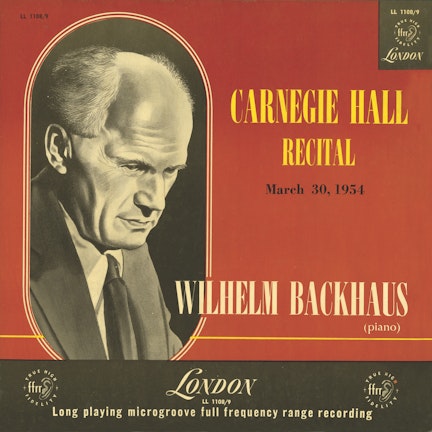
Carnegie Hall Recital, 1954
The Liszt Legacy
Great Pianists of the 20th Century Vol.45 - Myra Hess
Piano Favourites
Reverie
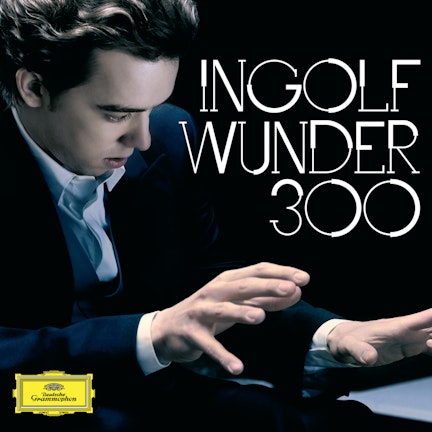
300
The Voice of Piano
Piano Book
Sviatoslav Richter - The Complete Album Collection