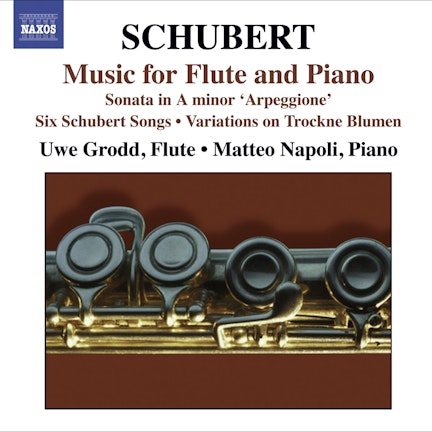
This recording is a world-premiere on period instruments, using a Dresden flute after Wilhelm Leibel (c. 1825) and a Viennese grand piano copied after Graf (c. 1824).
Composition History
George Thomson, a wealthy Edinburgh-based capitalist, commissioned Beethoven to create over 150 folk-setting arrangements over 17 years, with more than 50 letters exchanged between them.
Composer's Artistic Vision
Beethoven expressed anxiety about compromising his "Elevation and originality of style" when composing the commissioned folk arrangements, despite Thomson's requests for simpler music.
Compositional Technique
Beethoven's final versions of the Op. 107 variations show him succumbing to market forces in a beautiful manner, with ingenious solutions for the accompanied sonata style.
Composition History
The first drafts of Beethoven's Op. 107 were rejected by the commissioner, George Thomson, because they were considered too difficult for the ladies of Scotland.
Critical Reception
Beethoven's folk-setting arrangements, including the Ten National Airs with Variations, Op. 107, were traditionally marginalized and viewed as "of little value" by some scholars and biographers.
Performer Biography
Mika Putterman, the romantic flutist on this album, is the artistic director of Autour de la flûte and a founding member of La Petite Harmonie, both ensembles featuring historical instruments.
You might also enjoy...
Musiche per flauto e pianoforte
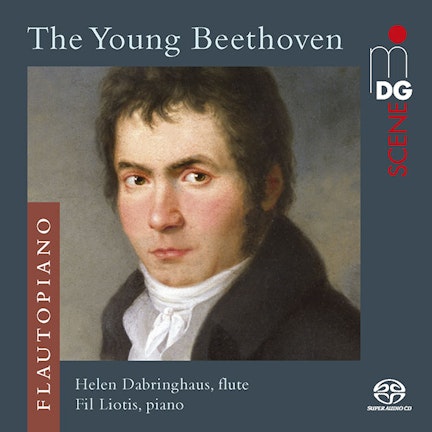
The Young Beethoven
Beethoven: Violin Sonatas Nos. 1-3, Op. 12 (Arr. L. Drouet for Flute & Piano)