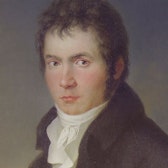
Beethoven initially avoided composing string quartets, instead copying works by Haydn and Mozart to study the craft during his early years in Vienna.
Composition History
Count Lobkowitz, one of Beethoven's patrons, commissioned six string quartets from him and Haydn around 1798 for 400 guilders.
Composition History
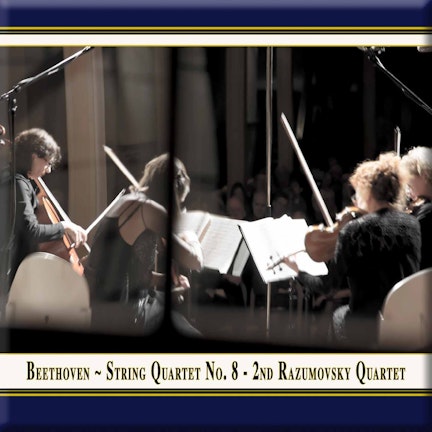
Beethoven's Op. 59 Quartets, known as the 'Razumovsky' Quartets, were inspired by Count Andrey Kirillovich Razumovsky, the Russian envoy in Vienna who provided financial support and a venue.
Performer Biography
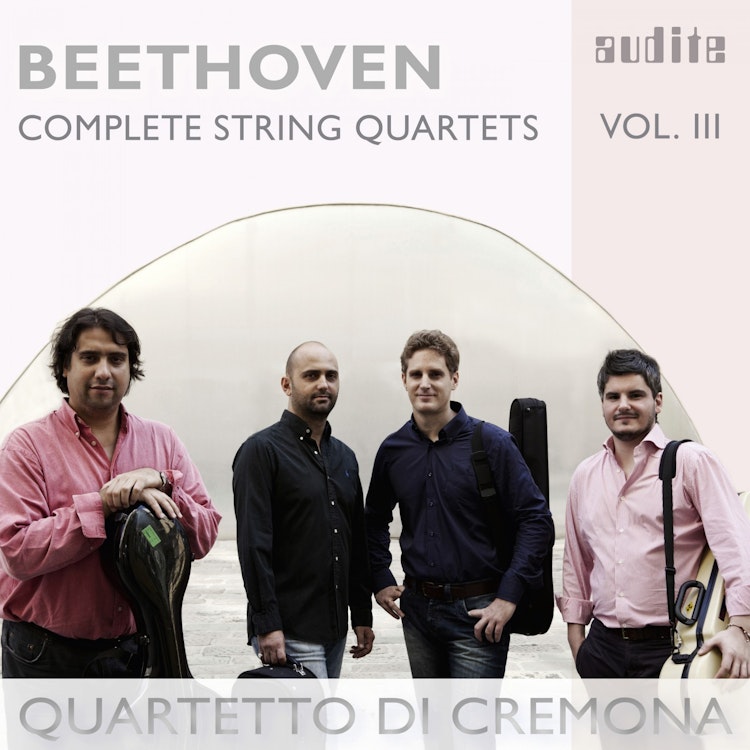
The Quartetto di Cremona combines Italian and German-Austrian influences, having studied with Piero Farulli of the Quartetto Italiano and Hatto Beyerle of the Alban Berg Quartet.
Compositional Technique
The 'Great Fugue' is unique in the string quartet repertoire for its attempt to compress Baroque fugal technique and Classical-Romantic sonata form into one enormous movement.
Critical Reception
The 'Great Fugue' was initially met with bewilderment, with one reviewer describing it as "unfathomable, like Chinese."
Composition History
Beethoven reluctantly composed a new finale for his Quartet Op. 130 and published the 'Great Fugue' separately as Op. 133 at the instigation of his Viennese publisher, Artaria.
You might also enjoy...
Beethoven: String Quartets
Beethoven: Complete Quartets
Beethoven Around the World: Nairobi, String Quartets Nos 4, 5 & 16
Beethoven: Complete String Quartets, Vol. 1
Beethoven Around the World: São Paulo, String Quartets Nos 6 & 12
Spohr: String Quartets Vol. 13
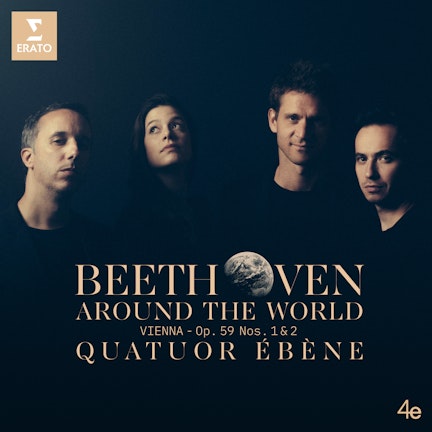
Beethoven Around the World: Vienna, Op. 59 Nos 1 & 2
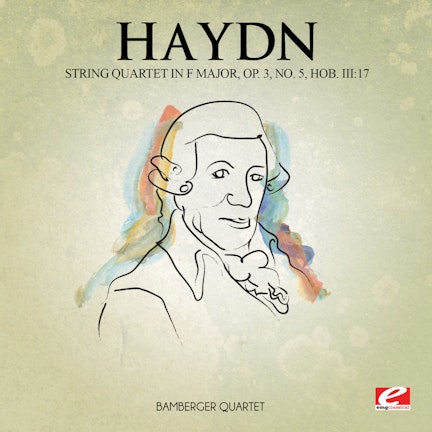
Haydn: String Quartet in F Major, Op. 3, No. 5, Hob. III: 17 (Digitally Remastered)
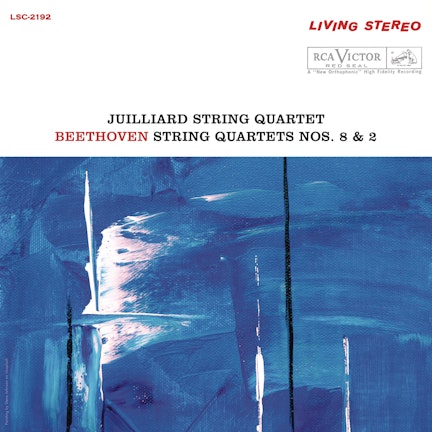
Beethoven: String Quartet No. 8 in E Minor, Op. 59 No. 2 "Rasumovsky" & String Quartet No. 2 in G Major, Op. 18 No. 2
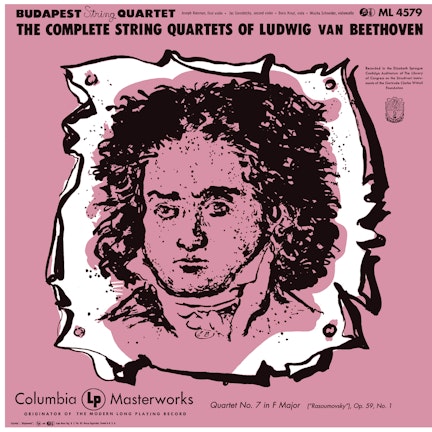
Beethoven: String Quartet No. 7 in F Major, Op. 59, No. 1 "Rasoumovsky"
Beethoven: String Quartet No. 11 in F Minor, Op. 95 "Serioso" & String Quartet No. 16 in F Major, Op. 135
Beethoven: String Quartet No. 8 in E Minor "Razumovsky" (Live)