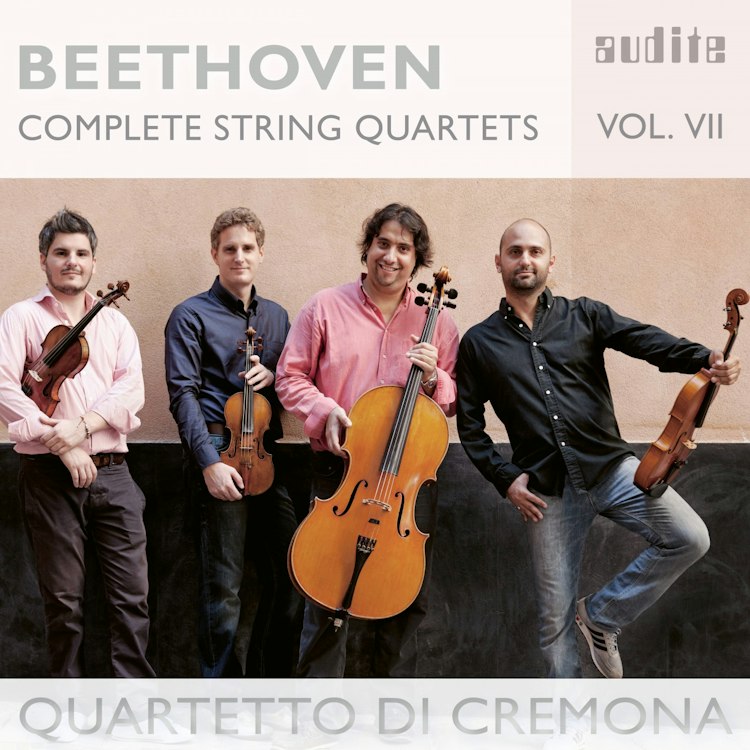
The Quartetto di Cremona combines 'boisterous enthusiasm with a distinct sense for musical architecture', fusing structure and expression in their performances.
Critical Reception
Despite its startling beginning, Beethoven's C major Quartet, Op. 59 No. 3, was considered the most comprehensible of the three 'Razumovsky' Quartets by his contemporaries.
Instruments
The instruments used for this recording include a Nicola Amati violin from 1640, a Paolo Antonio Testore violin from 1750, a Gioacchino Torazzi viola from ca. 1680-1720, and a Dom Nicola Amati cello from 1712.
Performer Biography
The Quartetto di Cremona, the performers on this album, trained with both Piero Farulli of the Quartetto Italiano and Hatto Beyerle of the Alban Berg Quartet, combining Italian and German-Austrian influences.
Composer's Artistic Vision
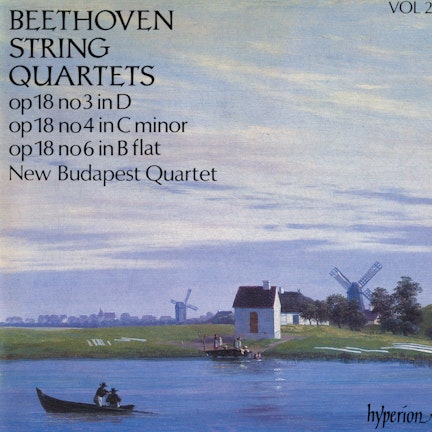
Beethoven famously stated, regarding his Op. 18 quartets, 'for it is only now that I know how to write quartets…', indicating his growth in the genre.
Composer Biography
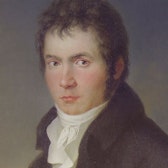
Beethoven initially avoided writing string quartets, focusing instead on piano trios, piano sonatas, and chamber music for wind instruments.
Composition History
Beethoven's Op. 18 Quartets were commissioned by Prince Lobkowitz, who also commissioned Haydn, perhaps to juxtapose the 'inventor' of the modern string quartet with his talented student.