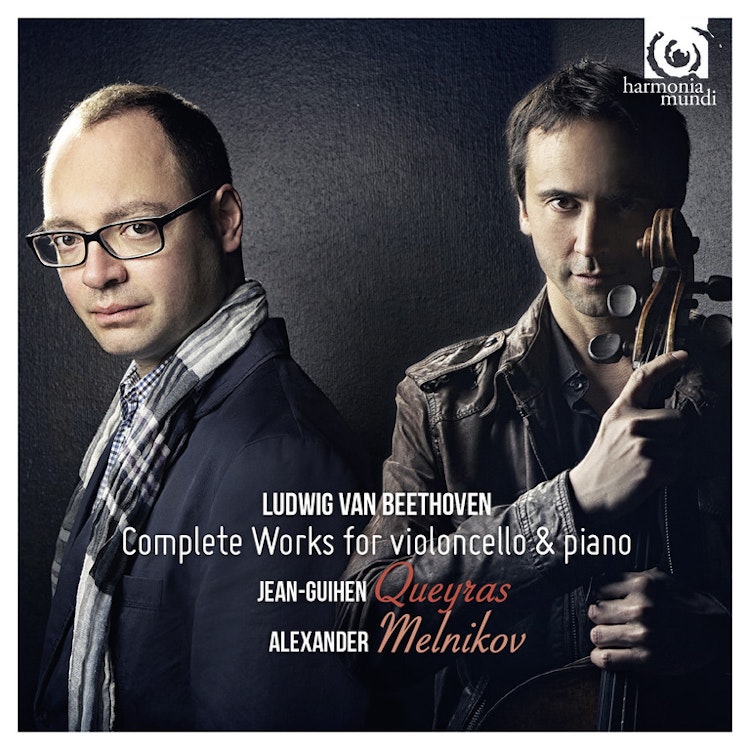
Beethoven: Complete Works for Violoncello and Piano
9/22/2014, 15 Tracks, 2:18:42
Featuring
Jean-Guihen Queyras
Alexander Melnikov
Ludwig van Beethoven
Did you know?
1/7
Composition History
Beethoven's Sonata in A major, Op. 69, was composed in 1808, concurrently with his Fifth and Sixth Symphonies, and was dedicated to his close friend Baron Ignaz von Gleichenstein.
Composition History
Beethoven composed his two Sonatas for piano and cello, Op. 5, in Berlin during an extensive concert tour in 1796, performing them for King Frederick William II.
Compositional Technique
The finale of Beethoven's Sonata Op. 102 No. 2 is a full-blown four-part fugue, marking the beginning of his late-period preoccupation with counterpoint and anticipating works like the 'Hammerklavier' Sonata and Grosse Fuge.
Historical Context
King Frederick William II of Prussia, to whom Beethoven dedicated his Op. 5 sonatas, was a cello-playing monarch who commissioned works from Haydn and Mozart.
Compositional Technique
Beethoven's Op. 5 Sonatas for cello and piano were groundbreaking, featuring a fully developed piano part combined with an independent, obbligato cello part, a format for which there was no precedent in the 1790s.
Compositional Technique
The Op. 5 Sonatas are unusual in form, each consisting of only two movements—an extended allegro in sonata form followed by a rondo—but prefaced by substantial adagio introductions.
Critical Reception
Beethoven's Sonatas Op. 102 were initially met with bewilderment by critics, who described their style as 'unaccustomed and strange' due to their depth, free form, and fantasy.
You might also enjoy...
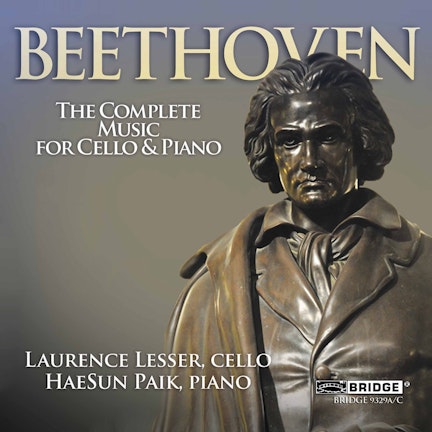
Beethoven: The Complete Music for Cello & Piano
Beethoven: The Sonatas for Piano and Cello
Beethoven: The Complete Cello Sonatas
Beethoven: Œuvres pour violoncelle et piano
Beethoven: Cello Sonatas
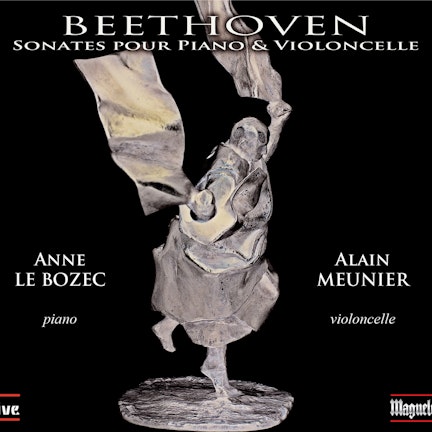
Beethoven: Sonates pour piano & violoncelle
Beethoven: Complete Works for Cello & Piano
Beethoven: Complete Music for Cello and Piano
Beethoven, L. Van: Cello Sonatas Nos. 1-5 / 12 Variations / 7 Variations (The Complete Works for Cello and Piano)