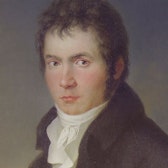
Beethoven's voice-leading, where each instrument plays a clear and equal role, reflects his democratic sympathies and belief in equality and freedom.
Interpretation
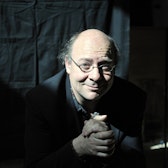
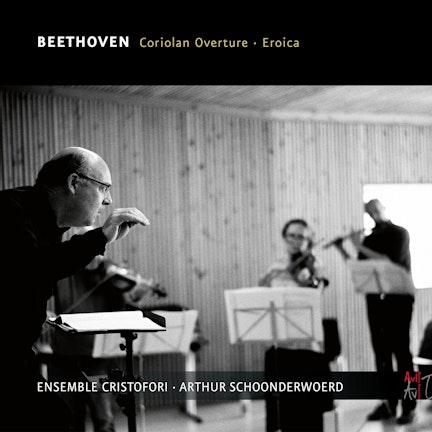
Arthur Schoonderwoerd's interpretation concept for Classical orchestra music uses an unusually small orchestra, with the string section barely larger than a string quartet.
Composition History
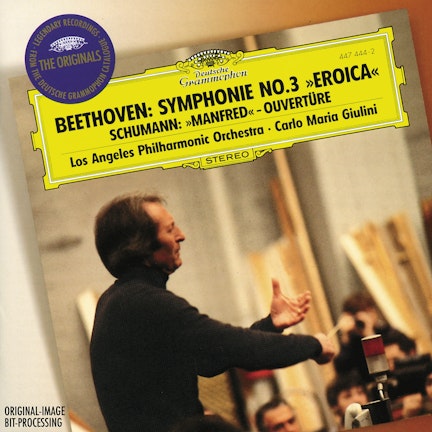
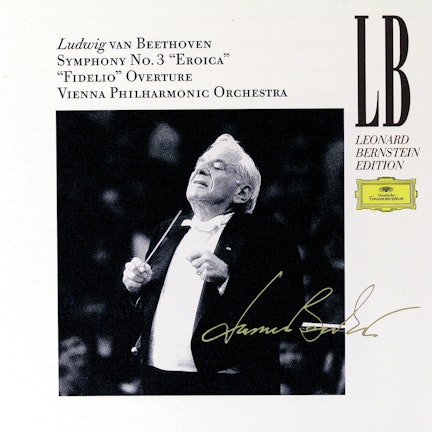
Beethoven initially intended to dedicate the Eroica Symphony to Napoleon but, in a fit of rage after Napoleon crowned himself Emperor, he re-dedicated it 'to an unknown hero'.
Performer Biography
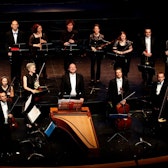
Ensemble Cristofori, founded by Arthur Schoonderwoerd in 1995, performs on period instruments and explores repertoire from the 18th to the 21st century.
Composition History
Beethoven's Coriolan Overture is based on the tragedy Coriolan by Austrian playwright Heinrich Joseph von Collin, a friend of the composer.
Historical Context
The Eroica Symphony was premiered in Prince Lobkowitz's Viennese palace, a private hall of about 115 square meters, typically accommodating only twenty-four musicians.
Instruments
In Beethoven's music, the kettledrum (timpani), originally limited to rhythm in military music, gains autonomy and becomes a melodic and bass instrument.