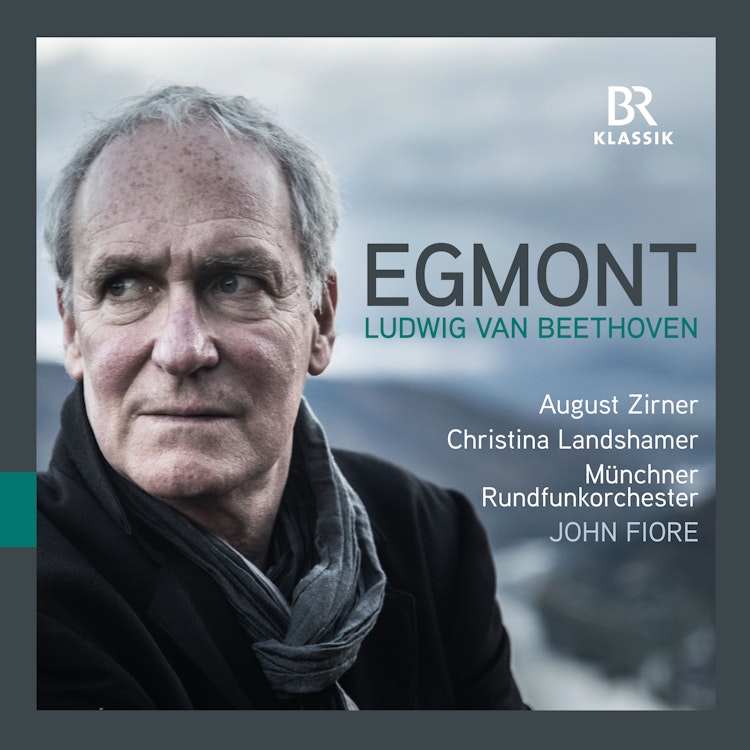
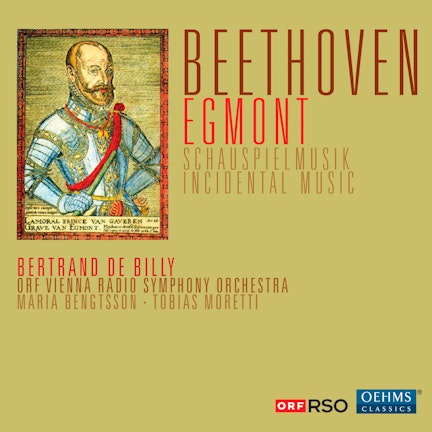
Unlike typical incidental music, Beethoven's four entr'actes in 'Egmont' are integral parts of the drama, designed to keep the audience engaged with the action.
Historical Context
Beethoven composed his incidental music for Goethe's play 'Egmont' during the French occupation of Vienna in 1809, a time of widespread resistance against foreign rule.
Performer Biography
Christina Landshamer, the soprano on this recording, has performed with major orchestras worldwide and is a professor at the Staatliche Hochschule für Musik Trossingen.
Composer's Artistic Vision
Beethoven claimed he wrote the incidental music for 'Egmont' "purely out of love for the poet" Goethe and refused payment for it.
Critical Reception
Goethe, the author of 'Egmont', praised Beethoven's music for the dream scene, saying Beethoven "expressed my intentions with a remarkable genius."
Performer Biography
John Fiore, the conductor, began his professional career at 14 as a pianist for the annual Wagner Ring Cycle at the Seattle Opera.
Compositional Technique
Beethoven's incidental music for 'Egmont' goes beyond mere illustration, offering an interpretation of the drama and adding an extra layer of meaning.
You might also enjoy...
Pacius: Princess of Cyprus (The) - Incidental Music To the Play by Zacharias Topelius
Tchaikovsky: The Nutcracker, Op. 71, TH 14 (Excerpts Arr. for Brass Septet & Percussion)
Le Martyre de Saint-Sébastien
Orff: Ein Sommernachtstraum
The Soldier's Tale (Narrated by Roger Waters)
Cyrano de Bergerac: L'autre monde, ou les estats & empires de la Lune