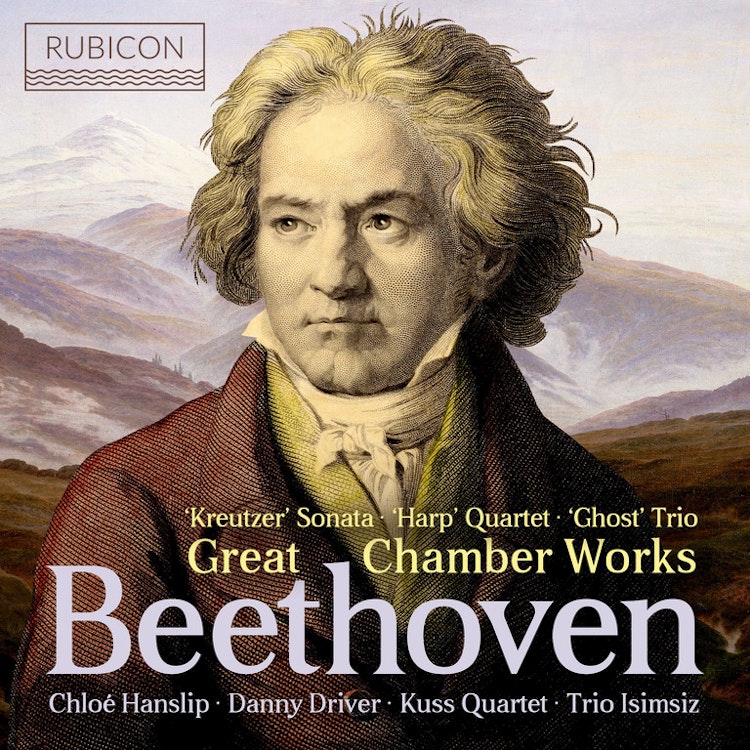
Beethoven initially dedicated the 'Kreutzer' Sonata to George Polgreen Bridgetower, a violinist born to a European mother and West Indian father, but changed the dedication after an argument.
Composition History
Beethoven hastily completed the 'Kreutzer' Sonata in May 1803 for a concert with violinist George Polgreen Bridgetower, who had to read the second movement from Beethoven's piano score.
Instruments
The Kuss Quartet performs on this recording using four 'Paganini' Stradivari instruments, including two violins, a viola, and a cello, generously loaned by the Nippon Music Foundation.
Composition History
The 'Ghost' Piano Trio's slow movement reuses material from Beethoven's sketches for an opera based on Shakespeare's Macbeth, a project that was never completed.
Compositional Technique
The slow movement of the 'Ghost' Piano Trio is described as one of Beethoven's most haunting and atmospheric, full of sinister, subterranean murmurs from the piano, casting a 'Poe-like chill'.
Compositional Technique
The 'Kreutzer' Sonata features an equal treatment of violin and piano, with the original edition prefaced 'scritta in uno stilo molto concertante, quasi come d'un concerto', effectively declaring it a concerto for two instruments.
Compositional Technique
Beethoven's String Quartet No.10 is nicknamed the 'Harp' Quartet due to its extensive pizzicato passages.
You might also enjoy...
Beethoven Edition, Vol. 3
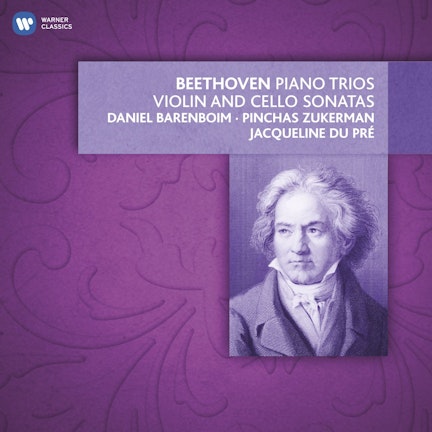
Beethoven: Piano Trios, Violin & Cello Sonatas
Beethoven: Chamber Works
DG 120 – Chamber Music 2 (1984-2007)
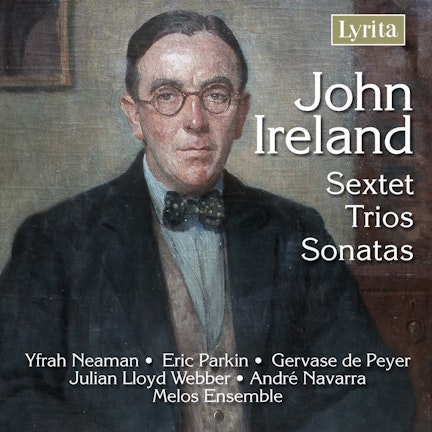
Ireland: Sextet, Trios, Sonatas for Clarinet, Violin and Cello)
Martha Argerich - Chamber
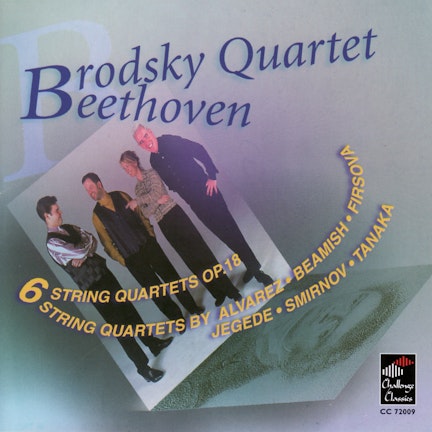
Beethoven: String Quartets Op. 18
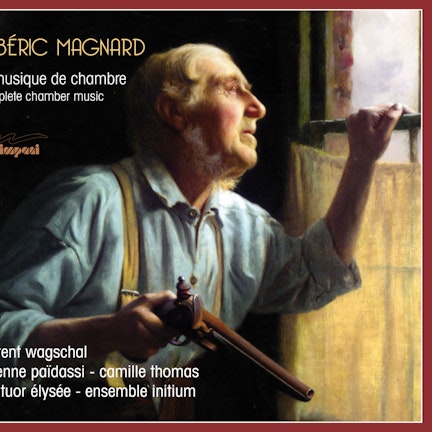
Magnard: Complete Chamber Music
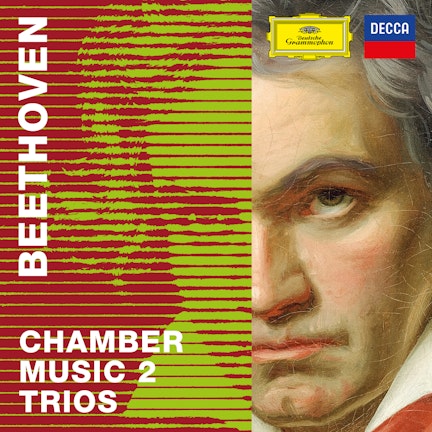
Beethoven 2020 – Chamber Music 2: Trios
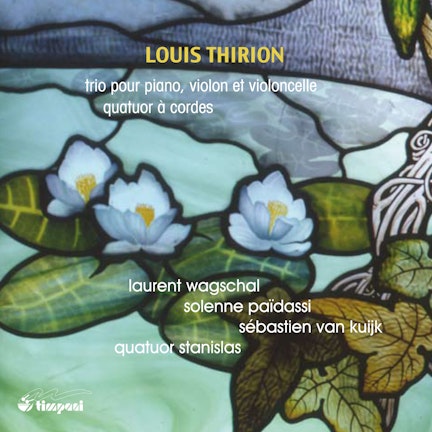
Thirion: Chamber Works
Sibelius, J.: Sibelius Edition, Vol. 2 - Chamber Music I
Schumann: Complete Piano Trios, Complete String Quartets, Fantasiestücke, Op. 88