The famous 'Für Elise' (WoO 59) is a bagatelle composed between 1808 and 1810, possibly dedicated to Therese Malfatti, whom Beethoven hoped to marry, though the dedication to 'Elise' remains a mystery.
Composer Biography
Beethoven, described as the 'first free man in the history of music', managed to attract noble patrons despite his rebellious character and disdain for polite society.
Album & Artwork
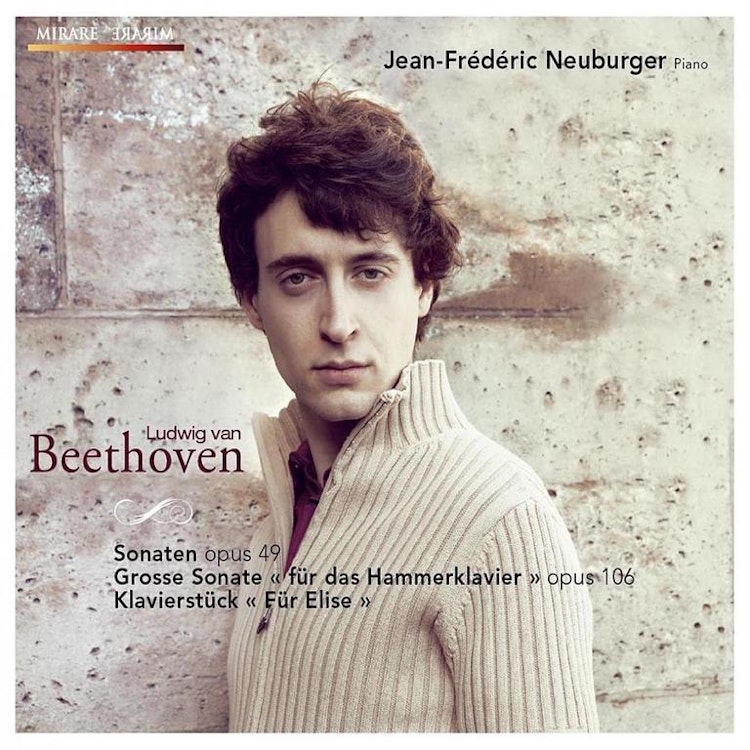
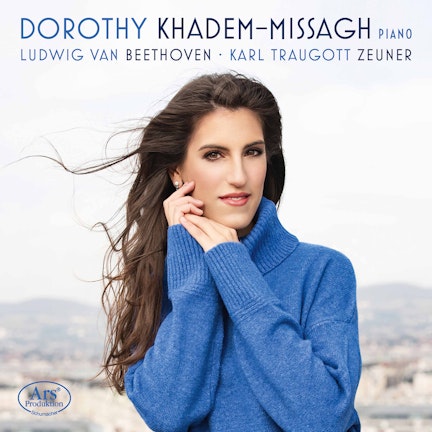
This album combines Beethoven's two 'easy' Sonatas Op. 49 and the famous 'Für Elise' with the monumental 'Hammerklavier' Sonata Op. 106.
Composition History
The 'Hammerklavier' Sonata Op. 106 was composed by Beethoven between 1817 and 1819, during a painful period marked by family issues and his incurable deafness.
Compositional Technique
The 'Hammerklavier' Sonata Op. 106 is considered the longest, most difficult, and most avant-garde of Beethoven's sonatas, initiating a series of 'revolutionary' works with a unique musical syntax.
Composition History
Beethoven's Sonatas Op. 49, despite their numbering, were written between 1796 and 1798, likely for his pupils, after he completed his training with Joseph Haydn, Johann Georg Albrechtsberger, and Antonio Salieri.
Recording & Production
This recording was made at La Ferme de Villefavard, a renovated granary in the Limousin countryside, known for its exceptional acoustics designed by international acoustician Albert Yaying Xu.