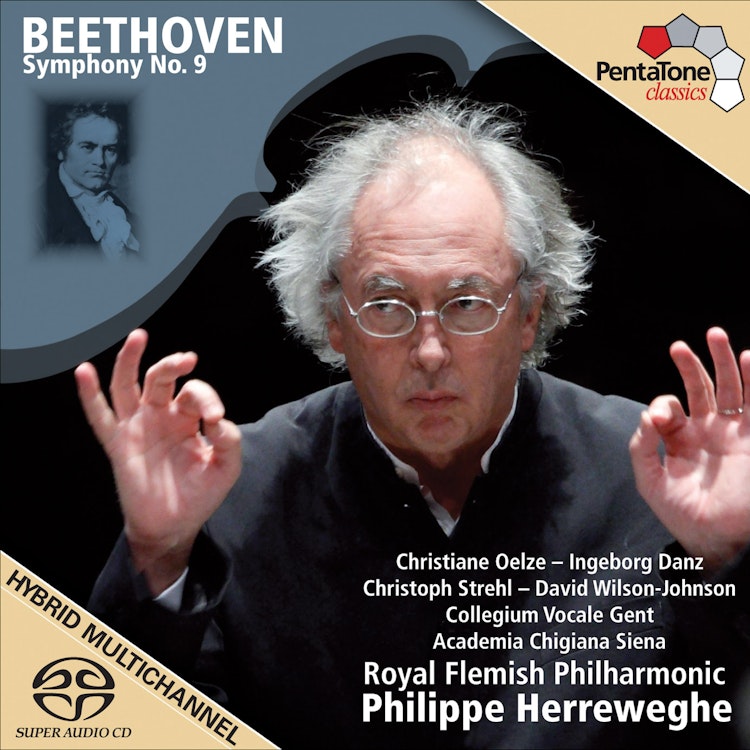
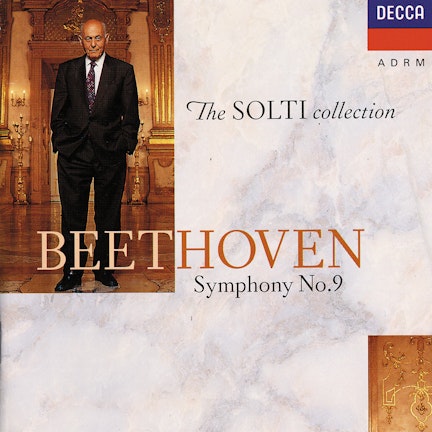
Philippe Herreweghe, the conductor, founded Collegium Vocale Gent and La Chapelle Royale, establishing himself as a specialist in Renaissance and Baroque music before focusing on Romantic repertoire.
Notable Performances
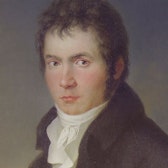
At the 1824 premiere of Beethoven's Ninth Symphony, the deaf composer appeared to conduct, but the orchestra actually followed Ignaz Umlauf, who conducted from the wings.
Cultural Impact
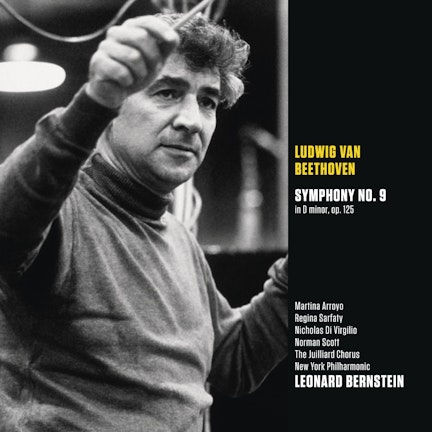
The lasting impact of Beethoven's Ninth Symphony was confirmed by Leonard Bernstein's politicized performance on December 25, 1989, after the fall of the Berlin Wall.
Compositional Technique
The first three movements of Beethoven's Ninth Symphony serve as an 'aesthetic but disorienting backdrop' to the universal joy of the finale, which features a driving force that builds to the end.
Historical Context
Beethoven revisited Schiller's 'Ode to Joy' around 1820, a period of political stagnation and repression in Europe under Chancellor Clemens von Metternich, finding comfort in its hopeful message.
Composer's Artistic Vision
Beethoven's controversial decision to include Friedrich Schiller's 'Ode to Joy' text in his Ninth Symphony transformed the concert hall into a socially committed platform, challenging the idea of music as apolitical.
Composition History
Beethoven's Ninth Symphony was his first symphonic work in ten years, following the premiere of his Eighth Symphony in 1814.
You might also enjoy...
Beethoven: Symphony No. 9 in D Minor, Op. 125 "Choral" (Live)
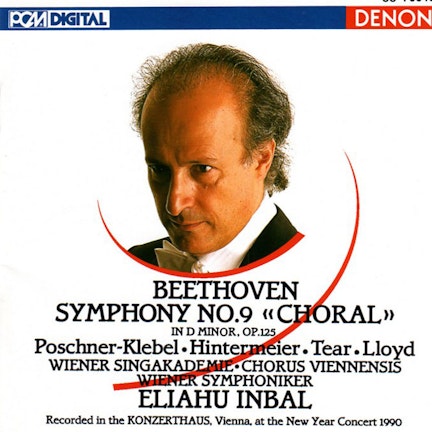
Beethoven: Symphony No.9
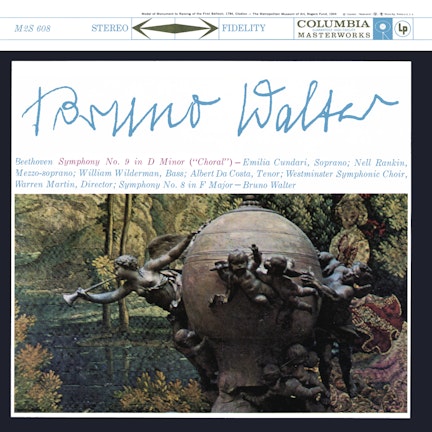
Beethoven: Symphony No. 9 in D minor, op. 125
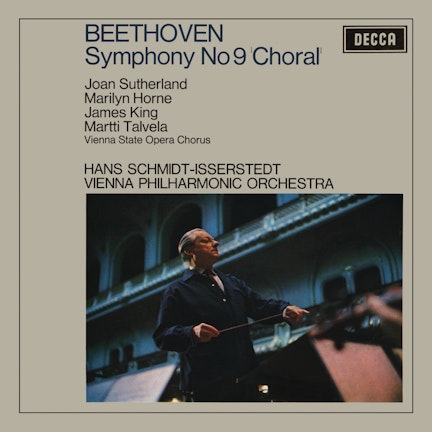
Beethoven: Symphony No. 9 "Choral"
Beethoven: Symphony No. 9 'Choral'
Beethoven: Symphony No. 9
Beethoven, Symphony No. 9 in D Minor op. 125, "Choral"