In An die ferne Geliebte, Beethoven links the six songs without interruption and uses subtle motivic analogies, concluding with a literal reprise of the beginning to create unity.
Compositional Technique
The tonal plan of An die ferne Geliebte is symmetrically ordered, with the outer songs in E flat major, the middle two in the subdominant A flat major, and the remaining two in the mediant keys of G major and C major.
Composition History
Beethoven's song cycle An die ferne Geliebte (To the Distant Beloved) was the first in music history to unite several songs into a cohesive cycle, predating Schubert's Die schöne Müllerin by seven years.
Compositional Technique
Beethoven's songs, particularly later works, prepared the ground for a new relationship between text and music and a deeply subjective understanding of poetry, influencing later composers like Schubert, Schumann, and Brahms.
Composer's Artistic Vision
Beethoven's songs reveal his relentless urge to question existing norms, explore alternatives, and redefine aesthetic benchmarks, even in the more marginal areas of his work.
Compositional Technique
Beethoven's Resignation features a vocal line in free recitative, constantly faltering, which he intended to be performed 'in the manner of speech,' with silences that reveal 'the abyss of muteness.'
Composer Biography
Beethoven's song Resignation, composed in 1817, reflects his desolate state of mind due to the severe deterioration of his hearing, which led to his marginalization from Viennese social life.
You might also enjoy...
Haydn : English Canzonettas
Beethoven: An die ferne Geliebte
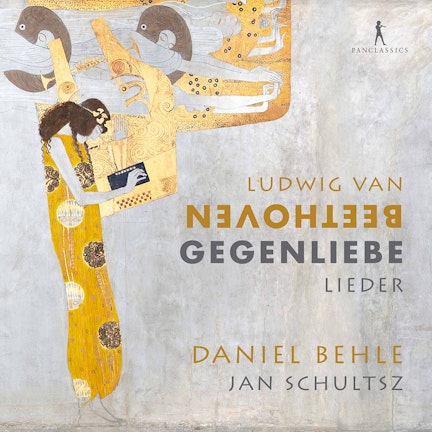
Beethoven: Gegenliebe Lieder
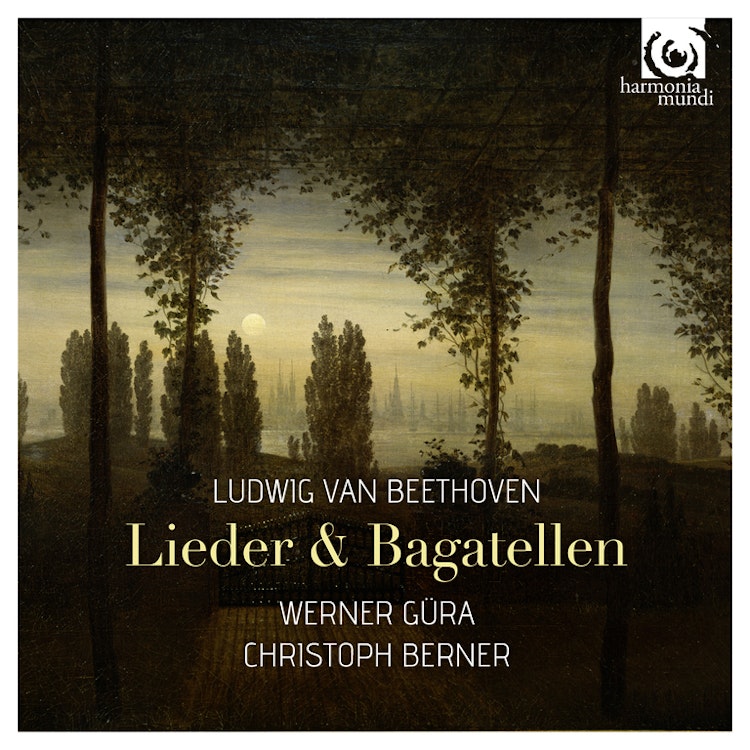
Beethoven: Lieder
Haydn / Mozart: Songs and Canzonettas
Beethoven: An die ferne Geliebte; Lieder
Beethoven: An die ferne Geliebte
Beethoven, L. Van: Lieder, Vol. 2
Haydn : English Canzonettas
Beethoven: An die ferne Geliebte / Haydn: Lieder / Mozart: Lieder