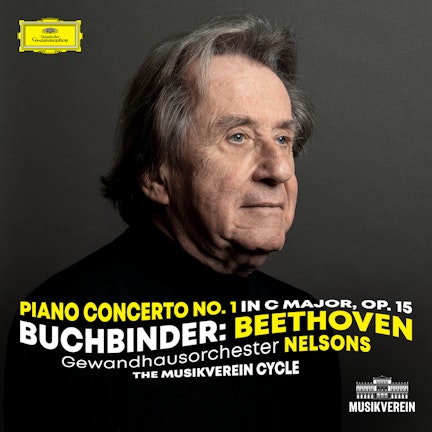
In his C major concerto, Op. 15, Beethoven intentionally used a "sour note" (F natural instead of F sharp) to highlight the limitations of pianos at the time, turning these limitations into expressive tools.
Composer's Artistic Vision
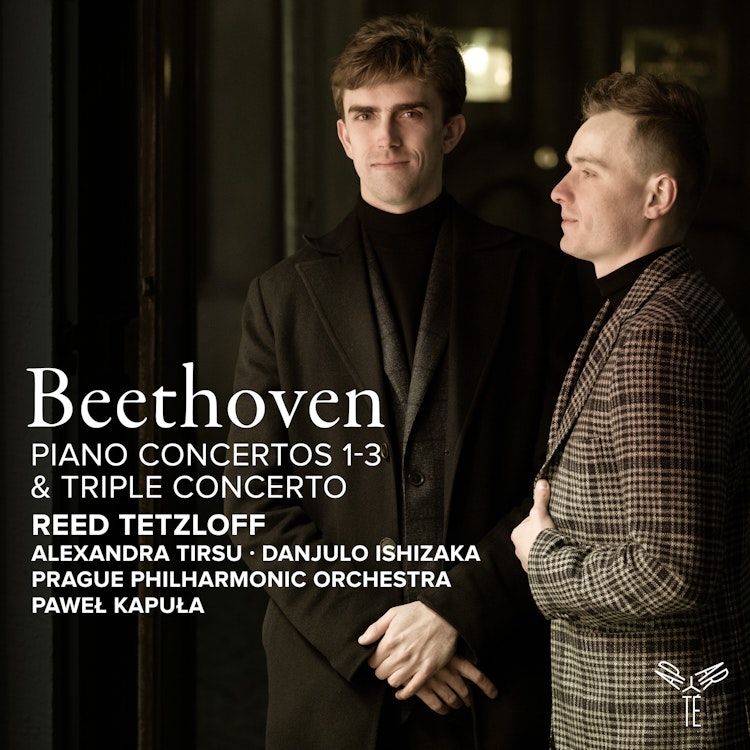
Beethoven's first three piano concertos show his artistic confrontation with Mozart, moving from virtuoso exuberance to the drama of the Third Concerto.
Compositional Technique
Beethoven's solo piano parts were often left open to improvisation, with one performer, Ignaz von Seyfried, describing them as "totally blank pages" with only "a few Egyptian hieroglyphs."
Composition History
The piano part of the Triple Concerto, Op. 56, is relatively modest in difficulty, likely because it was intended for its dedicatee, the young Archduke Rudolph, to perform.
Compositional Technique
The Triple Concerto, Op. 56, features an unprecedented instrumentation for piano, violin, and cello, and departs from Beethoven's earlier concerto models by having the second movement serve as a brief introduction to the third.
Instruments
Beethoven actively pushed piano development by demanding wider ranges and new effects, often composing pieces that could only be played on the latest instruments.
Composer Biography
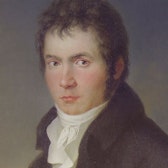
At 22, Beethoven moved to Vienna in 1792, a year after Mozart's death, with the intention to "receive Mozart's spirit from Haydn's hands."