The first movement of Beethoven's Piano Concerto No. 2 features surprising key shifts, including a second theme that moves to Db major and then to Gb major in the recapitulation, a rare and bold tonality at the time.
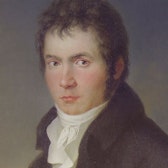
Composer Biography
Beethoven wrote his first four piano concertos for himself to perform, but his career as a virtuoso ended by 1807 due to severe hearing impairment.
Performer Biography
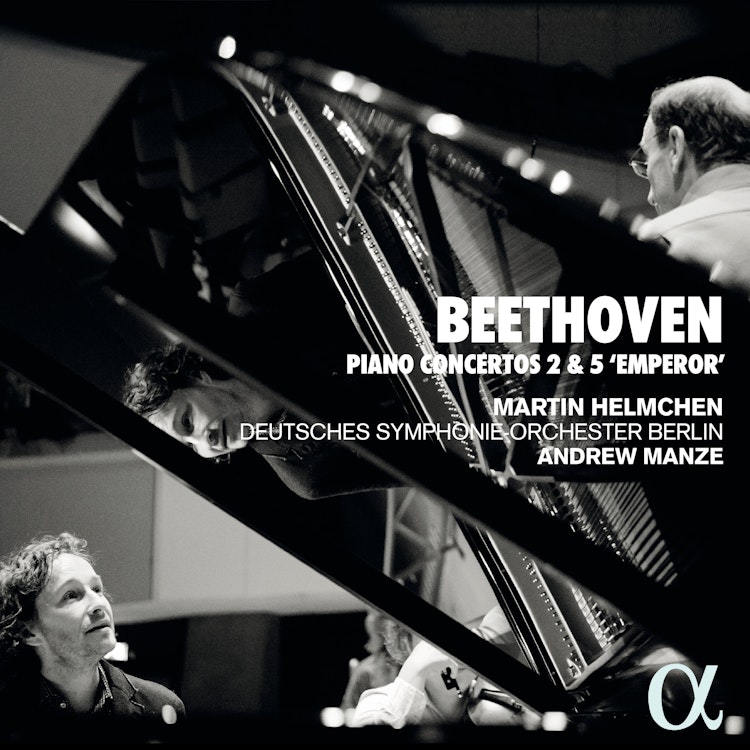
Martin Helmchen, the pianist on this recording, is an exclusive artist for Alpha Classics and has released recordings of works by Beethoven, Messiaen, Schubert, and Brahms.
Composition History
Beethoven's Piano Concerto No. 2 was started around 1790 in Bonn and underwent years of revisions before its premiere in Vienna in March 1795.
Composer's Artistic Vision
Beethoven is described as an "evolutionary" artist who mastered existing musical norms before making his own statement, rather than a pure "revolutionary."
Compositional Technique
The 'Emperor' Concerto radically departs from the Mozartian model by beginning with the soloist in a cadenza-like manner, rather than a traditional orchestral tutti.
Composition History
Beethoven's Piano Concerto No. 5, known as the 'Emperor' Concerto, was dedicated to his student and patron, Archduke Rudolf, who was the brother of the Emperor.
You might also enjoy...
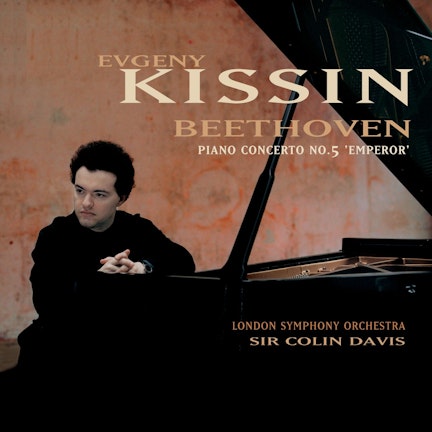
Beethoven: Piano Concerto No. 5, Op. 73 "Emperor"
Beethoven: Piano Concerto No.5
Beethoven: Piano Concertos Nos. 1 & 2
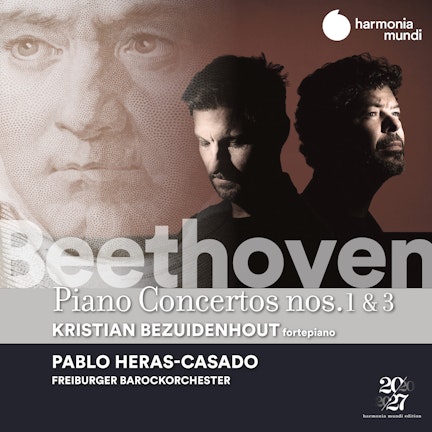
Beethoven: Piano Concertos Nos. 1 & 3
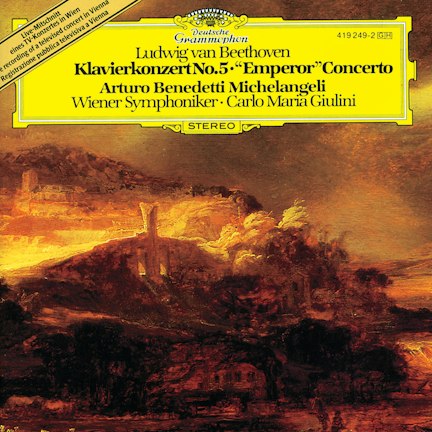
Beethoven: Piano Concerto No.5
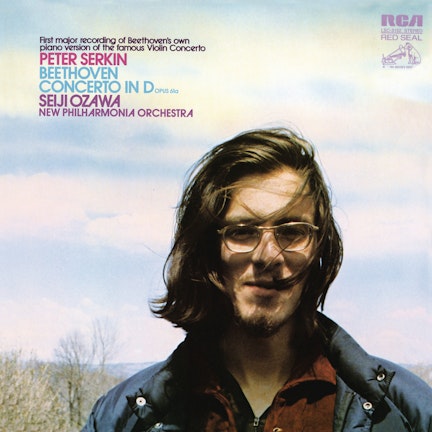
Beethoven: Piano Concerto in D Major, Op. 61a
Beethoven: Concerto pour piano et orchestre No 1 & 2