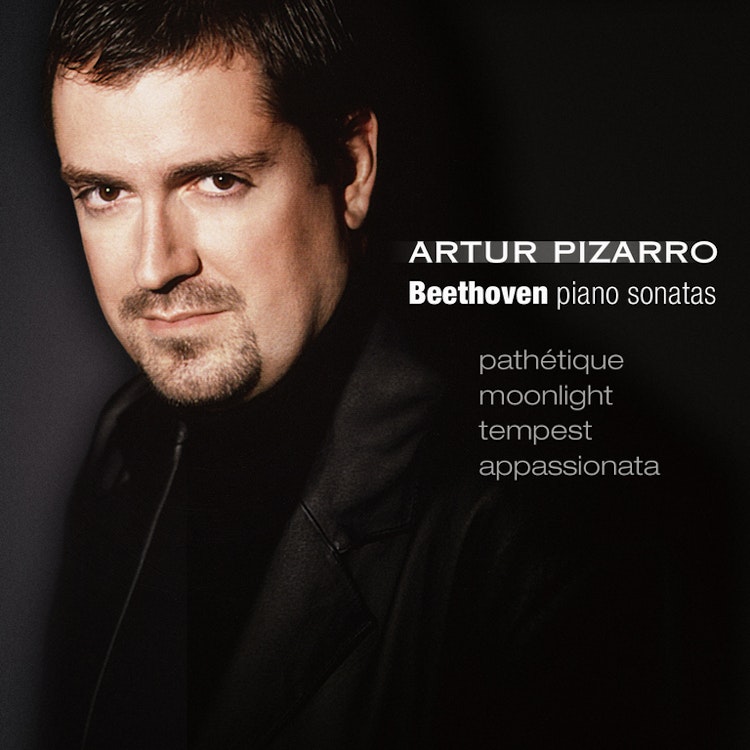
Carl Czerny, a composer and pianist, declared Beethoven's Op. 57 sonata to be 'much too magnificent' for its 'Appassionata' title.
Composition History
Unlike the other sonatas on this recording, the Grande Sonate Pathétique was titled by Beethoven himself.
Instruments
The 'Appassionata' sonata could only have been conceived for a state-of-the-art instrument; in 1803, Beethoven acquired an Erard grand piano, which offered an extended treble range and increased robustness.
Cultural Impact
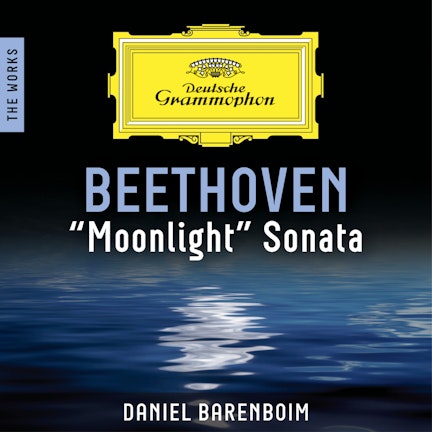
The 'Moonlight' title for Sonata No. 14 derives from a striking image by the poet and critic Ludwig Rellstab, describing 'a boat visiting the wild places on Lake Lucerne by moonlight'.
Cultural Impact
The memorable nicknames of Beethoven's sonatas, like those on this album, helped establish them in the public imagination, where they have remained since his day.
Composer's Artistic Vision
Beethoven indirectly gave the 'Tempest' tag to his D minor sonata, Op. 31 No. 2, by advising Anton Schindler, a member of his circle, to 'just read Shakespeare's Tempest' when asked for its 'key'.
Compositional Technique
The 'Appassionata' sonata's opening movement is symphonic in scale, challenging the power of an orchestra with its sheer volume, a first for a solo piano work.
You might also enjoy...
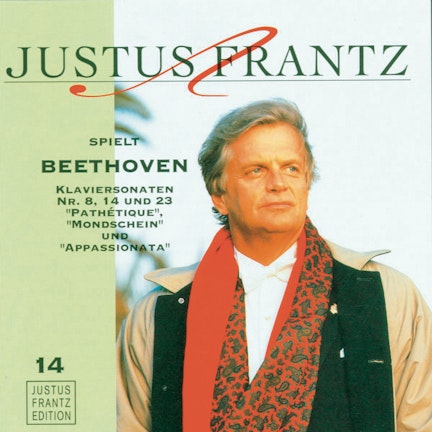
Justus Frantz spielt Beethoven: Klaviersonaten No. 8, 14 und 23
The Last Three Sonatas
Beethoven: Piano Sonatas, Vol. 1
Beethoven: Piano Sonatas Nos 27, 28 & 32
Beethoven: Piano Sonatas Nos. 2, 3 & 8
Beethoven: Piano Sonatas Nos. 8, 14 & 17
Beethoven: Piano Sonatas
Beethoven: Piano Sonatas
Beethoven: The Late Sonatas
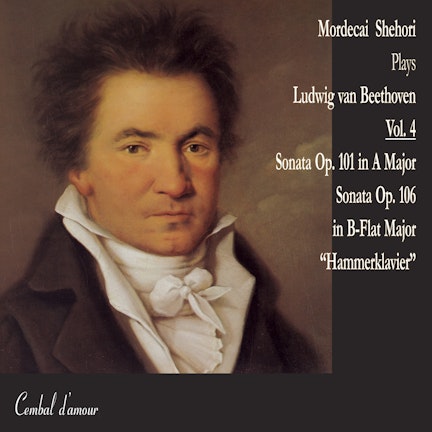
Mordecai Shehori Plays Ludwig van Beethoven, Vol. 4
Beethoven: Piano Sonata No. 30 in E Major, Op. 109: III. Andante molto cantabile ed espressivo (Edit)