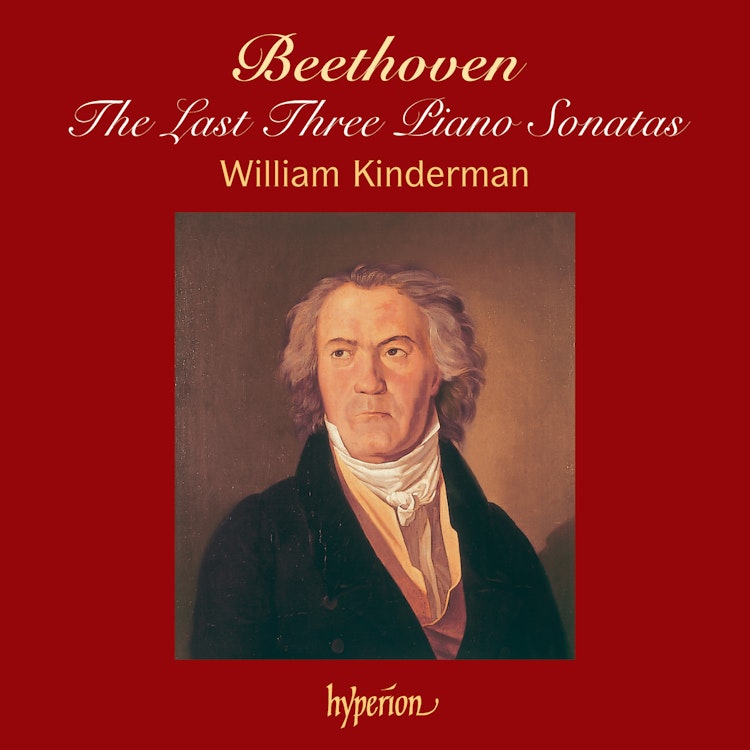
This recording was made in the Chamber Music Hall of the Beethoven-Haus in Bonn, with sessions taking place in July 1997 and December 1999.
Cultural Impact
Thomas Mann, in consultation with Theodor W. Adorno, dedicated a chapter of his novel "Doktor Faustus" to Beethoven's Op. 111, describing its ending as a "farewell to the art form of the sonata."
Composition History
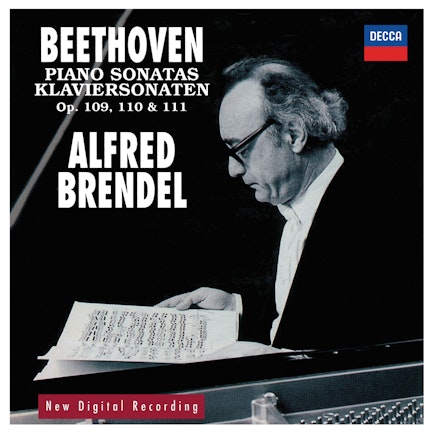
Beethoven composed these last three piano sonatas, Op. 109, 110, and 111, between 1820 and 1822, setting aside his work on the Missa Solemnis to do so.
Composer Biography
At the time of composing these sonatas, Beethoven was completely deaf but at the height of his creative powers, also sketching the Missa Solemnis, 'Diabelli' Variations, and Ninth Symphony.
Compositional Technique
The finale of Op. 109, a set of variations, resembles a sarabande, a dignified Baroque dance type with a stressed second beat in triple meter.
Compositional Technique
The Sonata in A flat, Op. 110, includes allusions to two popular Silesian songs, "Unsa Kätz häd Katzln ghabt" (Our cat has had kittens) and "Ich bin lüderlich, du bist lüderlich" (I'm dissolute, you're dissolute).
Compositional Technique
In the Sonata in E major, Op. 109, Beethoven uses 'parenthetical structures' where musical passages are enclosed within contrasting sections, creating an effect of suspended time.
You might also enjoy...
Ludwig van Beethoven: Piano Sonatas Nos. 23, 30 & 32
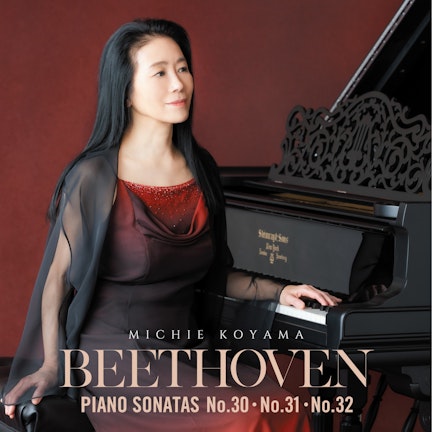
Beethoven: Piano Sonatas Nos. 30, 31 & 32
Beethoven: Piano Sonatas No.30 Op.109, No.31 Op.110 & No.32 Op.111
Beethoven:Piano Sonatas No.30,31,32
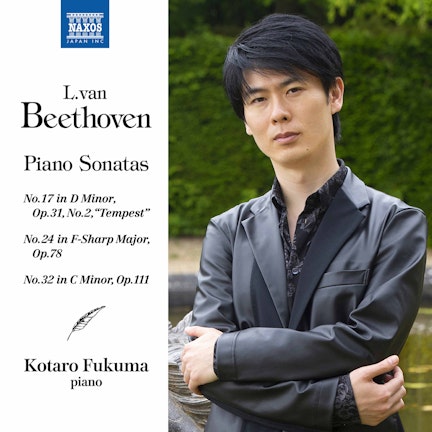
Beethoven: Piano Sonatas
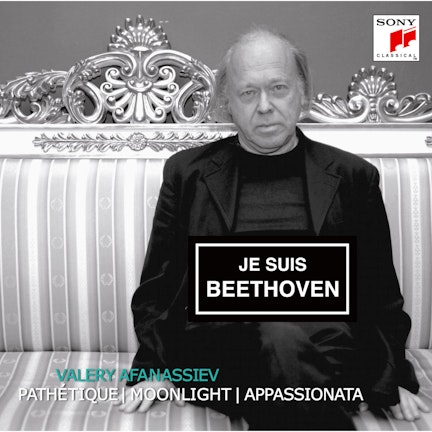
Beethoven: Pathetique | Moonlight | Appassionata
Beethoven: Piano Sonatas Nos. 7, 9 & 14 "Moonlight"