Beethoven's early lessons with Joseph Haydn in Vienna were not very successful, as Haydn was busy and found Beethoven's personality challenging.
Composition History
Beethoven's 'Pathétique' Sonata may have been influenced by Luigi Cherubini's opera Médée, as the score was found in Beethoven's library and similarities between themes have been noted.
Historical Context
The term 'pathétique' comes from the Greek 'pathos', meaning suffering, experience, or emotion, and was understood in an aesthetic sense as the expression of exalted passion.
Album & Artwork
The sonatas on this album are presented in reverse chronological order to create a more satisfying recital experience for the listener.
Performer Biography
Angela Hewitt, the pianist on this recording, has received numerous accolades, including being made an Officer of the Order of Canada and an OBE.
Composition History
Beethoven himself titled the Sonata in C minor, Op 13 as his 'Grande Sonate Pathétique', though he never explicitly stated what he meant by 'Pathétique'.
Interpretation
Pianist Angela Hewitt chooses to repeat the Grave introduction in the first movement of the 'Pathétique' Sonata, believing it makes the movement more satisfying, despite a publisher's later alteration.
You might also enjoy...
Beethoven: Piano Sonatas Nos. 14, 15 and 23
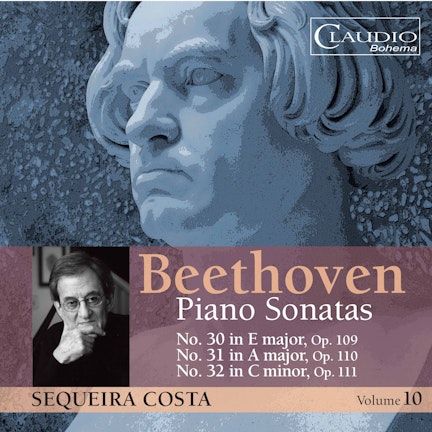
Beethoven: Piano Sonatas Nos.30, 31 & 32
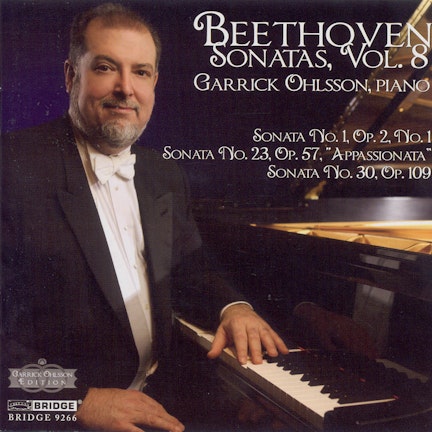
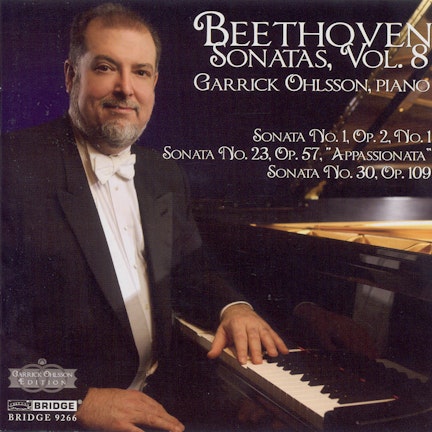
Beethoven: Piano Sonatas, Vol. 8
Beethoven: Piano Sonatas, Vol. 10
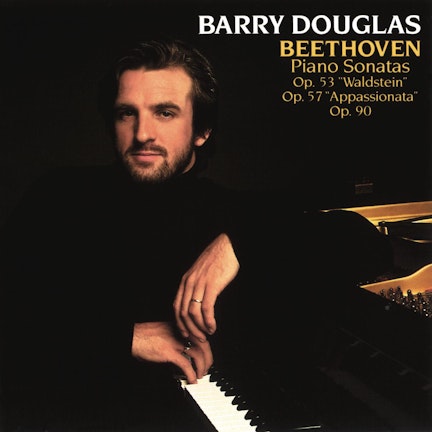
Beethoven: Piano Sonatas Op. 53, 57 & 90
Beethoven Sonatas, Vol. 8
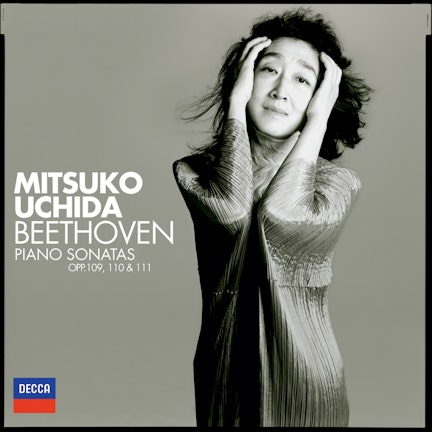
Beethoven: Three Late Piano Sonatas, Op. 109, Op. 110, Op. 111
Beethoven
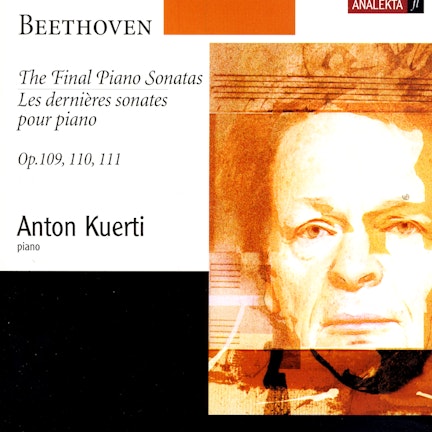
The Final Piano Sonatas, Op.109, 110, 111
Beethoven: Piano Sonatas Nos. 8, 14 & 23
Beethoven: Piano Sonatas Nos. 30-32
Beethoven: Piano Sonatas Nos. 8 "Pathétique", 14 "Moonlight" & 28