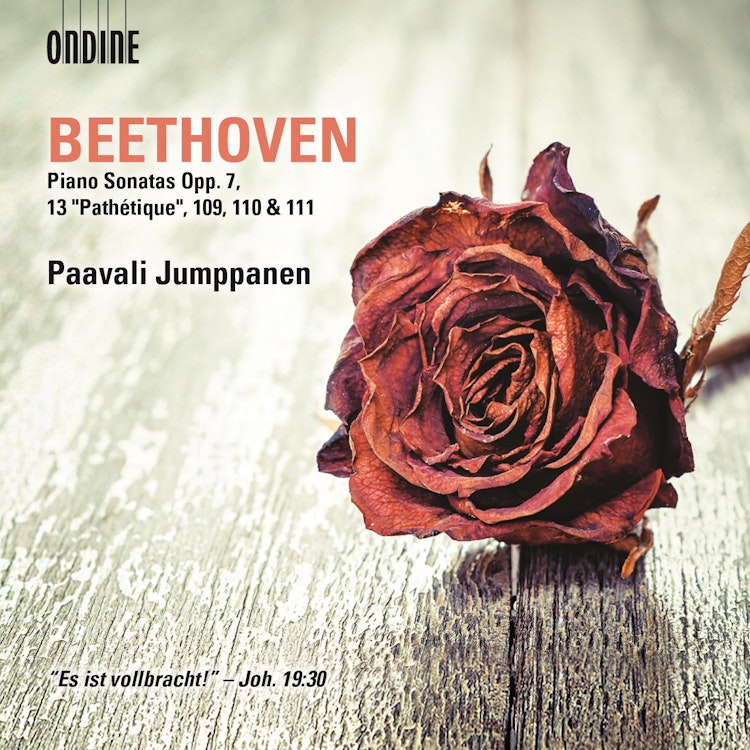
Beethoven: Piano Sonatas, Opp. 7, 13, 109, 110 & 111
11/11/2016, 15 Tracks, 1:58:43
Featuring
Paavali Jumppanen
Ludwig van Beethoven
Did you know?
1/7
Compositional Technique
Beethoven's Sonata Op. 110 contains musical symbolism tracing a path from suffering to forgiveness, including a quote from J.S. Bach's St John Passion.
Composition History
The final three sonatas (Opp. 109, 110, 111) were commissioned by a Berlin publisher, interrupting Beethoven's work on his grand orchestral project, the Missa Solemnis.
Composer's Artistic Vision
In his last sonata, Op. 111, Beethoven transformed the trill from a mere ornament into an apparatus of emotion and mysticism, demonstrating his revolutionary influence on music.
Performer Biography
Paavali Jumppanen, the pianist on this recording, has collaborated with numerous contemporary composers, including Pierre Boulez, William Duckworth, and Henri Dutilleux.
Historical Context
Beethoven's Sonata Op. 7 was composed in 1797, a turbulent time in European history marked by the French Revolution and Napoleon Bonaparte's rise to power.
Composer Biography
During the 1790s, Beethoven worked tirelessly, gaining fame for his keyboard skills and dramatic compositions, while also teaching music to children of his supporters.
Compositional Technique
The Sonata Pathétique, Op. 13, was Beethoven's first profound exploration of the C minor key, a tonality that would become central to many of his celebrated works.
You might also enjoy...
Beethoven: Complete Piano Sonatas, Vol. 9
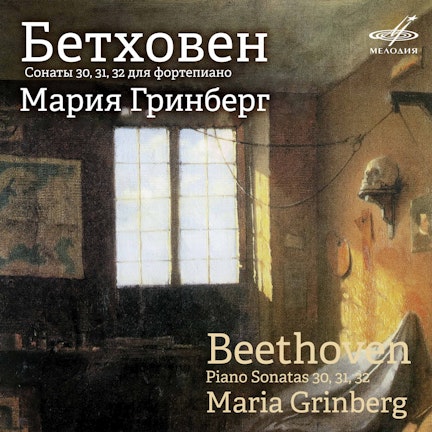
Beethoven: Piano Sonatas Nos.30, 31 & 32
Beethoven – The Last Piano Sonatas
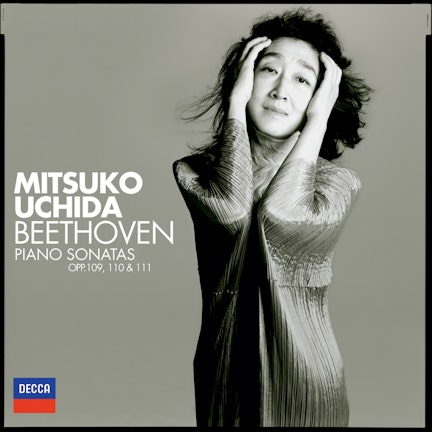
Beethoven: Piano Sonatas, Op. 109-111
Beethoven: Piano Sonatas Nos. 30, 31 & 32
Beethoven: Piano Sonatas Nos. 30-32
Beethoven Piano Sonatas
Beethoven 32, Vol. 9: Piano Sonatas Nos. 30-32
The Koroliov Series, Vol. 16: Beethoven – Sonatas, Opp. 109, 110 & 111