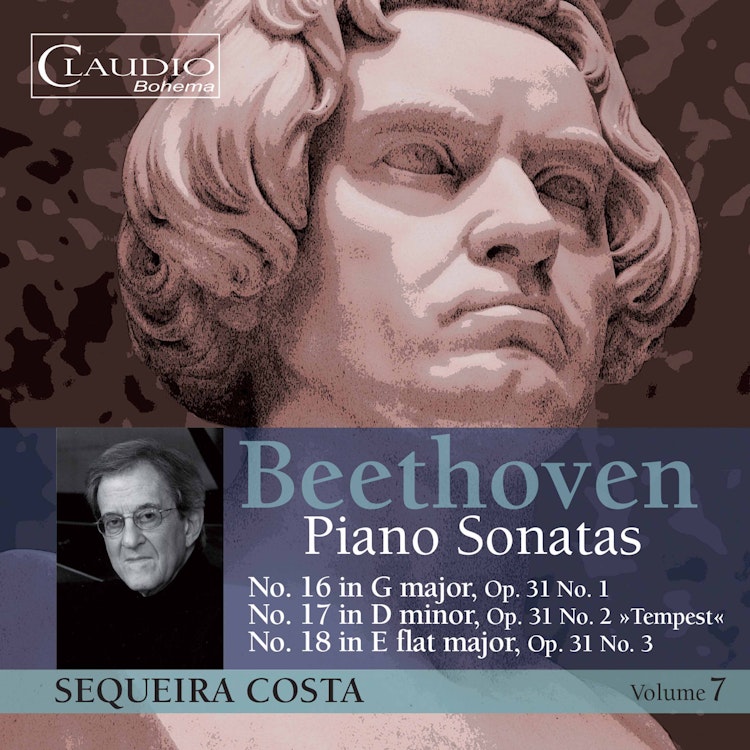
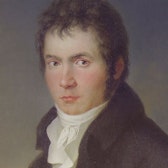
The Sonatas Op. 31, Nos. 1, 2, and 3 were created during a period when Beethoven's hearing loss had reached a critical point.
Critical Reception
The nickname 'The Tempest' for Piano Sonata No. 17, Op. 31, No. 2, supposedly linked to Shakespeare's play, has been largely discounted by musicologists like Donald Francis Tovey.
Composer Biography
Beethoven's deafness, accompanied by tinnitus, became critical by 1802, causing him professional and social difficulties.
Compositional Technique
The Op. 31 sonatas mark a clear departure from the classical style and feature experimental elements that Beethoven later perfected in works like the Waldstein and Appassionata sonatas.
Composer Biography
Beethoven's students, including the famous Carl Czerny, played a significant role in his personal life, with one, Josephine Brunsvik, possibly being the 'Immortal Beloved'.
Composition History
The works of Op. 31 culminated in the famous 'Heiligenstadt Testament' of October 1802, a document expressing Beethoven's despair over his deafness, which was only discovered after his death.
Composer Biography
Beethoven's brother, Carl, acted as his manager, successfully securing higher prices for his works and previously unpublished pieces.