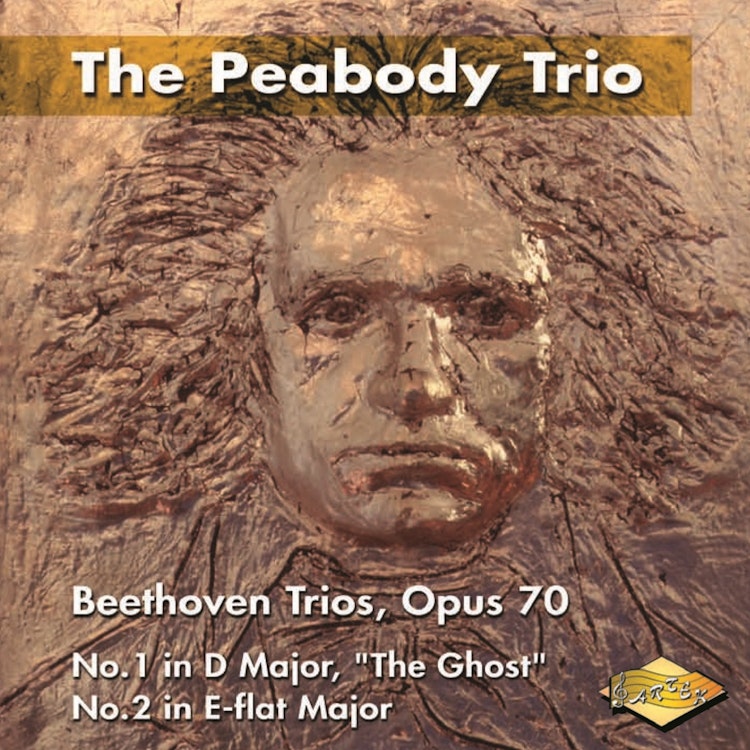
Beethoven: Piano Trios Nos. 5 ("Ghost") and 6, Op. 70
1/1/2000, 7 Tracks, 1:05:44
Featuring
Violaine Melançon
Natasha Brofsky
Seth Knopp
Peabody Trio
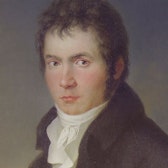
Ludwig van Beethoven
Did you know?
1/7
Compositional Technique
In Beethoven's Op. 70 trios, the three instruments are given roles of equal expressive nuance and technical difficulty for the first time in the genre.
Compositional Technique
Beethoven's opus numbers often contain multiple published works in one genre, allowing him to present a broad range of emotional topics, instrumental techniques, and structural explorations.
Composition History
The second movement of the D major trio, Op. 70, No. 1, known as the 'Ghost' movement, incorporates music from a sketchbook for an opera based on Macbeth.
Composer's Artistic Vision
Beethoven associated the key of D major with outward expression, structural compression, and sharp edges, while E-flat major meant expansiveness, breadth, lyricism, and gentle humor.
Performer Biography
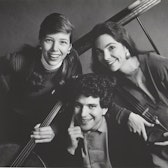
The Peabody Trio, the performers on this recording, won the prestigious Naumburg Chamber Music Award in 1989 and has been the resident faculty ensemble of the Peabody Conservatory since then.
Recording & Production
This recording was made in March 2003 at the American Academy of Arts and Letters in New York City, and features a Hamburg Steinway piano.
Compositional Technique
The D major trio, Op. 70, No. 1, projects extremes of affect and tempo, while the E-flat major trio, Op. 70, No. 2, explores the nuances of moderation and pre-Romantic expansiveness.
You might also enjoy...
Beethoven Piano Trios
Beethoven Piano Trios, Vol. 1 (Wigmore Hall Live)
Beethoven: Symphonies Nos. 1 & 3 (Arr. J. N. Hummel for Flute & Piano Trio)
Beethoven: Piano Trios, Vol. 2
Beethoven: Piano Trio, Op. 1, No. 1 & Piano Trio, Op. 97 - "Archduke"
Beethoven: Piano Trios, Op. 11 & 36
Beethoven: Piano Trio Op. 97 "Archduke," Piano Trio Op. 1 No. 2
Beethoven: Piano Trios, Vol. 3
Beethoven: The Piano Trios
Beethoven: The Piano Trios
Beethoven: Complete Piano Trios, Vol. 4
Beethoven: The Complete Piano Trios, Vol. 4
Beethoven: Piano Trio No. 5, Variations in G Major & Piano Trio No. 2