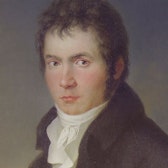
Beethoven, influenced by his teacher Christian Gottlob Neefe, was one of the first important musicians to adopt the view that artistic creation is a form of self-expression.
Composition History
Beethoven often wrote songs to serve music lovers' expectations for various social occasions, sometimes setting texts as a favor or on commission.
Recording & Production
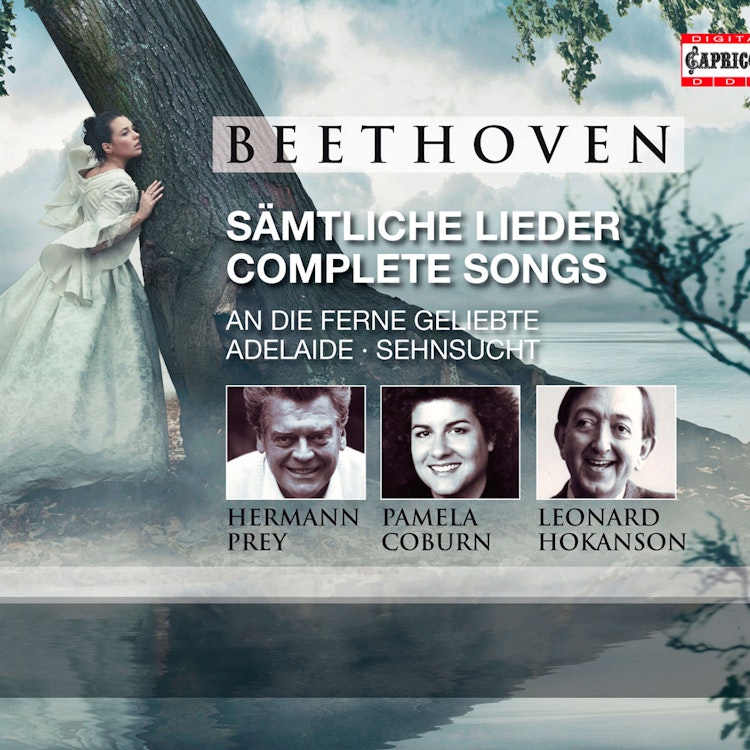
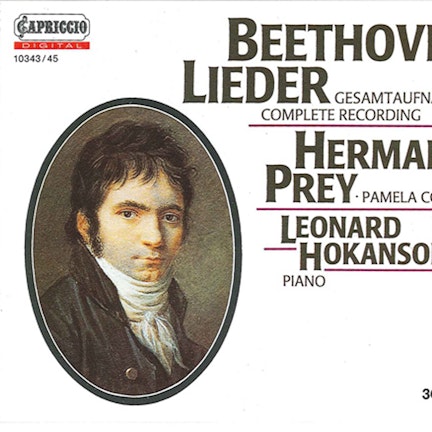
This album was recorded in Berlin, RIAS, Studio 10, between 1987 and 1989, and is a co-production between RIAS Berlin and CAPRICCIO.
Critical Reception
Beethoven's Op. 52 songs received mixed reviews; the Leipzig Allgemeine musikalische Zeitung in 1805 called them "thoroughly common, impoverished, dull, and in parts even risible."
Composer Biography
Ludwig van Beethoven composed nearly one hundred songs for voice and piano, with the majority written between 1792 and 1817.
Compositional Technique
Beethoven's song cycle An die ferne Geliebte, Op. 98, is notable for formally linking its songs through key relationships and the reappearance of the first song's melody in the last.
Historical Context
In Beethoven's time, the song for voice and piano was considered a minor genre, primarily serving for edification and cultivated entertainment rather than high art music.
You might also enjoy...
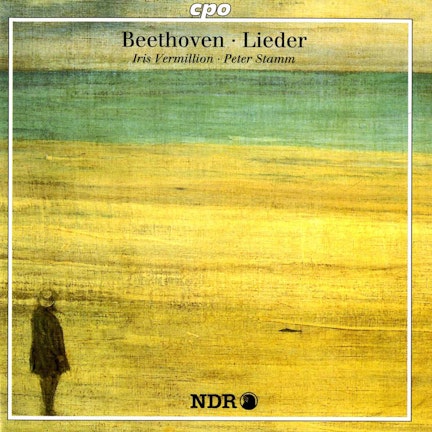
Beethoven: Lieder
Beethoven: Lieder
Beethoven 2020 – Lieder & Partsongs
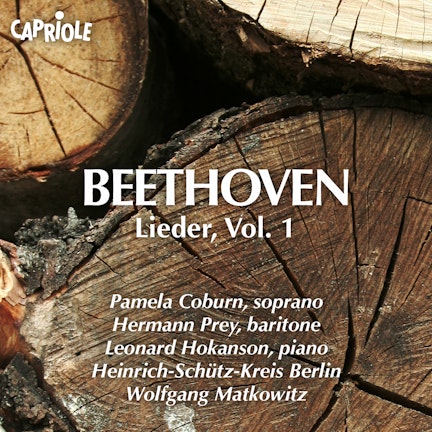
Beethoven, L. Van: Lieder, Vol. 1
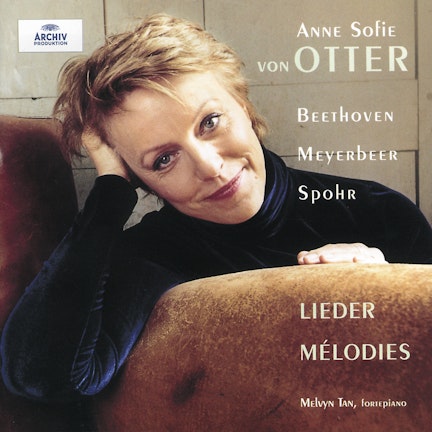
Beethoven / Meyerbeer / Spohr: Lieder
Beethoven, L. Van: Lieder, Vol. 2
Beethoven: An die ferne Geliebte; Lieder
Mozart, André Previn & R. Strauss: Songs & Arias (Live)
Vocal Recital (Lieder): Behle, Daniel - Schubert, F. / Beethoven, L. Van / Grieg, E. / Britten, B. / Trojahn, M.