In the 18th century, 'harmony music' referred to ensembles or pieces for woodwind or mixed woodwind and brass instruments, often used for princely festivities.
Composition History
Beethoven's Octet in E b major, Op. 103, was likely written in 1792, the year he left Bonn for Vienna, and was later given its high opus number misleadingly.
Recording & Production
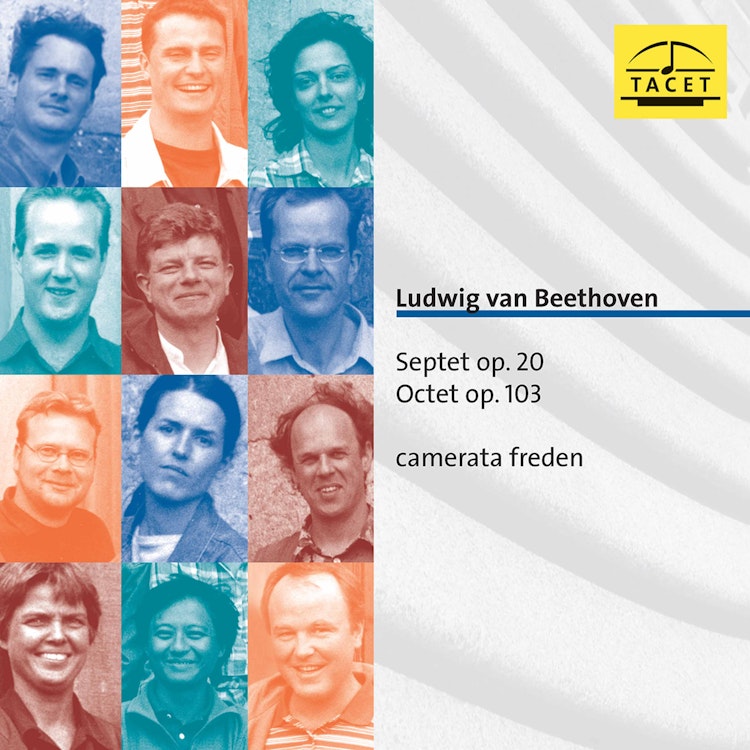
The camerata freden, the festival ensemble for this recording, is composed of members from famous orchestras like the Vienna Philharmonic and the London Symphony Orchestra.
Cultural Impact
The Septet became one of Beethoven's most popular pieces, so much so that he paradoxically began to distance himself from it, reportedly saying, 'I knew not how to compose. Now I think I do.'
Critical Reception
At its premiere in 1800, Beethoven's Septet was so enthusiastically received that it overshadowed his First Symphony, which was intended as the main work of the event.
Composer Biography
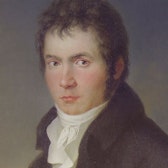
Ludwig van Beethoven gained his first experience as a violist in the court orchestra of Maximilian Franz, the Elector of Cologne, in Bonn.
Compositional Technique
Beethoven's Septet is so colorfully instrumented that it has been called a 'chamber symphony,' particularly due to its polyphonic density in the outer movements.
You might also enjoy...
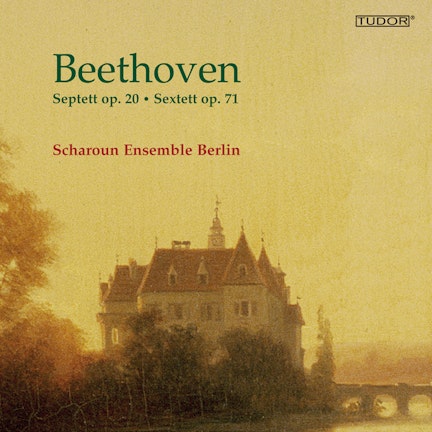
Beethoven: Sextet, Op. 71 & Septet, Op. 20
Beethoven : Septet / Mozart : Horn Quintet - APEX
Beethoven: Septett, Op. 20 - Sextett, Op. 71
The Piano Trio Collection - Beethoven: Trio No. 1 in E-Flat Major, Op. 1 & Trio No. 2 in E-Flat Major, Op. 70 - Heifetz Remastered
Ludwig van Beethoven: Septett op. 20, Quintett op. 4
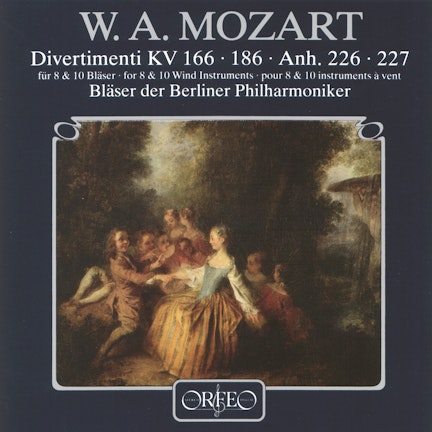
Mozart: Divertimenti, K. 166, 186, K. Anh 226 & 227
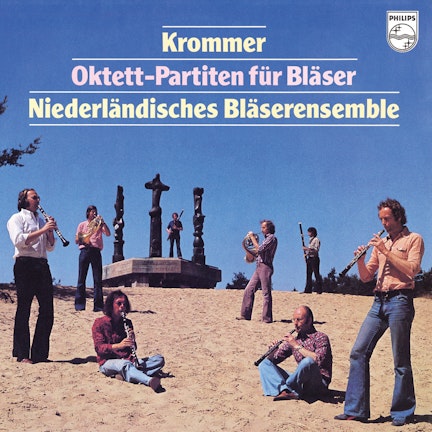
Krommer: Octet Partitas Op. 57; Op. 69; Op. 79
Mozart: Piano Trio, K. 498, 'Kegelstatt' / Violin Sonata No. 26 (Arr. for Clarinet and String Trio)