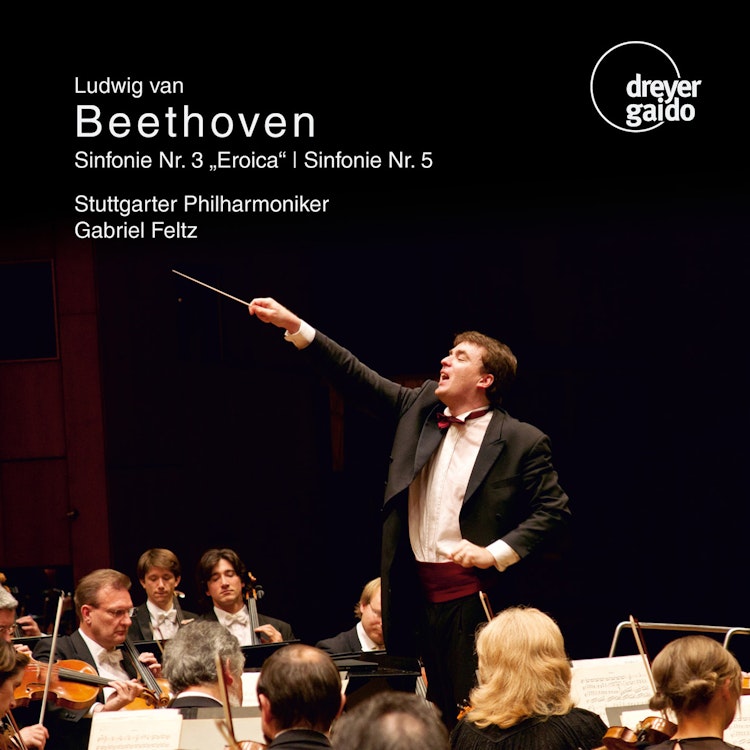
A hundred years ago, conductors like Felix Weingartner and Gustav Mahler 'improved' Beethoven's symphonies, finding their instrumentation too weak for the technical developments of orchestras at the time.
Composition History
Beethoven consciously sought a 'new path' after his first two symphonies, aiming to push the boundaries of the symphonic genre beyond the traditions established by Mozart and Haydn.
Composition History
The popular legend of Beethoven dedicating the 'Eroica' to Napoleon and then angrily retracting it is likely an invention, as a dedication to Napoleon would have been detrimental to Beethoven's career in Vienna.
Composition History
Beethoven's Third and Fifth Symphonies are chronologically closer than their numbering suggests, with the Fifth being conceived during the composition of the Third.
Compositional Technique
Unlike the 'Eroica', Beethoven's Fifth Symphony actually incorporates music from the French Revolution, creating musical connections that his contemporaries might have recognized.
Critical Reception
Early critics of the Third Symphony, the 'Eroica', described it as a 'very extensively executed, bold and wild fantasy' that 'very often... seemed to lose itself completely in lawlessness'.
Critical Reception
The Swiss musicologist Karl Nef (1873-1935) defended Beethoven's original scores, arguing that 'Beethoven's works reflect his time' and that 'embellishments' would be an anachronism.
You might also enjoy...
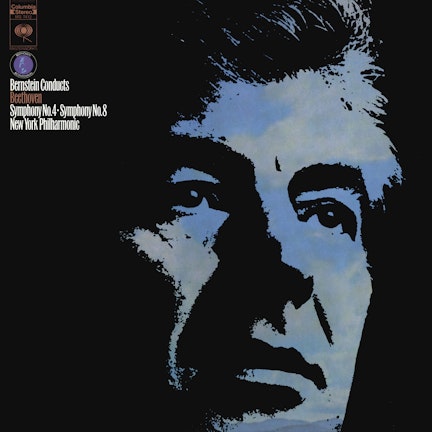
Beethoven: Symphony No. 4 in B-Flat Major, Op. 60 & Symphony No. 8 in F Major, Op. 93