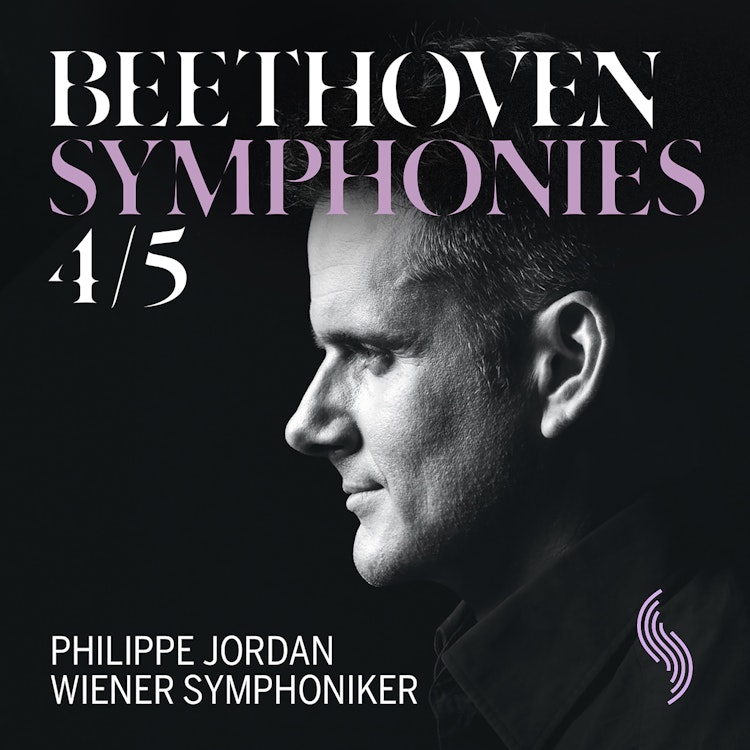
Conductor Philippe Jordan believes Beethoven's Fifth Symphony is not about destiny, but about revolution, rebellion, and rage, as contemporaries would have understood it.
Composition History
Beethoven's Fourth and Fifth Symphonies were composed concurrently, with sketches for the Fifth existing two years before the Fourth was completed in 1806.
Performer Biography
Philippe Jordan, the conductor on this album, is currently the Music Director of both the Wiener Symphoniker and the Opéra national de Paris.
Recording & Production
This album is the second in a series of five CDs that will feature Philippe Jordan's recordings of all Beethoven Symphonies with the Wiener Symphoniker.
Performer Biography
The Wiener Symphoniker, the orchestra on this recording, premiered several now-famous works, including Anton Bruckner's Ninth Symphony and Arnold Schönberg's Gurre-Lieder.
Interpretation
Conductor Philippe Jordan restores Beethoven's original five-part form for the third movement of the Fifth Symphony, which includes a twice-appearing trio, believing the three-part version feels too short.
Compositional Technique
Beethoven expanded the instrumentation for the Finale of the Fifth Symphony, using piccolo, contrabassoon, and trombones to symbolize 'la liberté' and break boundaries.
You might also enjoy...
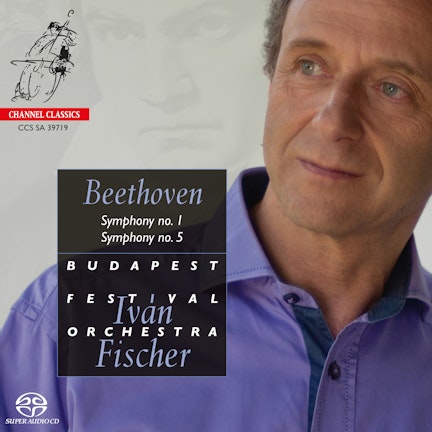
Beethoven Symphonies Nos. 1 & 5
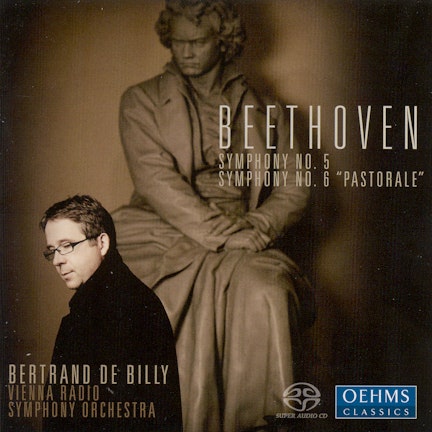
Beethoven, L. Van: Symphonies Nos. 5 and 6
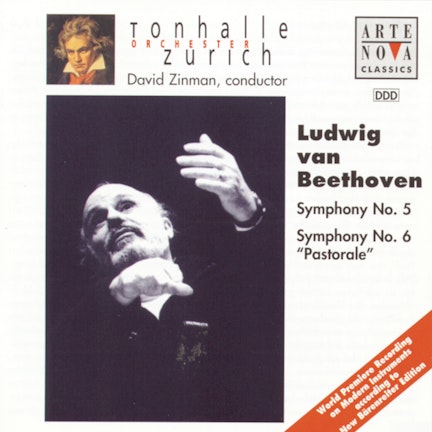
Beethoven: Symphonies Nos. 5 & 6
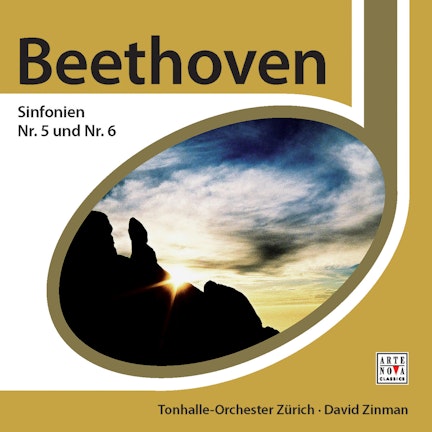
Beethoven Sinfonie Nr. 5&6
Beethoven: Symphonies Nos. 3 "Eroica" & 5
Beethoven: Symphonies Nos. 4 & 5
Beethoven, L. van: Symphonies Nos. 5 and 6, "Pastoral"