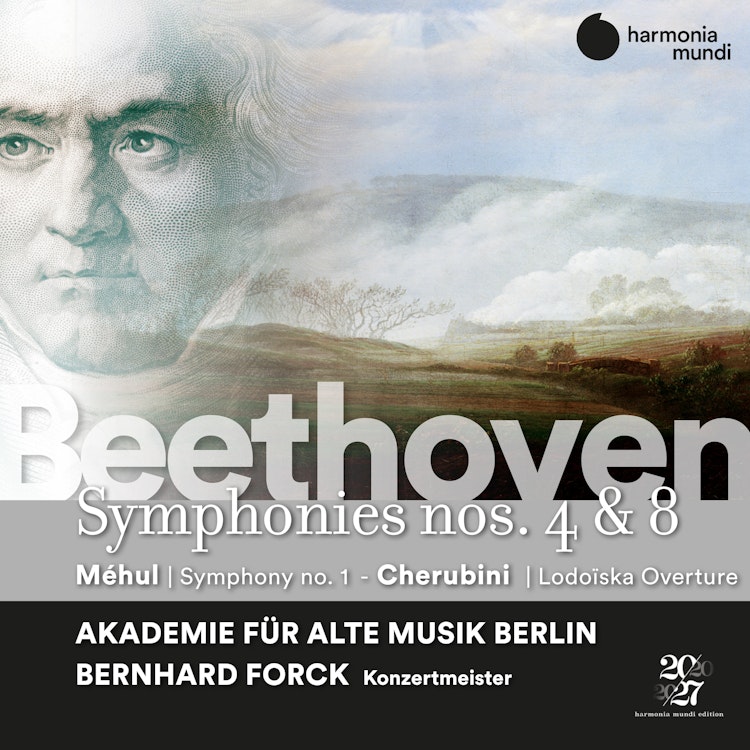
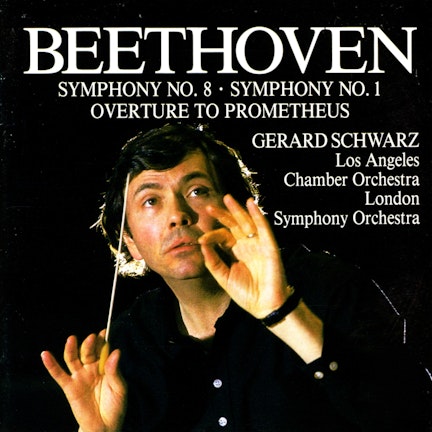
The second movement of Beethoven's Eighth Symphony, Allegretto scherzando, parodies a ticking clock mechanism, a reference to a mocking canon Beethoven wrote for Johann Nepomuk Mälzel, inventor of the metronome.
Compositional Technique
Beethoven's Eighth Symphony is notable for not having a slow introduction or preliminary bars, plunging the listener directly into the music with a sense of "restlessness, impatience."
Critical Reception
Beethoven's Fourth Symphony was described by a contemporary reviewer as "at times all too bizarre, and hence likely to be incomprehensible and off-putting even for cultivated music lovers."
Composition History
Beethoven's Fourth Symphony was composed out of necessity, serving as a "substitute" for a symphony promised to Count Franz von Oppersdorff, while Beethoven was also working on his Fifth and Sixth Symphonies.
Composer Biography
Beethoven welcomed the metronome, invented by Johann Nepomuk Mälzel, believing it signaled the end of the era of standardized "tempi ordinari."
Critical Reception
Beethoven's Eighth Symphony was less enthusiastically received at its 1814 premiere than his Seventh Symphony, prompting Beethoven to defiantly claim, "That is precisely because it's much better."
Composition History
Méhul's First Symphony in G minor was premiered in Paris in November 1808, just months before Beethoven's Fifth Symphony was first performed in Vienna in December 1808.
You might also enjoy...
Gossec, F.-J.: Symphony, Op. 6, No. 3 / La Chasse / Mirza / Symphonie A 17 Parties
Gossec: Symphonies
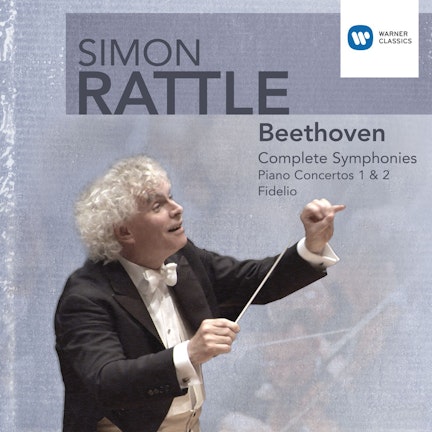
Simon Rattle Edition: Beethoven
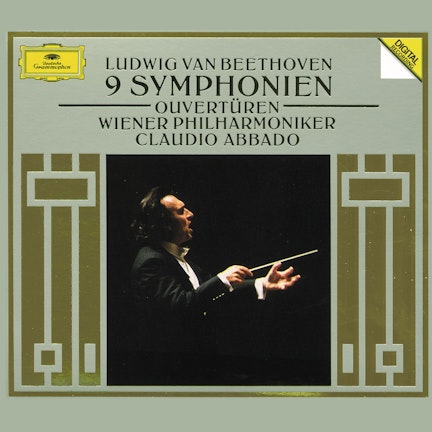
Beethoven: 9 Symphonies; Overtures
Simon Rattle Conducts Beethoven
Kraus, J.M.: Symphonies, Vol. 2
Spohr: Symphonies Nos. 1 & 6
Spohr: Symphonies Nos. 2 and 8
Beethoven: The Complete Symphonies
Riccardo Muti Conducts Beethoven
Arriaga, J.C.: Symphony in D Major / Pons, J.: Symphony in G Major / Moreno, F.J.: La Scala Di Scerma / Nono, J.: Symphony in F Major
Beethoven, L.: Symphony No. 8 / The Creatures of Prometheus