Beethoven: Symphony No. 3 - Brahms: Variations on a Theme by Haydn
10/19/2018, 5 Tracks, 1:04:25
Featuring
Maxim Emelyanychev
Soloists of Nizhny Novgorod
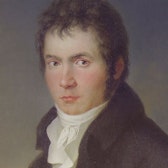
Ludwig van Beethoven
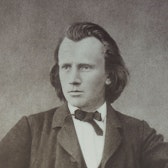
Johannes Brahms
Did you know?
1/7
Composer's Artistic Vision
Brahms, the composer of the Variations on a Theme by Haydn, found his artistic freedom by embracing the strict constraints of ancient forms and studying old masters like Bach, Buxtehude, and Schütz.
Composition History
Beethoven initially dedicated his Third Symphony, 'Eroica', to Napoleon Bonaparte, whom he saw as a liberator, but furiously changed the dedication when Napoleon crowned himself emperor.
Interpretation
The performers on this album use natural horns and natural trumpets, which are period instruments.
Critical Reception
At its first public performance in 1805, Beethoven's 'Eroica' Symphony was met with disapproval from the public and critics, who found it 'too long!' and 'interminable and disjointed!'.
Compositional Technique
Brahms's Variations on a Theme by Haydn features a finale that is a passacaglia, a form based on continuous variations over a ground bass, creating eighteen variations within a variation.
Recording & Production
This album was recorded by Little Tribeca from September 20 to 23, 2017, at Manor Rukavishnikov in Nizhny Novgorod, Russia.
Composer Biography
Beethoven, the composer of the 'Eroica' Symphony, considered suicide in late 1803 due to his progressive deafness, writing his 'Heiligenstadt Testament' to his brothers.
You might also enjoy...
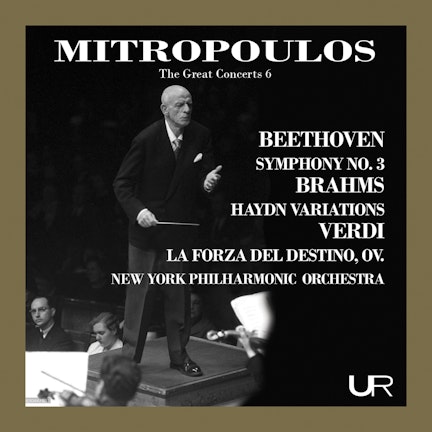
Mitropoulos conducts Beethoven, Brahms and Verdi
Klaus Tennstedt Live, Vol. 4
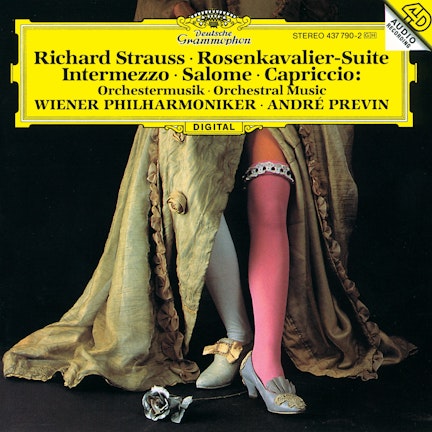
R. Strauss: Rosenkavalier-Suite; Intermezzo; Salome; Capriccio