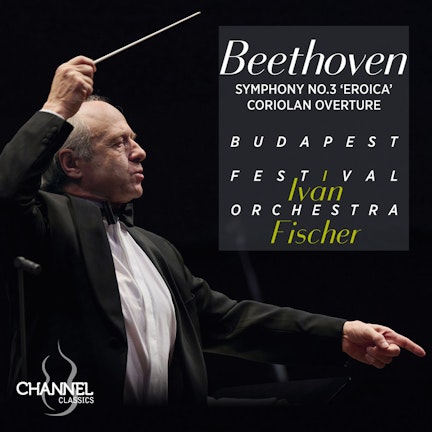
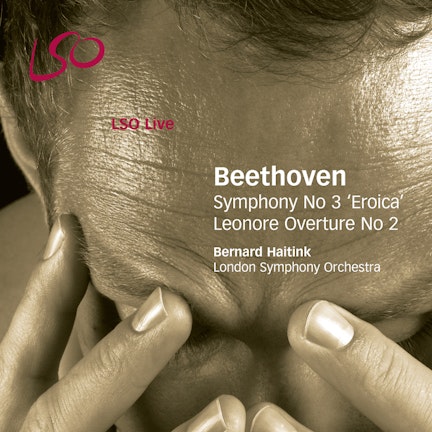
Beethoven originally intended to dedicate his Third Symphony to Napoleon, even titling an early copy 'Sinfonia grande, intitolata Bonaparte,' but he scratched out the dedication upon learning Napoleon crowned himself Emperor.
Notable Performances
The private world premiere of the 'Eroica' Symphony took place at Palais Lobkowitz, featuring a lean orchestra with only six first violins, augmented by 21 guest musicians.
Interpretation
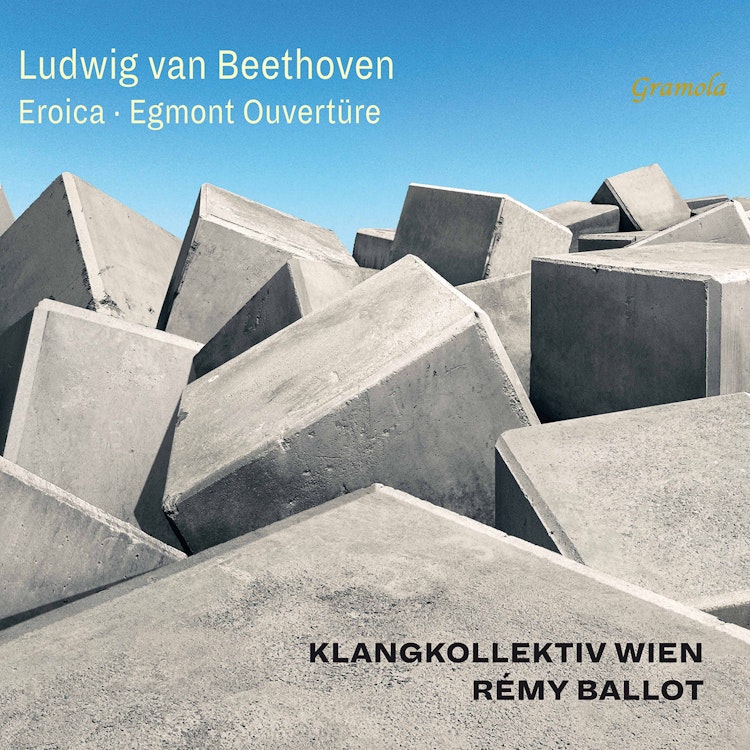
The Klangkollektiv Wien and conductor Rémy Ballot perform the 'Eroica' Symphony using a transparent, original sound orchestration, reminiscent of the 1804 premiere, with a lean orchestra of six first violins.
Composer's Artistic Vision
Beethoven believed that 'Composing means taking action,' striving to contribute to a more just world through his music.
Performer Biography
Rémy Ballot, the conductor, met his mentor Sergiù Celibidache at age 16 and developed his unique style under Celibidache's two-year guidance.
Compositional Technique
The 'Eroica' Symphony was revolutionary for its time, bursting the boundaries of traditional symphonic form, content, and dimensions, particularly in its complex first movement and its use of a variation movement as a symphonic finale.
Composer Biography
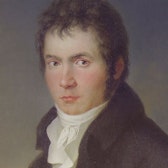
Beethoven, a humanist and political idealist, initially held high expectations for Napoleon Bonaparte, viewing him as a 'self-made man' who could realize the principles of freedom, equality, and fraternity.