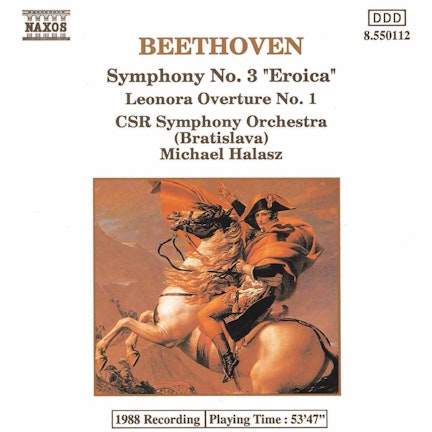
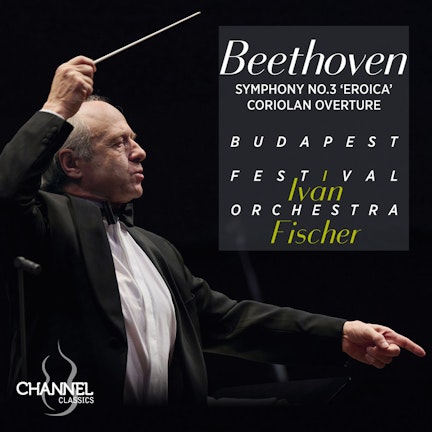
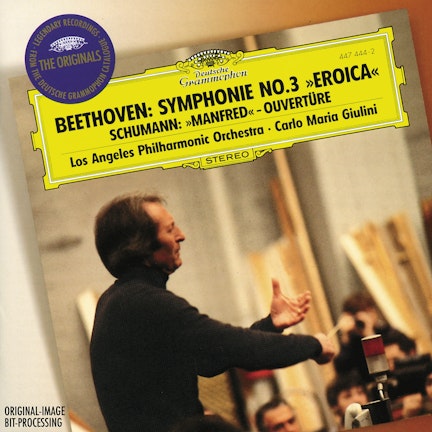
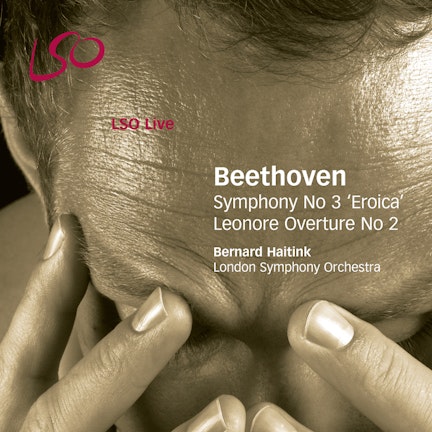
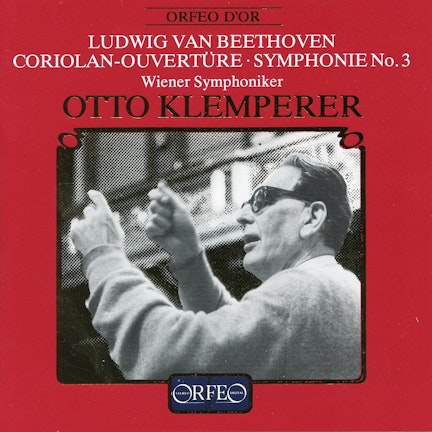
Beethoven admired Napoleon's rise to greatness but condemned him when he declared himself Emperor, tearing up the title page of his symphony dedicated to Bonaparte.
Compositional Technique
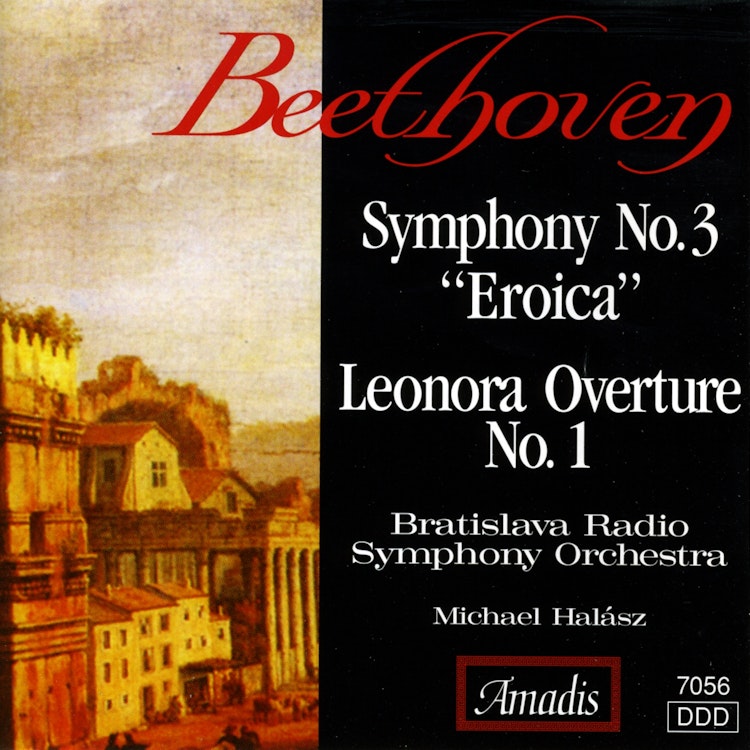
The finale of the 'Eroica' Symphony uses a theme from Beethoven's ballet 'Prometheus', which was completed in 1801.
Composition History
Beethoven's Symphony No. 3, 'Eroica', was initially inspired by Count Bernadotte, the French envoy to Vienna, who suggested a symphony in honor of General Bonaparte.
Composition History
Beethoven's 'Leonora Overture No. 1' was an original overture for his opera 'Fidelio', tried out in 1803 but rejected as too insubstantial.
Composition History
Beethoven's 'Eroica' Symphony was originally titled 'Buonaparte' on its title-page, but he angrily tore up the page upon hearing Napoleon had proclaimed himself Emperor.
Historical Context
The first performances of Beethoven's only opera, 'Fidelio', in November 1805, occurred a week after Napoleon's armies entered Vienna, leading to a largely French officer audience.
Compositional Technique
The 'Eroica' Symphony is a long work, with a funeral march as its slow movement, a scherzo replacing the classical minuet, and a final movement that is a set of variations.
You might also enjoy...
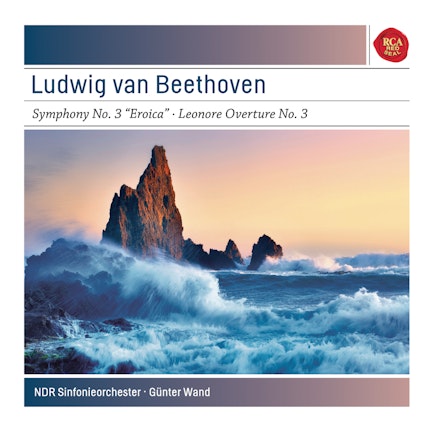
Beethoven: Symphony No. 3 in E-Flat Major, Op. 55 "Eroica"; Leonore Overture No. 3 in C Major, Op. 72a - Sony Classical Masters