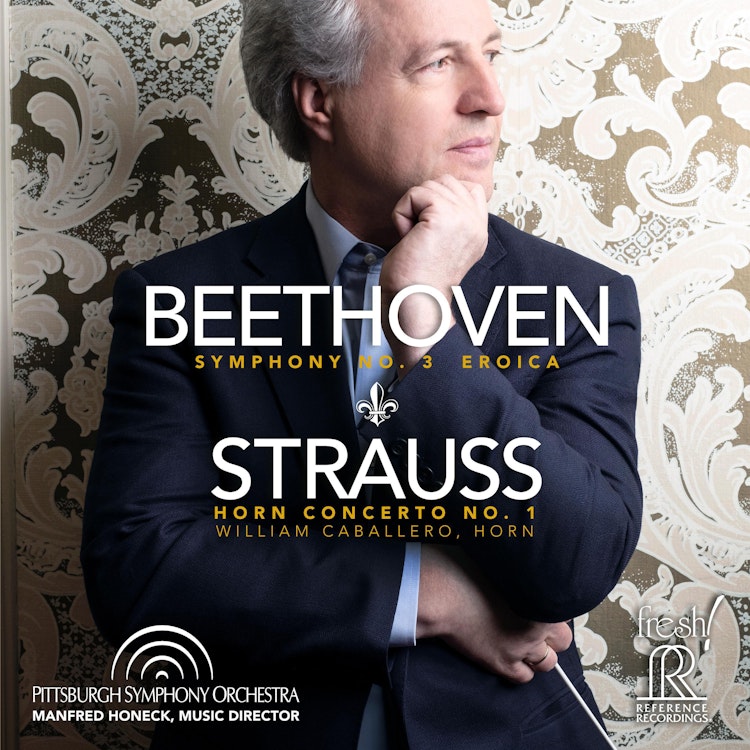
The modern valved horn, used in Strauss's Horn Concerto No. 1, evolved from early natural horns, which had roots in conch shells or animal horns used for hunting.
Composition History
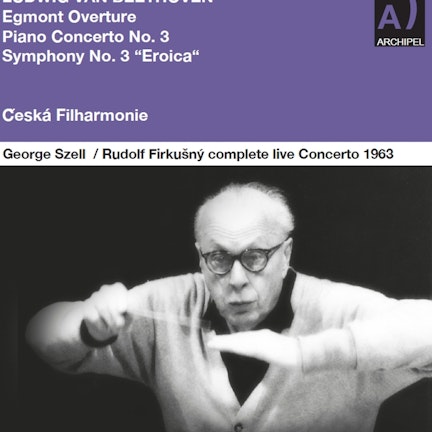
The 'Eroica' Symphony had its world premiere in a private concert on June 9, 1804, at the Palace of Prince Lobkowitz.
Composer Biography
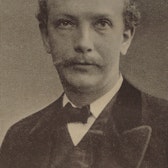
Richard Strauss's father, a first horn player, performed in the world premieres of Wagner's Tristan und Isolde, Meistersinger, and Parsifal, despite disliking Wagner.
Composition History
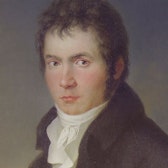
Beethoven began sketching his Third Symphony, the 'Eroica', in 1802 and worked on it mainly in May and June of 1803.
Compositional Technique
Beethoven's 'Eroica' Symphony was groundbreaking for its bold use of rhythm, harmony, and formal inventiveness, greatly influencing the symphonic genre.
Performer Biography
William Caballero, the Principal Horn on this recording, has an indirect connection to Strauss: his teacher studied with a horn player who performed Strauss operas with the composer conducting.
Composition History
Beethoven originally titled his Third Symphony 'Sinfonia intitolata Bonaparte' (Symphony entitled Bonaparte), but later erased the dedication.
You might also enjoy...
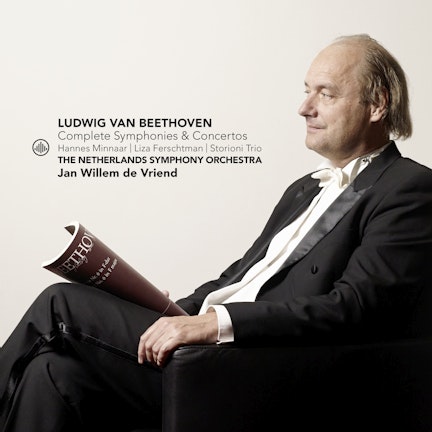
Beethoven: Complete Symphonies and Piano Concertos