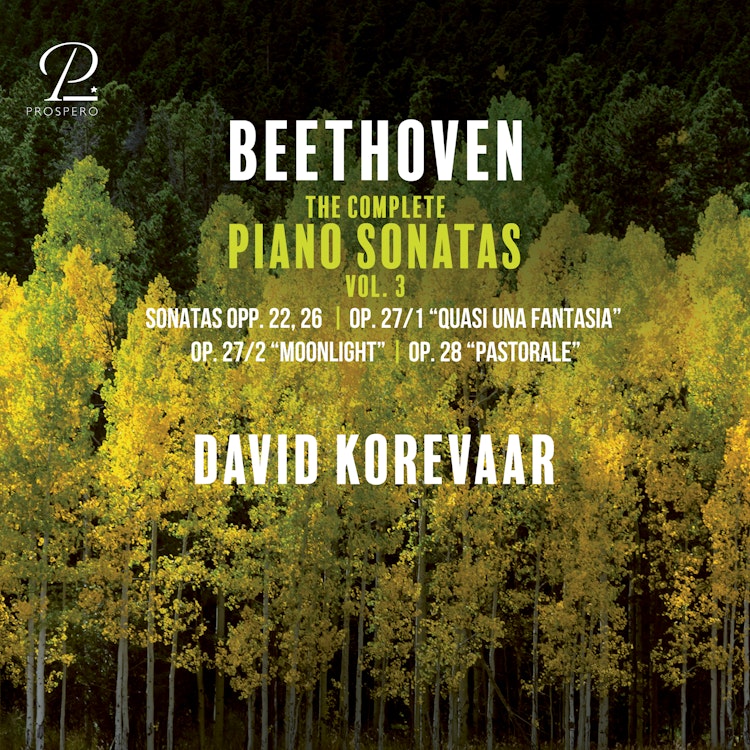
Beethoven: The Complete Piano Sonatas, Vol. 3: Sonatas Op. 22 & 26 - Op. 27 No. 1 "Quasi una fantasia" - Op. 27 No. 2 "Moonlight" - Op. 28 "Pastorale"
8/8/2025, 19 Tracks, 1:39:51
Featuring
David Korevaar
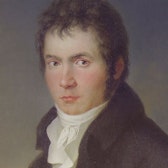
Ludwig van Beethoven
Did you know?
1/7
Composition History
Beethoven was proud of his Sonata in B-flat, Op. 22, writing to his publisher Hoffmeister, 'diese Sonate hat sich gewaschen' (this Sonata has washed itself), indicating its excellence.
Compositional Technique
The Sonata in A-flat, Op. 26, is notable for being the first Beethoven sonata with a manuscript in his hand, the first to specify pedaling, and the first to place the dance movement (Scherzo) before the slow movement.
Critical Reception
Beethoven's 'Moonlight' Sonata, Op. 27 No. 2, became an immediate hit in his lifetime, though he was not entirely happy about it as it distracted the public from his subsequent innovations.
Compositional Technique
The two sonatas of Op. 27 were published with the title 'Sonata quasi una fantasia' because they are intended to be performed without breaks between movements, similar to late 18th-century fantasias.
Cultural Impact
Beethoven's third-movement Funeral March in Op. 26 was an obvious inspiration for Frédéric Chopin's third-movement Funeral March in his second sonata.
Compositional Technique
Beethoven's Sonata in A-flat, Op. 26, and the two Sonatas quasi una fantasia, Op. 27, are radical in their approach to structure, abandoning the traditional sequence of movements and forms.
Composer's Artistic Vision
The sonatas on this album represent both the culmination of Beethoven's early style and a departure point for innovations, foreshadowing the beginning of Romanticism in music.