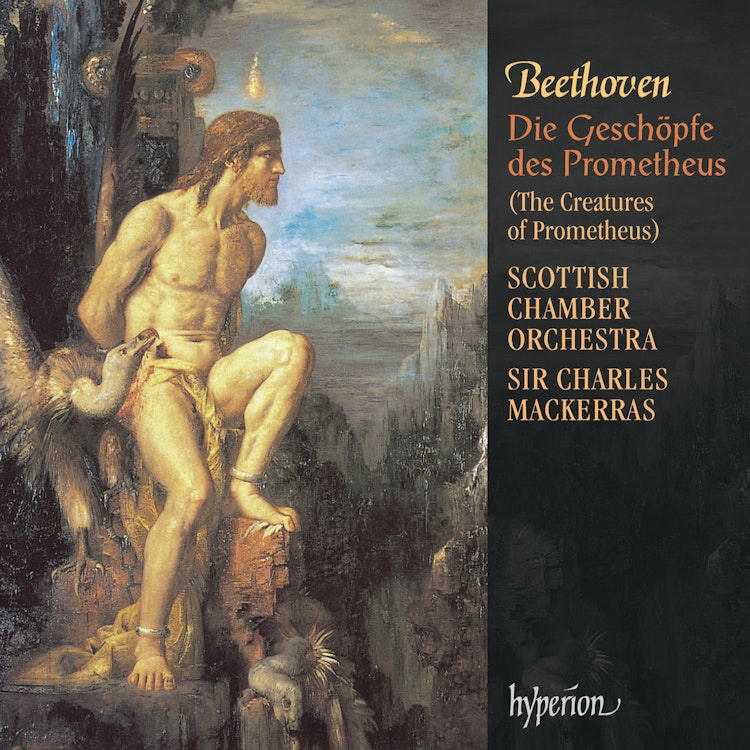
The music for The Creatures of Prometheus marked a turning point in Beethoven's career, leading to works like the 'Eroica' Symphony, Fidelio, and the Violin Concerto, which belong to the new age of Romanticism.
Composer Biography
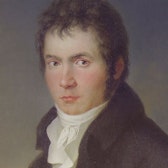
Beethoven became one of the first successful freelance musicians, relying on commissions rather than permanent employment by a wealthy patron, a departure from the norm for composers of his era.
Composition History
Beethoven's ballet, The Creatures of Prometheus, was commissioned ten years after his first ballet, Ritterballet, and features choreography by the celebrated Italian dancer Salvatore Viganó.
Composer's Artistic Vision
Beethoven may have viewed The Creatures of Prometheus as a secular counterpart to Haydn's oratorio The Creation, which he greatly admired.
Compositional Technique
The grand Finale of The Creatures of Prometheus quotes two Contretänze and a theme later used in Beethoven's Op 35 piano variations and the last movement of his 'Eroica' Symphony.
Critical Reception
Despite being well-received by audiences with twenty-one performances, a critic in 1801 found the music for The Creatures of Prometheus "too learned for a ballet" and not sufficiently attentive to the dancing.
Compositional Technique
Beethoven prominently scored for the harp and included solo basset horn passages in The Creatures of Prometheus, instruments he rarely or never used elsewhere.
You might also enjoy...
Prokofiev: Romeo and Juliet, Opp.64a & b
Stravinsky Conducts "The Fairy's Kiss"
Prokofiev: Cinderella
Tchaikovsky: The Nutcracker & Swan Lake Suites
Prokofiev : Romeo & Juliet Suites Nos 1 & 2
Prokofiev: Romeo and Juliet, Op. 64 (Excerpts)
Beethoven: Creatures of Prometheus (The), Op. 43
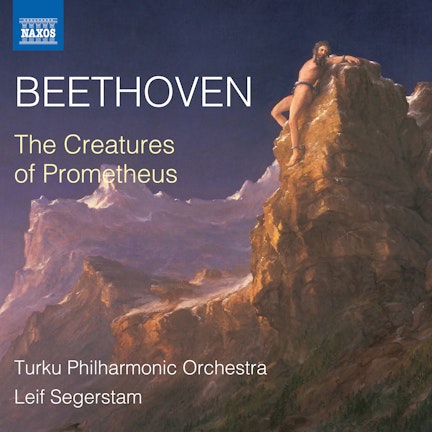
Beethoven: The Creatures of Prometheus, Op. 43
Tchaikovsky: Swan Lake Op.20
Kraus: Ballet Music
Stravinsky: Le Baiser De La Fee / Tchaikovsky: Bluebird Pax De Deux