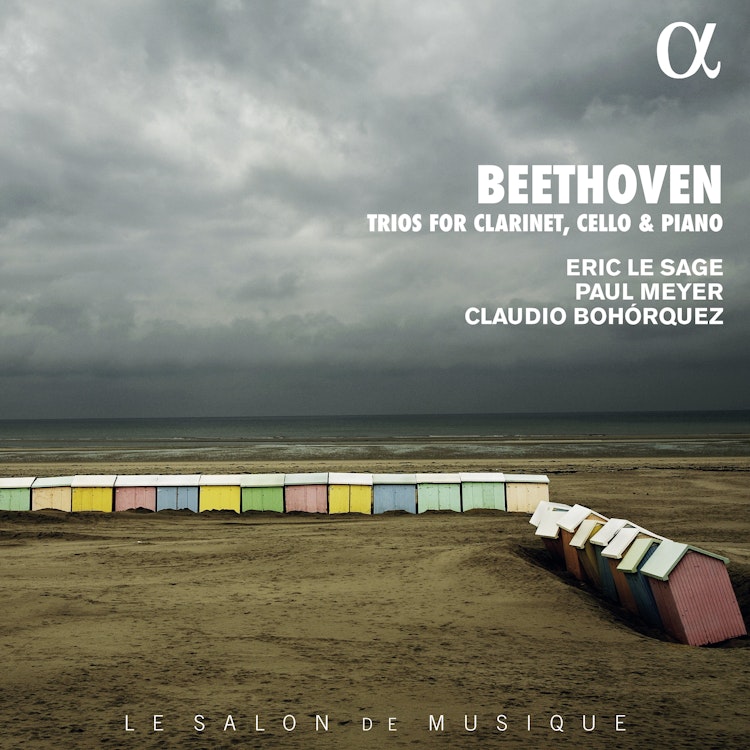
This album was recorded at the Auditorium Campra, Conservatoire Darius Milhaud d'Aix-en-Provence, a venue known for its exceptional acoustics.
Composition History
Beethoven's Trio Op. 11, nicknamed 'Gassenhauer', uses a popular tune in its finale, a 'Gassenhauer' being a popular tune sung in the streets.
Compositional Technique
Beethoven's Septet Op. 20 shares its tonality and musical architecture with Mozart's Divertimento K.563, placing it in the tradition of divertimentos and serenades.
Composer Biography
By 1798, Ludwig van Beethoven was known in Vienna as a remarkable improviser and ambitious young composer, having arrived from Bonn in 1792.
Composition History
The theme for the Tema con variazioni in Beethoven's Trio Op. 11 comes from Joseph Weigl's comic opera 'L'amor marinaro ossia Il corsaro', which was a hit in Vienna in 1797.
Composition History
Beethoven himself made the arrangement of his Septet Op. 20 for clarinet (or violin), cello, and piano, which is recorded on this album, and published it as Op. 38.
Composer's Artistic Vision
Beethoven became irritated by the popularity of his Septet Op. 20, feeling it was a 'relatively conventional classical work' and stating around 1815, 'At that time I did not know how to compose. Now, I think I know.'
You might also enjoy...
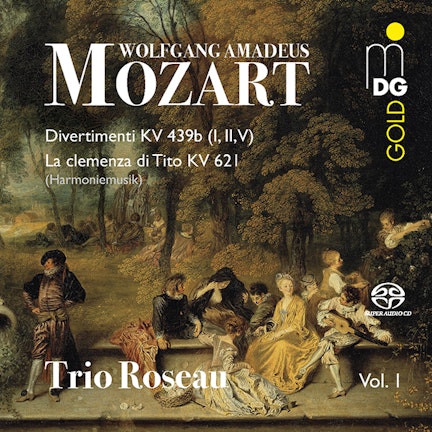
Mozart: Divertimenti KV 439b
Quintets for Pianoforte & Winds
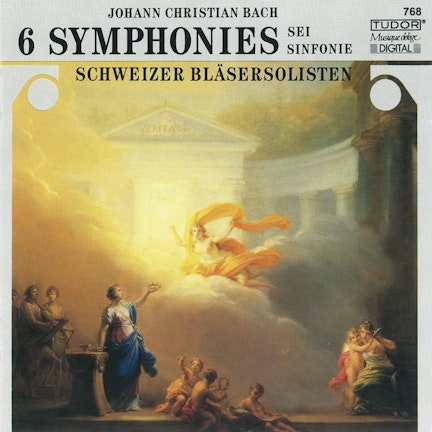
Johann Christian Bach: 6 Symphonies for Wind Sextet
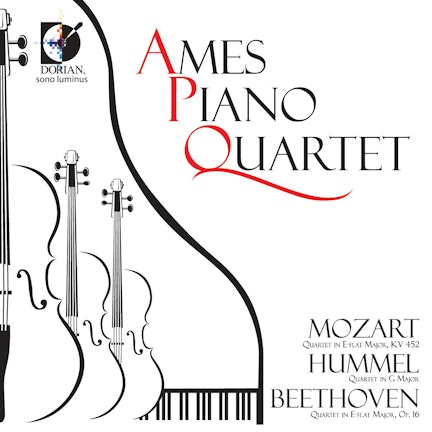
Ames Piano Quartet
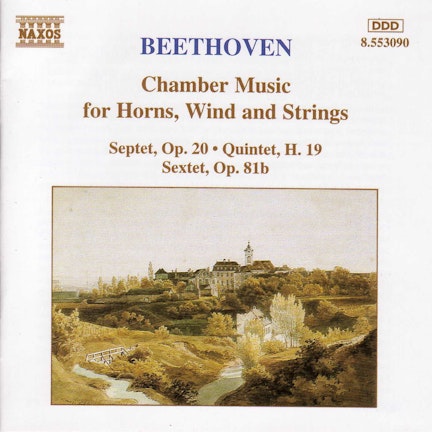
Beethoven: Chamber Music for Horns, Winds and Strings
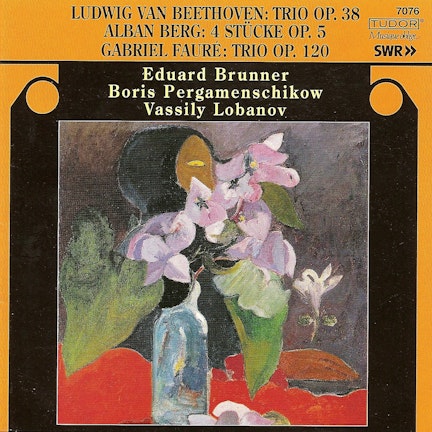
Faure, G.: Piano Trio, Op. 102 / Berg, A.: 4 Stucke, Op. 5 / Beethoven, L. Van: Clarinet Trio, Op. 38