Beethoven's Third Piano Concerto was not fully 'finished' at its 1803 premiere; an anecdote describes the composer improvising the solo part from nearly empty pages.
Compositional Technique
The key of C minor in Beethoven's Third Piano Concerto, later known as his 'Fate key,' was inspired by Mozart's C minor Concerto K 491, a favorite work of Beethoven's.
Performer Biography
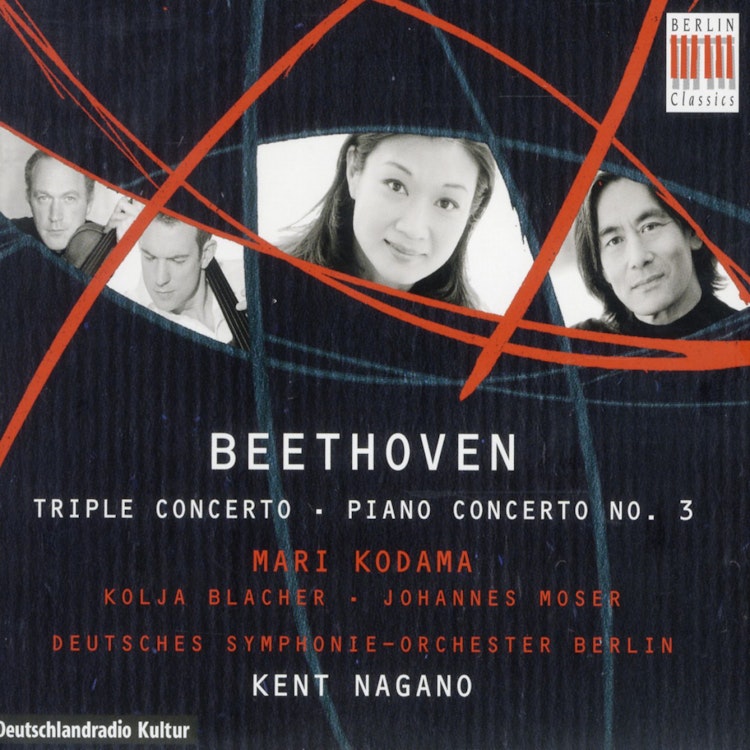
Kolja Blacher, the violinist on this recording, plays the 'Tritton' Stradivari violin from 1730, which is on loan to him from Kimiko Powers.
Composer Biography
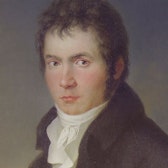
At 22, Ludwig van Beethoven left Bonn for Vienna in 1792, intending to study with Joseph Haydn, but Haydn was too busy with commissions for London.
Composer's Artistic Vision
Beethoven's C minor works, including the Third Piano Concerto, embody 'the seriousness and morality which constitute the strength of people who excel,' reflecting the moral ideas of Weimar Classicism.
Compositional Technique
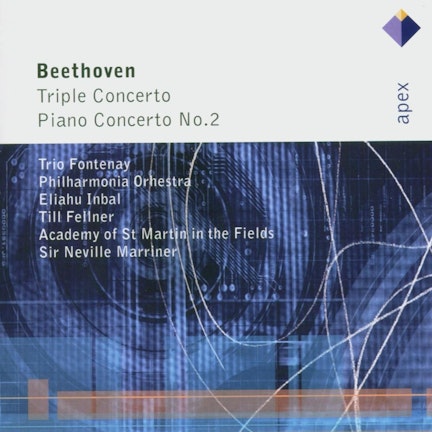
The Triple Concerto is a 'sinfonia concertante,' a genre that was popular in the 18th century but had practically died out by 1800, featuring multiple solo instruments against an orchestra.
Composition History
Beethoven's Triple Concerto was composed for Archduke Rudolf of Austria, one of his prominent pupils, and its demanding piano part was adapted to suit the Archduke's abilities.
You might also enjoy...
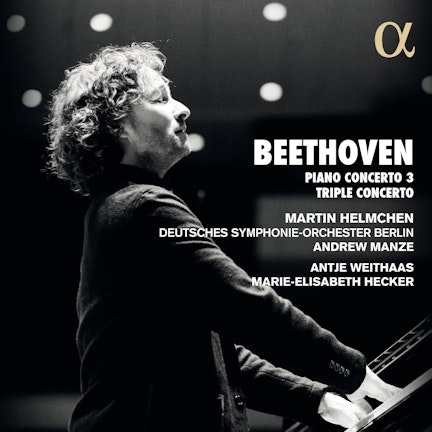
Beethoven: Klavierkonzert Nr. 3/Tripelkonzert
Beethoven: Concerto No.3 & Triple Concerto
Beethoven: Tripelkonzert
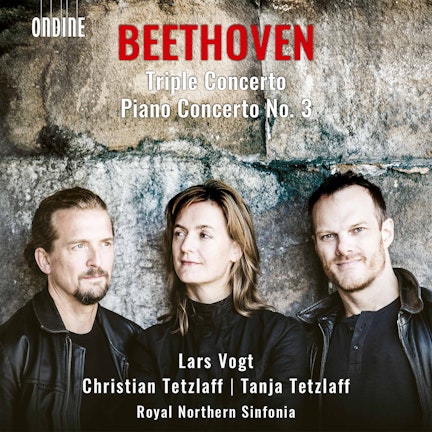
Beethoven:Triple Concerto/Piano Concerto no.3
Beethoven: Piano Concerto No. 3, Triple Concerto. The Complete Orchestral Works of Beethoven, Vol. 5
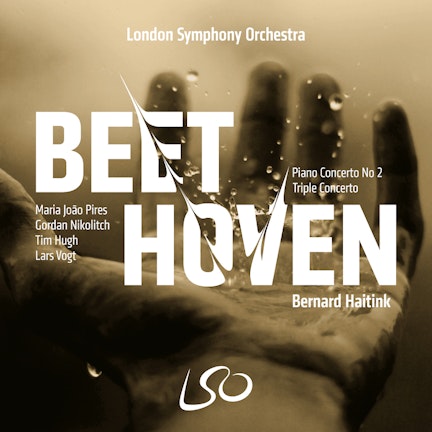
Beethoven: Piano Concerto No. 2 & Triple Concerto
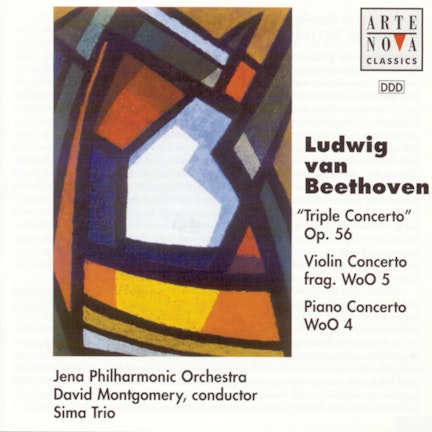
Beethoven: Triple Cto./Allegro Op.5/Rondo For Piano + Orch. Op.6
Beethoven: Piano Concertos Nos. 1 and 2, Rondo in B Flat Major. The Complete Orchestral Works of Beethoven, Vol.3