In the late 18th century, a surge in amateur musicians created high demand for piano variations of moderate difficulty, a popular and lucrative genre.
Compositional Technique
Beethoven's early variations, often published without opus numbers (Wo0), typically feature two-part themes, variations in minor keys and slower tempos, and an extended final 'super variation'.
Composer's Artistic Vision
In 1802, Beethoven developed a 'new manner' of writing variations, building upon Haydn's approach, which culminated in his Diabelli Variations.
Composer Biography
Beethoven knew and was on friendly terms with most of the composers from whom he borrowed themes for his variations, viewing it as a gesture of recognition and respect.
Performer Biography
Vladimir Feltsman was banned from public performance and had his recordings suppressed in the Soviet Union for eight years after signaling his intention to emigrate in 1979.
Performer Biography
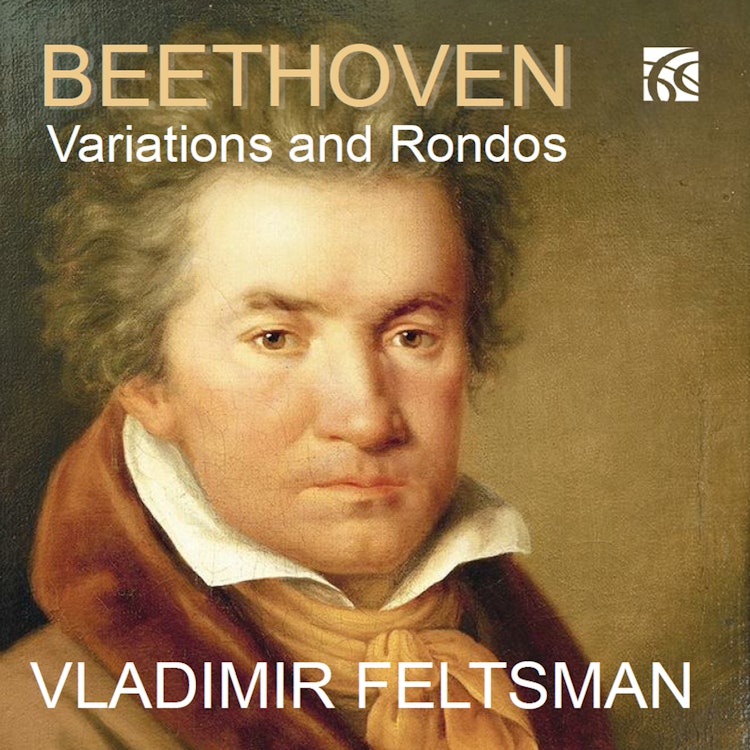
Vladimir Feltsman, the pianist on this recording, debuted with the Moscow Philharmonic at age 11 and won the Grand Prix at the Marguerite Long International Piano Competition in Paris in 1971.
Composer Biography
Beethoven composed twenty sets of variations, with fourteen based on themes by other composers and six on his own original themes.
You might also enjoy...
Beethoven: 33 Variations in C Major, Op. 120 on a Waltz by Diabelli: Var. 10. Presto
Beethoven: Diabelli Variations, Op. 120
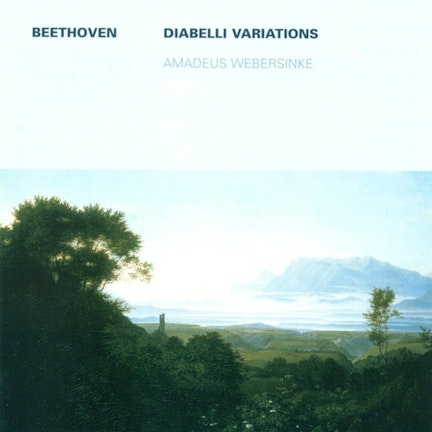
BEETHOVEN, L. Van: Diabelli Variations (Webersinke)
Piano Series: Beethoven
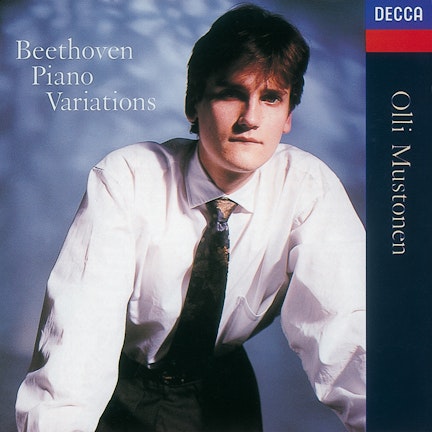
Beethoven: Piano Variations
Beethoven: Diabelli Variations
Beethoven: 8 Variations on Grétry's "Une fièvre brûlante", WoO 72
Beethoven: Diabelli Variations
Beethoven: Diabelli Variations
Beethoven: Diabelli Variations, Op. 120
Beethoven: Diabelli Variations - Gustav Piekut, piano
Beethoven: 9 Variations on a March by Dressler, WoO 63