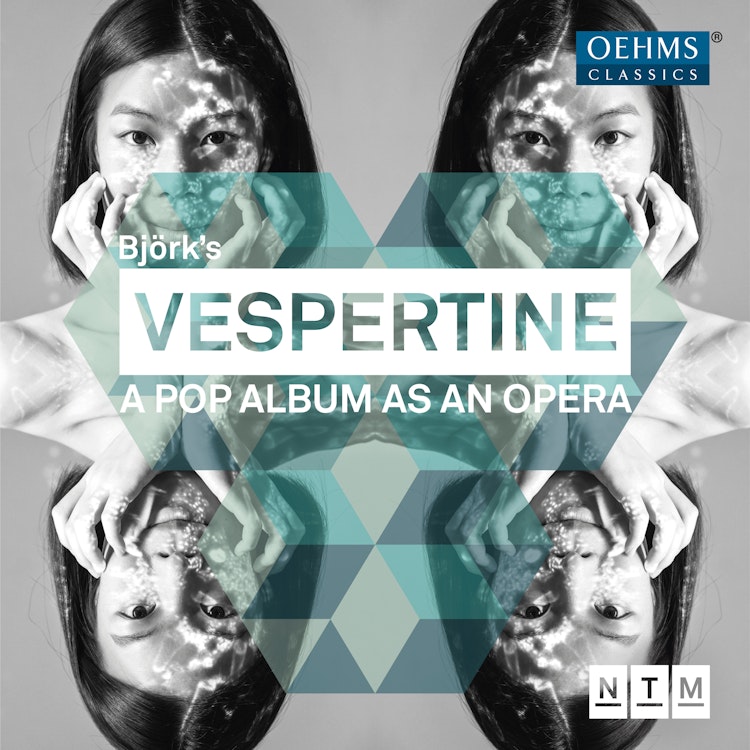
Björk: Vespertine - A Pop Album as an Opera (Live)
4/12/2019, 22 Tracks, 1:17:52
Featuring
Matthew Toogood
Ji Yoon
Hashimoto Aki
Simon Oesch
Raymond Ayers
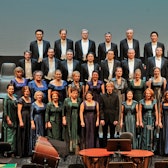
Orchester des Nationaltheaters Mannheim
Opernchor des Nationaltheaters Mannheim
Björk Guðmundsdóttir
Did you know?
1/7
Compositional Technique
The opera's orchestrators aimed to reproduce the album's differentiated and electronic sounds using only acoustic instruments, incorporating special instruments like a West African pumpkin, sandwich paper, and glass instruments.
Composer Biography
Björk's musical education was influenced by Iceland's centuries-old song tradition and classical training, and she was introduced to 20th-century composers like Schoenberg, Messiaen, Berg, Stockhausen, and Cage.
Composer's Artistic Vision
Björk, though a solo artist, prefers not to be called a composer, viewing her music as a collaborative effort rather than the product of a solitary genius.
Composition History
This opera is a musical stage adaptation of Björk's 2001 album "Vespertine", created as a co-production between Nationaltheater Mannheim and Hotel Pro Forma.
Composer's Artistic Vision
For "Vespertine", Björk aimed to make audible things that normally escape human perception, even commissioning the experimental electronic band Matmos to find out what a catkin popping sounds like.
Interpretation
The production uses a large orchestra but forms special ensembles within it, varying from piece to piece, a technique influenced by composers like Wagner and Stravinsky.
Historical Context
Björk's album "Vespertine" was created in 2001, a time when internet access and laptops were not yet commonplace, and music streaming services like Napster and Spotify were not yet invented.
You might also enjoy...
Tomasson: Gudrun's 4th Song
Leifs: Baldr, Op. 34
Britten: The Turn of the Screw, Op. 54
Aulis Sallinen: Highlights
Ming Tsao: Die Geisterinsel, Serenade & If Ears Were All That Were Needed
Fantastic Berlioz
Britten: The Turn of the Screw
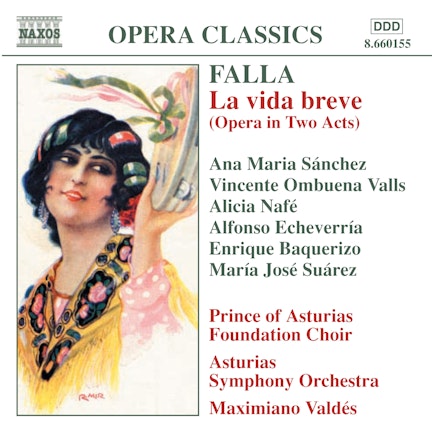
Falla: Vida Breve (La)
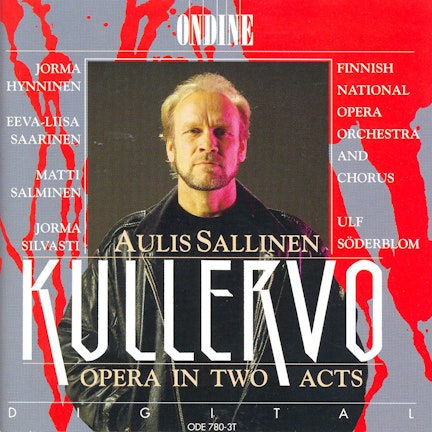
Sallinen, A.: Kullervo [Opera]
Janáček: Jenůfa
Richard Wagner: Tristano e Isotta
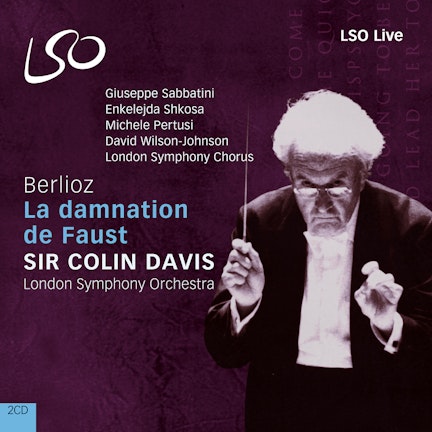
Berlioz: La damnation de Faust
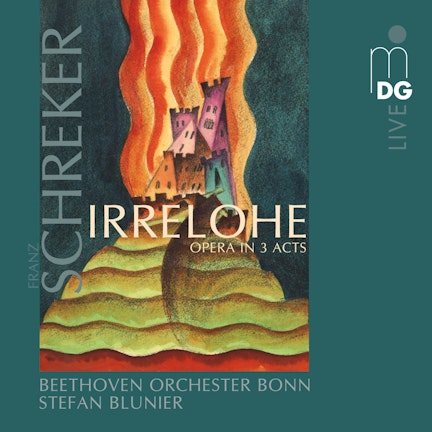
Schreker: Irrelohe Opera in 3 Acts
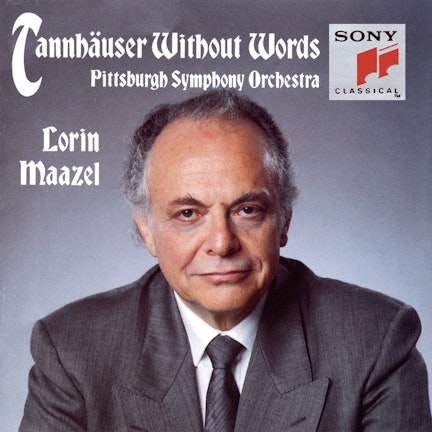
Tannhäuser Without Words - A symphonic synthesis by Lorin Maazel