Between 1597 and 1615, numerous collections of Lute Songs were published, indicating the popular nature of this repertoire beyond the court, masques, and church.
Interpretation
The viol parts in this recording are based on a reduction of a four-voice counterpoint, rather than the basso continuo system, which became prevalent in English vocal music later.
Album & Artwork
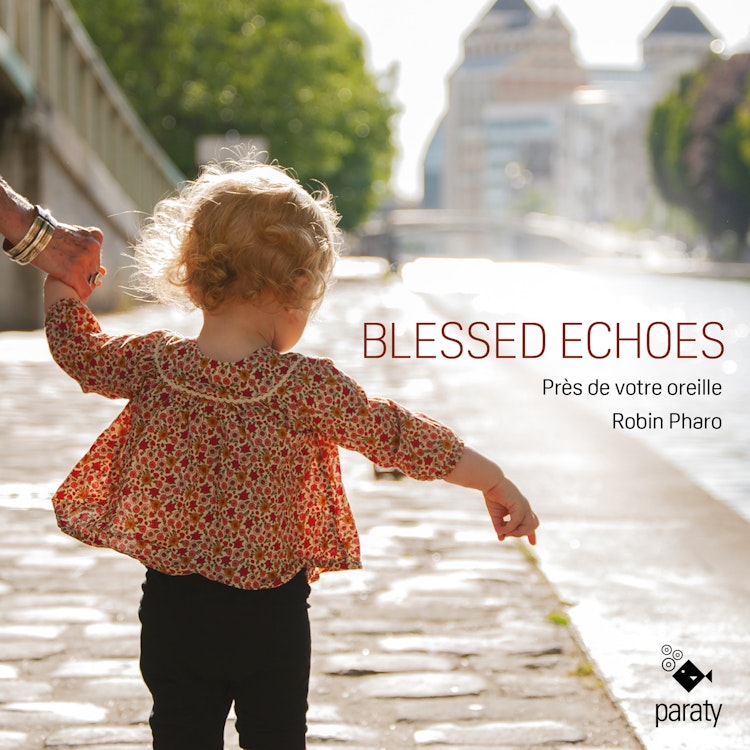
The album title, Blessed Echoes, is taken from the Robert Jones poem "If in this flesh," where the narrator's soul hears "blessed Ecchoes" from heaven.
Compositional Technique
Elizabethan songs often alternate between horizontal voice treatment and vertical homorhythmic composition, distinguishing them from the counterpoint-dominated Italian madrigal.
Instruments
The lyra-viol, featured on this album, was an experimental viola da gamba with sympathetic strings or a specific playing style requiring non-standard tunings.
Recording & Production
The recording uses a mesotonic temperament with a 1/6th comma and a tuning pitch of 405 Hz, with the lyra-viols tuned to 453 Hz.
Composition History
The first official collection of Lute Songs was composed by John Dowland and published in London in 1597, marking a significant era for English song.
You might also enjoy...
"O Ravishing Delight" English Ayres
In Darkness Let Me Dwell
An Elizabethan Songbook
In Darkness Let Me Dwell
Firenze 1350, un jardin médiéval florentin
Dowland, J.: Lute Songs and Ayres
Crystal Tears
Elizabethan Songs
Bolcom: Songs of Innocence and of Experience (Live)