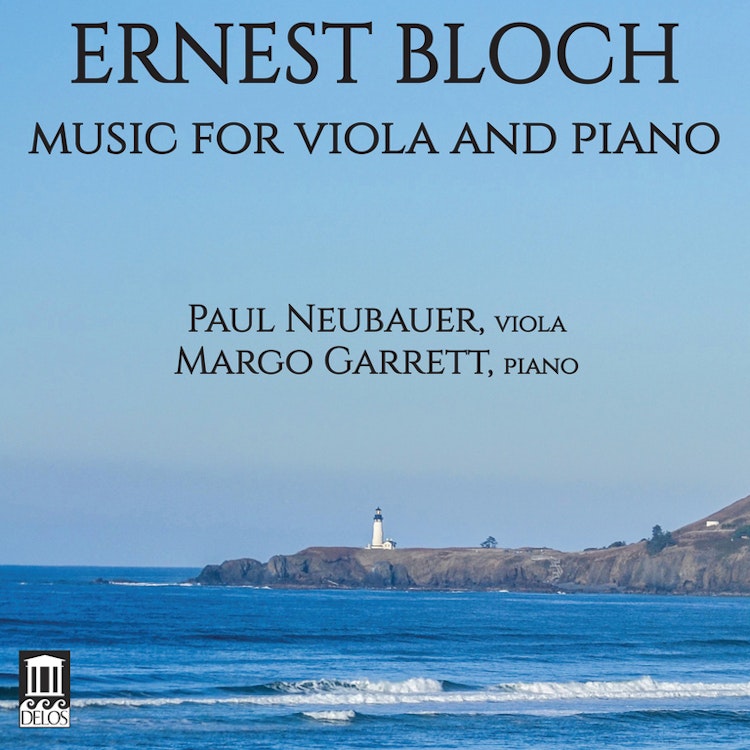
The Suite Hébraïque and Meditation and Processional were originally part of a group of five pieces called Five Jewish Pieces, composed by Bloch in appreciation of the Chicago Covenant Club for sponsoring his 70th birthday festival.
Performer Biography
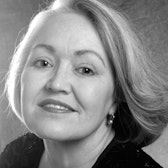
Paul Neubauer, the violist on this recording, was the Principal Violist of the New York Philharmonic for six years, joining at age twenty-one as the youngest principal string player in the Philharmonic's history.
Composer Biography
Ernest Bloch had a celebrated career as a teacher, serving as director of the Cleveland Institute of Music and the San Francisco Conservatory, and teaching at UC Berkeley.
Composer's Artistic Vision
Ernest Bloch, while influenced by Jewish music, also drew from Romanticism, Impressionism, neoclassicism, and American music, blending these influences into a personal and universal approach.
Critical Reception
Ernest Bloch's Suite for Viola and Piano won first prize in the 1919 Berkshire Chamber Music Festival Competition, with Oscar Sonneck, editor of The Musical Quarterly, calling it 'the greatest work for viola in musical literature'.
Recording & Production
The digital audio tapes for this 2001 recording were lost for many years before resurfacing and being salvaged for this release.
Composer Biography
Ernest Bloch, born in Switzerland, established a reputation as a 'Jewish composer' after coming to the United States in 1916, reinforced by his publisher decorating his editions with the Star of David.
You might also enjoy...
Bloch: Works For Viola & Piano
Romantic Inspirations
Vieuxtemps: Complete Works for Viola
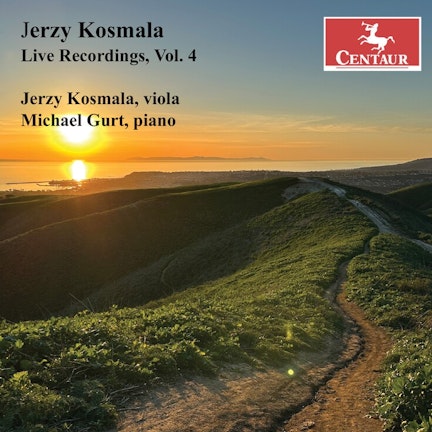
Jerzy Kosmala Live Recordings, Vol. 4
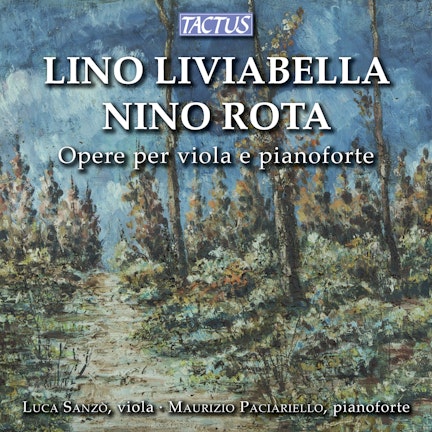
Liviabella - Rota: Viola Sonatas
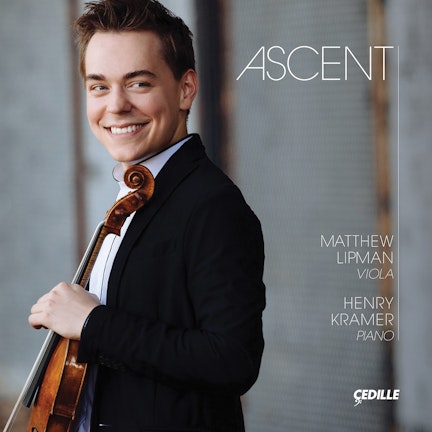
Ascent
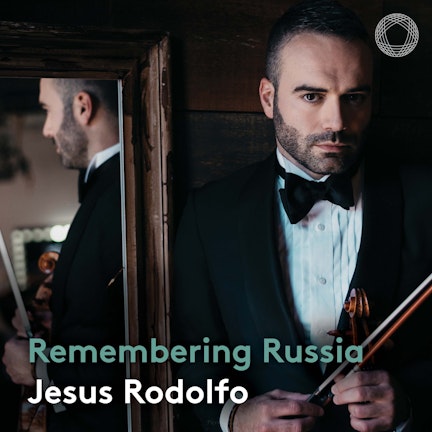
Remembering Russia
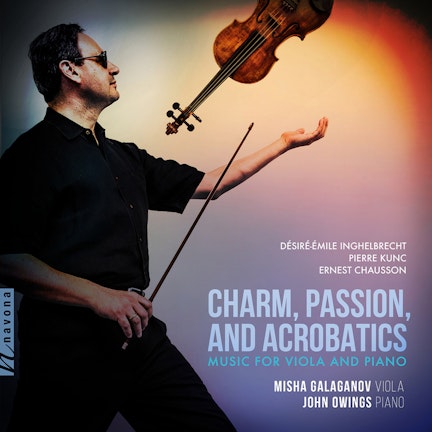
Charm, Passion, and Acrobatics: Music for Viola & Piano