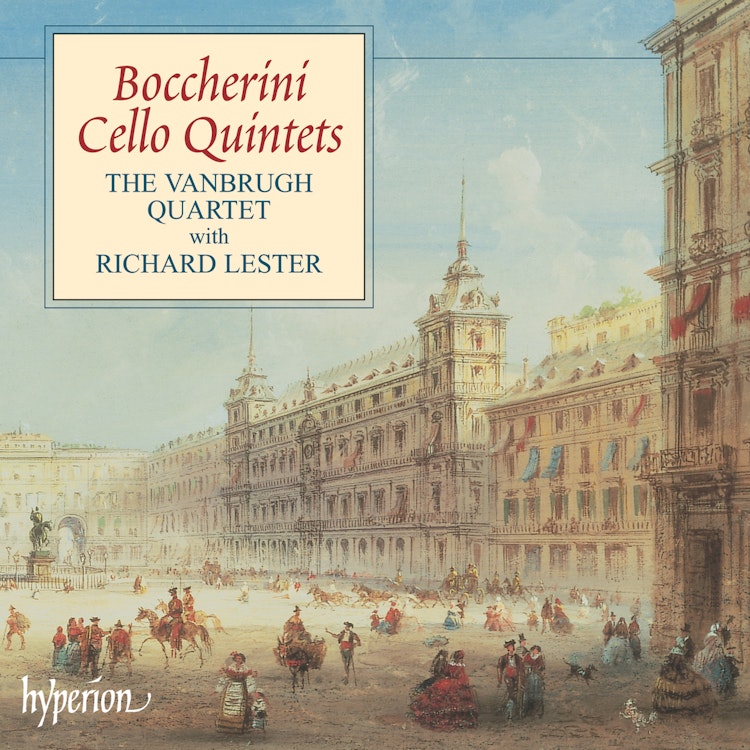
Boccherini's career shifted from a young virtuoso performer to a composer after he moved to Spain in 1768.
Composition History
Boccherini's most important patronage and stimulus for chamber music production came from abroad, specifically from the cello-playing Crown Prince Friedrich Wilhelm of Prussia, who later became king.
Critical Reception
The F minor and G minor quintets on this album were among Boccherini's personal favorites, as he stated in a letter to his publisher Pleyel.
Composition History
Boccherini was obliged to write exclusively for his patron, Don Luis (brother of King Carlos III of Spain), after receiving a salaried appointment as cellist and composer in 1770.
Compositional Technique
The string quintet with two cellos, a medium Boccherini made his own, came about almost by accident because his patron, Don Luis, already had a family string quartet (the Font String Quartet) on his musical staff.
Composer's Artistic Vision
Boccherini's use of two cellos in his quintets allowed him to exploit the instrument's full range, treating all five instruments as soloists.
Composer Biography
Luigi Boccherini's father, Leopoldo, was a double bass player, his brother Giovanni Gastone was an opera librettist for Salieri and Haydn, and his sister Maria Ester was a celebrated ballerina.
You might also enjoy...
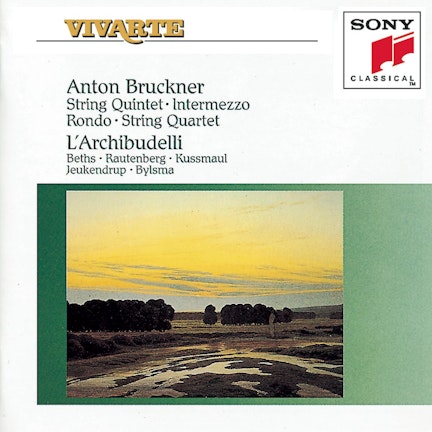
Bruckner: String Quintet in F Major; Intermezzo; Rondo & String Quartet in C Minor
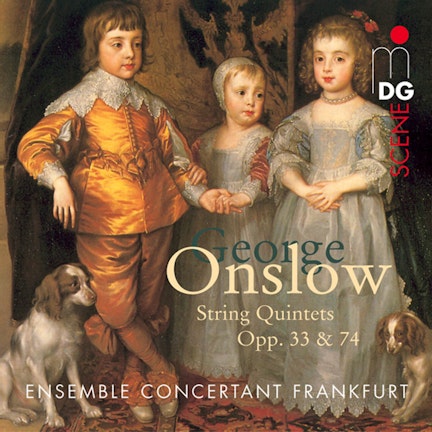
Onslow: String Quintets, Op. 33 & 74
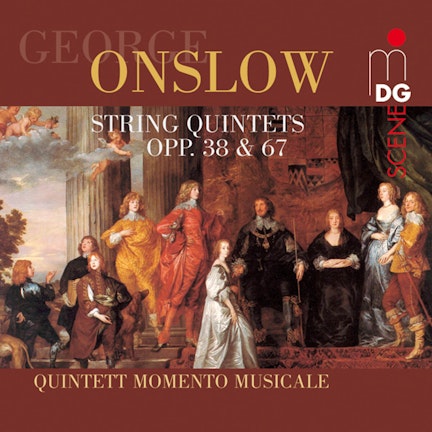
Onslow: String Quintets, Op. 38 & 67
Onslow: String Quintets, Vol. 5
The Romantic Room: Chamber Works by Spohr
The Mystery of Sign. Mouthon - 10 Concerti à 5
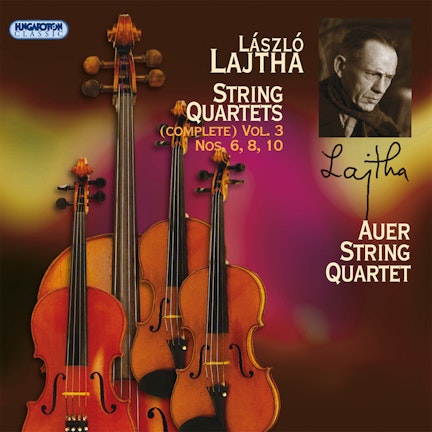
Lajtha, L.: String Quartets (Complete), Vol. 3
Beethoven and Schumann Cello Quintets
Louis Glass: String Sextet, Op. 15 & Piano Quintet, Op. 22
Dvorák: String Sextet - Tchaikovsky: Souvenir de Florence
Spohr: String Sextet, String Quintet & Potpourri on Themes of Mozart