This recording was made using 24-bit digital technology.
Compositional Technique
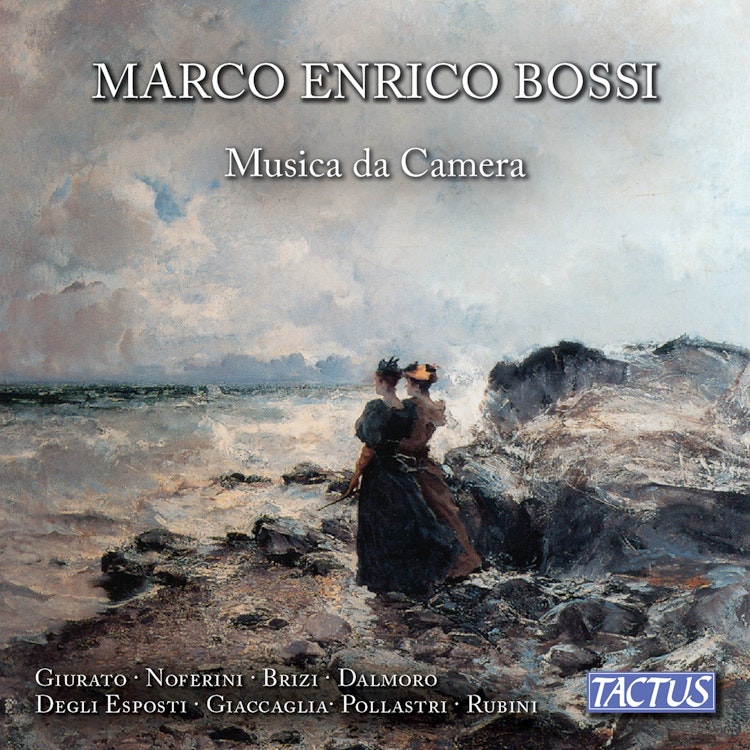
Marco Enrico Bossi's instrumental writing is characterized by long themes, melodic development from episodes, and intense progressions and crescendos, all supported by a strong, genuine inspiration.
Composer's Artistic Vision
Bossi aimed to affirm the Italian School of music, which he felt had been neglected compared to other European schools, and expressed his own musical language with nobility and personal accents.
Historical Context
In 19th-century Italy, opera dominated the musical landscape, causing chamber music to become a 'thin stream' compared to its earlier prominence from Corelli to Paganini.
Instruments
The album features a 13-key H.F. Meyer flute from 1896, a simple system flute strongly advocated by Italo Piazza, to whom Bossi dedicated his Siciliana e Giga.
Composer Biography
Marco Enrico Bossi, the composer, is known as the 'Prince of organists' for his creative contributions to organ music between the 19th and 20th centuries.
Critical Reception
After Bossi's death in 1925, his creative works were largely forgotten by Italian musicians who favored foreign styles, but international publishers recognized his importance.
You might also enjoy...
Barrios, Cristo: The Voice of the Clarinet
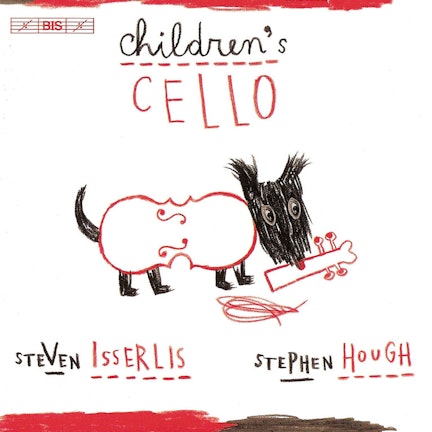
Children's Cello
Strange Flowers
Autour de Debussy
Karaindrou: Tous des oiseaux
Loudmouthed Beauty
Secret Memories
Lindberg, Christian: 10-Year Jubilee
Paul Chihara / Henry Cowell
Lazarof: Chamber Music
The Sibelius Edition, Vol. 13: Miscellaneous Works