Brahms's mother bought him a cello with her earnings as a seamstress, but his hands-on involvement with the instrument ended when his teacher absconded with it.
Interpretation
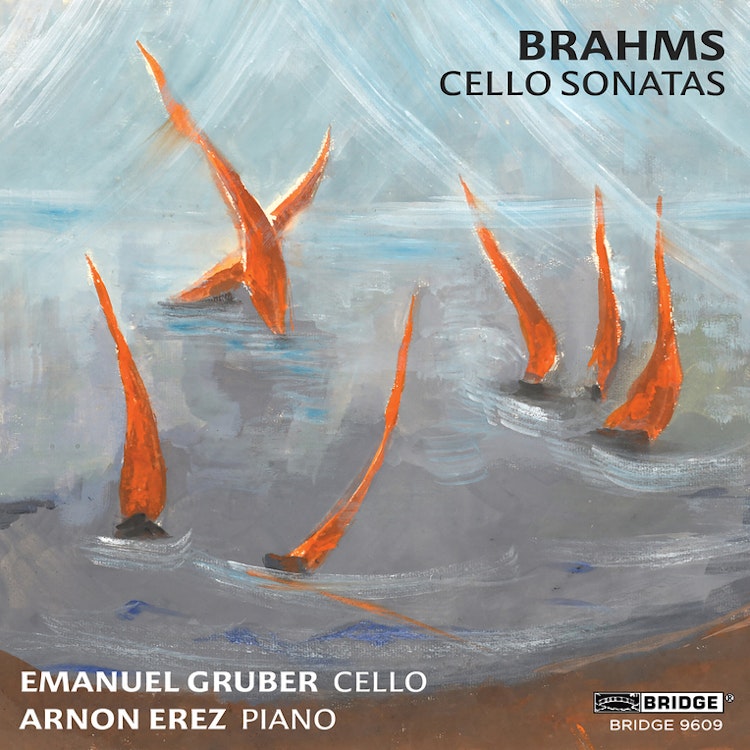
Emanuel Gruber, the cellist on this recording, describes the two Brahms Cello Sonatas as very different: Op. 38 conveys a reflective mood, while Op. 99 makes a powerful, heroic statement.
Compositional Technique
The First Cello Sonata includes a 'Quasi menuetto' movement, showcasing Brahms's antiquarian interests, and its finale features a fugal structure that salutes Beethoven and Bach.
Recording & Production
The Adagio from Brahms's Violin Sonata No. 1 (Op. 78) is included on this album in an arrangement for cello and piano made in 1897 by Paul Klengel, a violinist, pianist, conductor, and composer.
Composition History
Brahms often did his most concentrated work during summer getaways in the Austrian or Swiss countryside, though some pieces, like his First Symphony, underwent long gestations.
Composer Biography
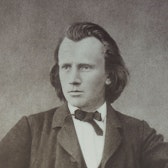
Johannes Brahms, the composer, began his musical studies at age four, learning violin, horn, cello, and piano, though he excelled on piano.
Composer's Artistic Vision
Many music-lovers describe the sound of the cello with words like 'rich,' 'warm-hearted,' 'noble,' and 'dignified,' which are also often used to describe Brahms's music.
You might also enjoy...
Aurora
Schumann: Pièces pour violoncelle et piano, Op. 70, 73 & 102
The Pre-Raphaelite Cello
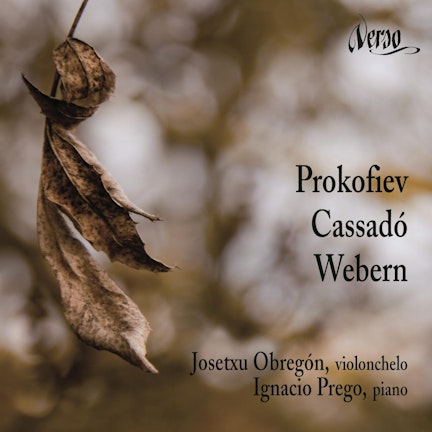
Prokofiev – Cassadó – Webern: Music for cello and piano
Brahms: Cello Sonatas & Songs
Echoes
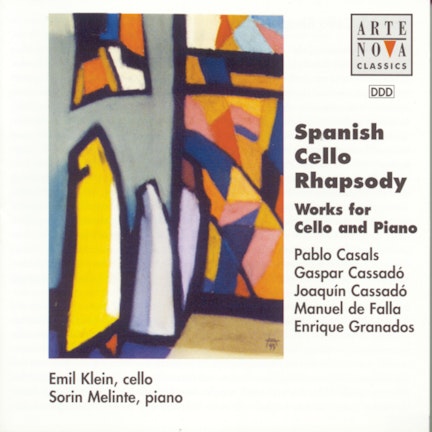
Spanish Cello Rhapsody
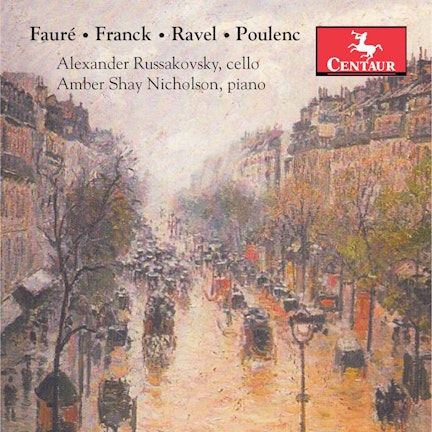
Fauré, Franck, Ravel & Poulenc: Works for Cello & Piano
A Cello Galaxy of British Women Composers
Brahms Works for Cello and Piano
Brahms Works for Cello and Piano
Roslavets: Music for Cello and Piano (Complete)
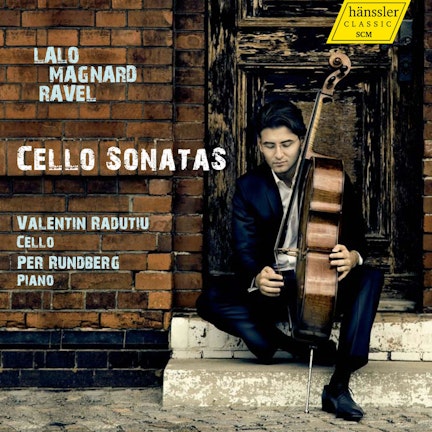
Cello Sonatas
Kreutzer-Sonata and other works for violoncello & piano