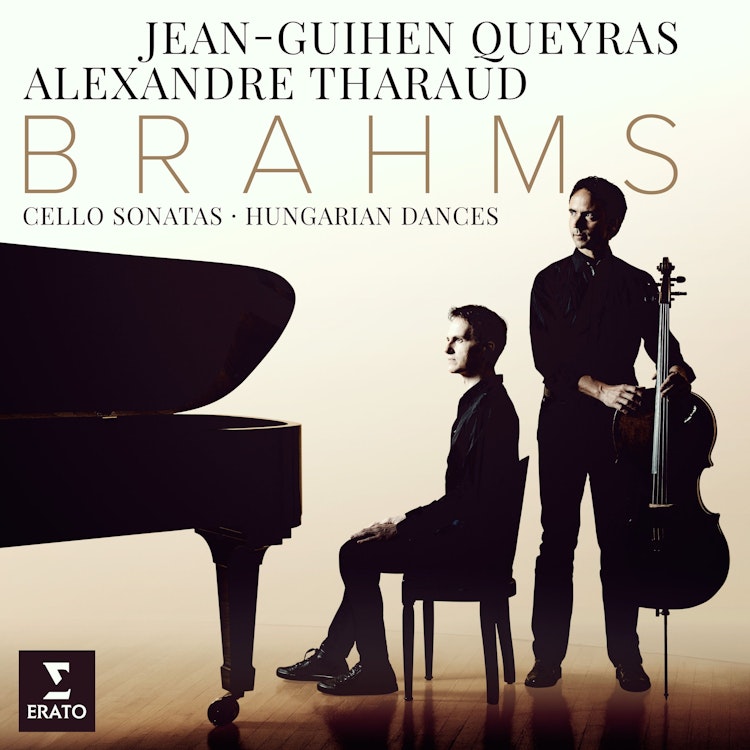
Brahms: Cello Sonatas Nos 1, 2 & 6 Hungarian Dances
1/19/2018, 13 Tracks, 1:11:31
Featuring
Jean-Guihen Queyras
Alexandre Tharaud
Johannes Brahms
Did you know?
1/7
Composition History
Brahms's Hungarian Dances were inspired by Gypsy music, introduced to him by violinist Eduard Reményi, with whom he toured in his youth.
Composer Biography
Brahms was known as one of the "three Bs" (along with Bach and Beethoven) in Germany, where he was honored and admired.
Critical Reception
The bold harmonies of Brahms's Cello Sonata No. 2, Op. 99, troubled its first audience, including his close friend Theodor Billroth.
Composer's Artistic Vision
According to Claude Rostand, Brahms was the first composer after Beethoven to achieve a unique balance between inspiration and scientific rigor in his chamber music.
Composition History
Brahms composed several major works, including the Cello Sonata No. 2, Op. 99, during three summers spent by Lake Thun in Switzerland, enjoying the landscape.
Instruments
Jean-Guihen Queyras, the cellist on this recording, plays a Gioffredo Cappa cello from 1696, lent by Mécénat Musical Société Générale.
Composition History
Brahms's First Cello Sonata, Op. 38, was sketched in 1862, a time when he was in conflict with proponents of "the music of the future" like Liszt and Wagner.
You might also enjoy...
Chopin & Alkan: Sonates pour violoncelle et piano, Op. 65 & Op. 47
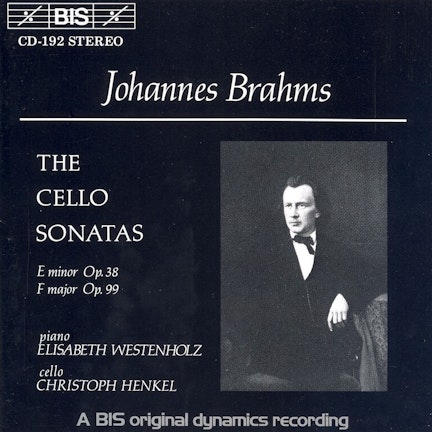
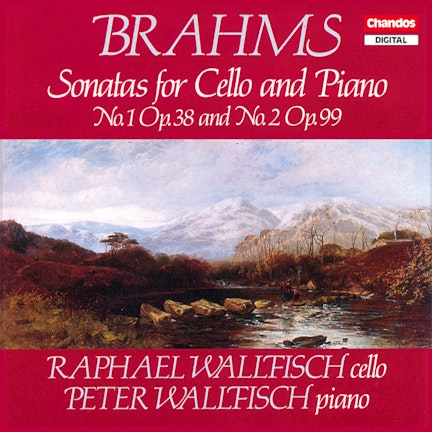
Brahms: Cello Sonatas No. 1 and 2
Reinecke: Complete Works for Cello & Piano
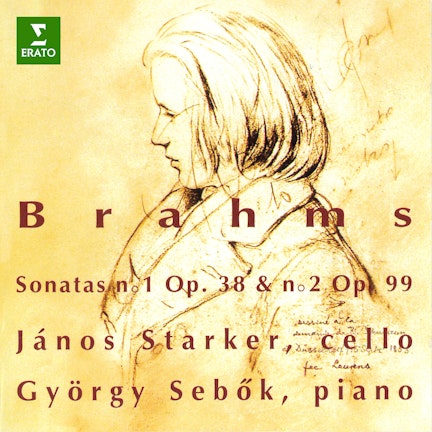
Brahms: Cello Sonatas Nos. 1 & 2
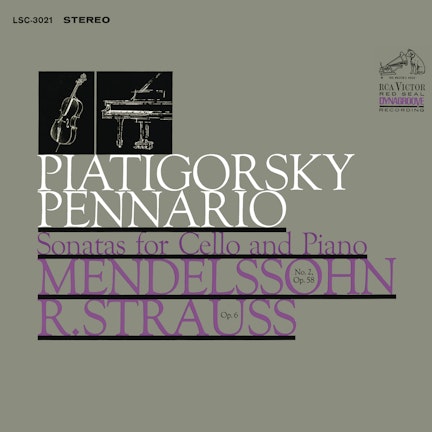
Mendelssohn-Bartholdy: Cello Sonata No. 2 in D Major & Strauss: Cello Sonata in F Major
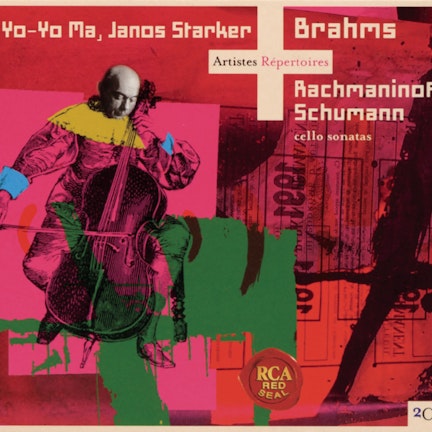
Brahms/Schumann/Rachmaninov: Chamber Music
Chopin & Franck: Cello Sonatas
Chopin & Brahms: Cello Sonatas
Brahms: Cello Sonatas
Sonatas for Violoncello and Piano
Rachmaninov: Cello Sonata in G Minor, Op. 19
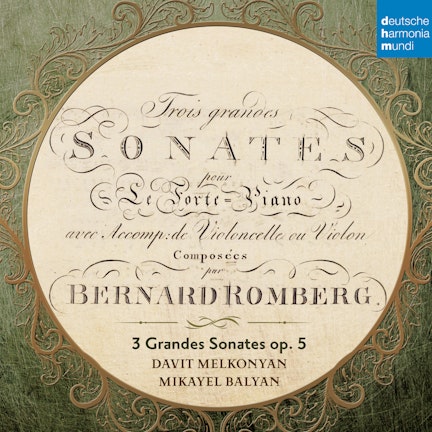
B. Romberg: Sonaten für Hammerklavier und Cello op. 5