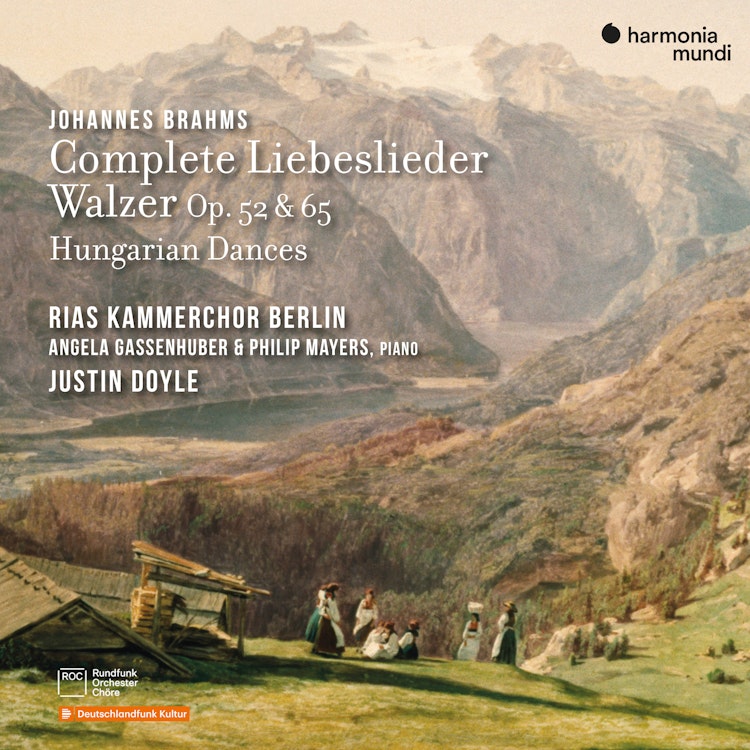
Brahms was inspired to compose the Liebeslieder-Walzer by the texts of Georg Friedrich Daumer, which were free adaptations of Russian, Polish, and Hungarian originals.
Composition History
The Liebeslieder-Walzer Op. 52 were originally published with the title 'Liebeslieder, Walzer für das Pianoforte zu vier Händen (und Gesang ad libitum)' in 1869.
Composer's Artistic Vision
Brahms's Hungarian Dances, like Franz Liszt's Hungarian Rhapsodies, were inspired more by Gypsy music than by strict Magyar folklore.
Notable Performances
The Liebeslieder-Walzer Op. 52 were first performed on October 6, 1869, at a Karlsruhe Hofkapelle subscription concert, with Clara Schumann and Hermann Levi at the piano.
Compositional Technique
In the Hungarian Dances, Brahms focused on emotional power and striking rhythmic and tonal changes, alternating slow ('lassú') and fast ('friss') passages, characteristic of the style.
Composition History
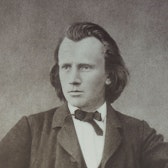
Johannes Brahms's vocal quartets, including the Liebeslieder Walzer, were partly a response to high demand from music lovers of the 19th century for domestic music suitable for home performance.
Composer Biography
Brahms began composing his Hungarian Dances in 1858, conceiving them specifically for piano four hands, after being introduced to Hungarian folk music by violinist Ede Reményi.
You might also enjoy...
Brahms: Liebeslieder & Walzer
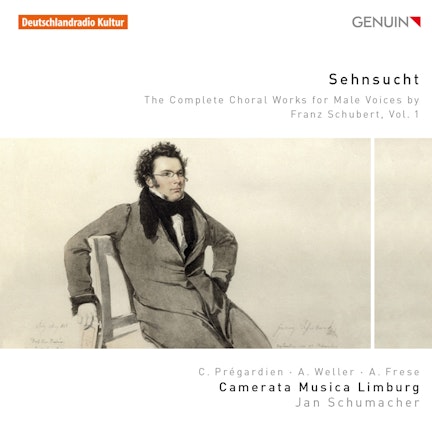
Schubert: Choral Works
Brahms: Female Choruses - Schubert: Three Choruses