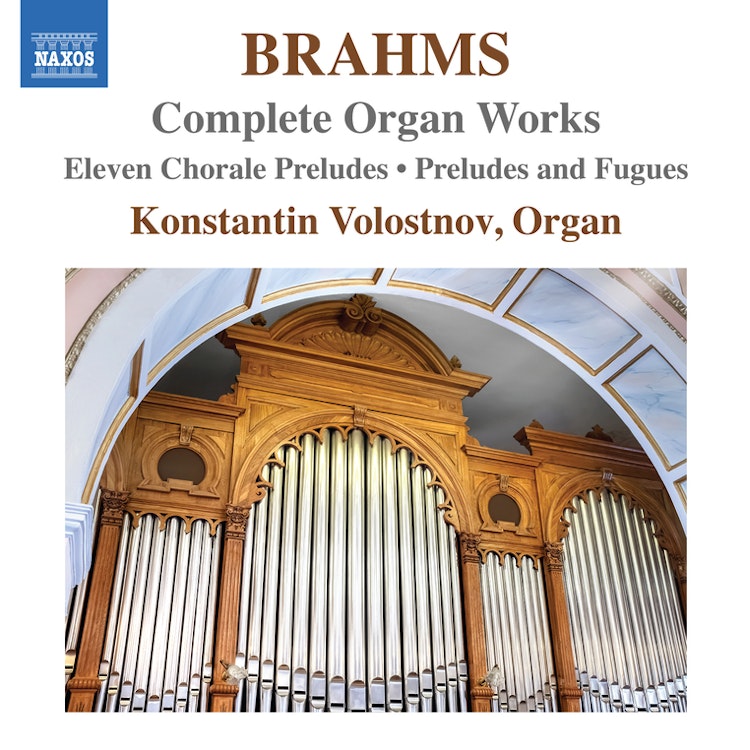
This album includes two bonus tracks: an alternative registration for 'Schmücke dich, o liebe Seele' and an alternative ending for 'Herzlich tut mich verlangen,' which resulted from a publishing error but gained popularity.
Instruments
The Röver organ in Moscow is the only fully intact instrument by Ernst Röver, a German organ builder who pioneered a responsive windchest system based on air injection.
Composer Biography
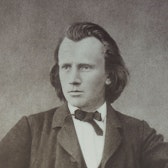
Johannes Brahms considered the organ an instrument 'for home use,' confiding only his most intimate feelings to it and rarely performing on it publicly.
Composition History
Brahms's early organ works were exercises in counterpoint, inspired by his friendship with Clara Schumann and Joseph Joachim, with whom he exchanged contrapuntal exercises weekly.
Instruments
The Röver organ (1898) used for this recording is a 'German Romanticist' instrument with a predominance of 8-foot stops, known for its soft and unified sound.
Composer's Artistic Vision
Brahms, a deeply religious person, saw the organ as an embodiment of 'sober prudence, rigour and objectivity,' linking it to the Protestant spiritual tradition.
Composition History
The Eleven Chorale Preludes, Op. 122, were written at the end of Brahms's life, during a period of significant personal loss, including the death of Clara Schumann.
You might also enjoy...
Orgeln i Gamleby
Hymns of Joy and Sorrow
Chr. Müller organ: Live at the St. Bavo
L'Organiste Parisien
Liszt: Orgelwerke, Vol. 2
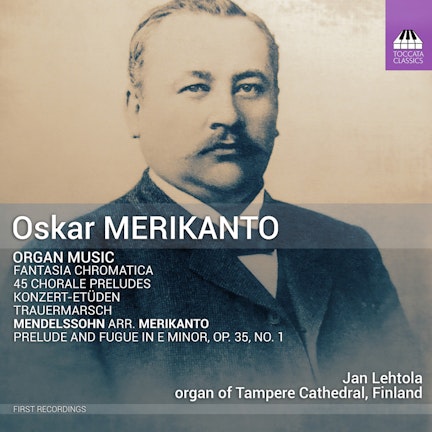
Oskar Merikanto: Organ Music
The French Symphonic Organ at Artisten
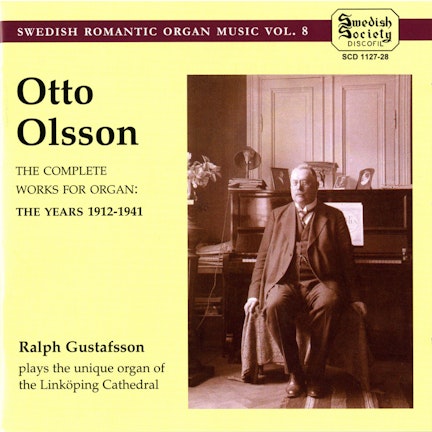
Olsson, Otto - Swedish Romantic Organ Music, vol 8
César Franck – Six Pièces
Dupré: Complete Organ Works Vol. 10
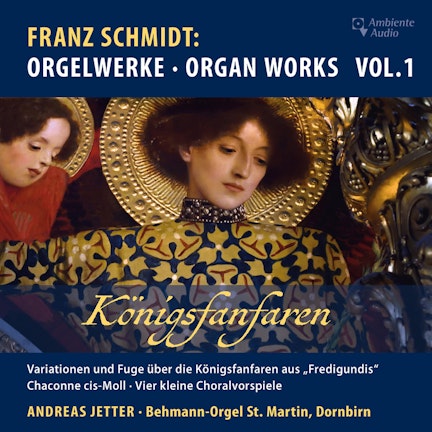
Franz Schmidt: Organ Works Vol. 1
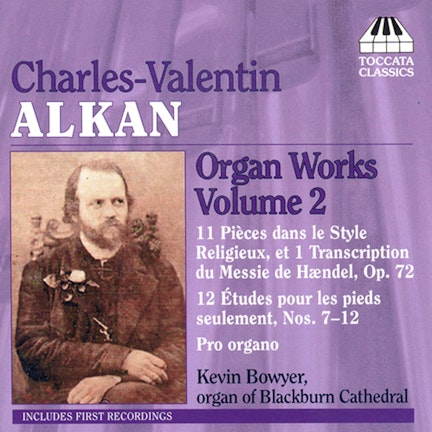
Alkan: Organ Works, Vol. 2 - 11 Pieces in A Religious Style / 12 Etudes for Pedals Only / Pro Organo