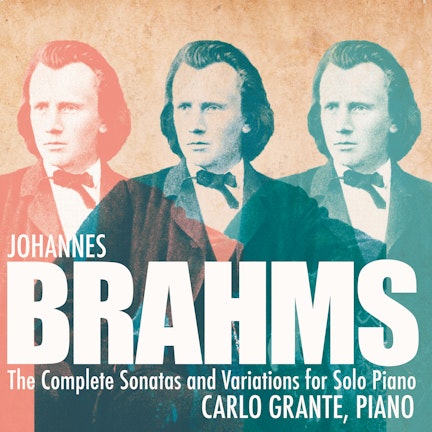
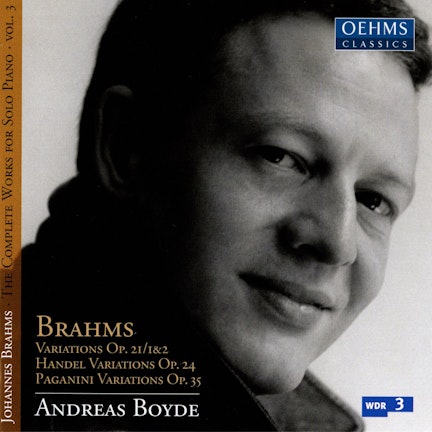
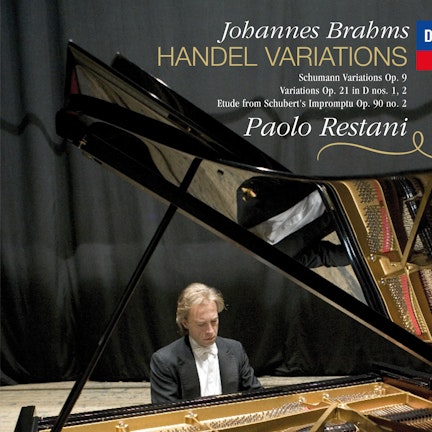
Brahms considered himself a connoisseur of variation technique, an art he absorbed early in his career, possibly from his piano teacher Eduard Marxsen.
Composition History
Brahms's Variations on a theme by Schumann, Op. 9, his first true masterpiece in the genre, was composed near the Schumann household in Düsseldorf during Robert Schumann's confinement in an asylum.
Composition History
Brahms dedicated his Variations on a theme by Paganini, Op. 35, to Carl Tausig, a favorite pupil of Liszt, possibly to demonstrate his mastery of the new style of piano writing.
Compositional Technique
In the manuscript of his Schumann Variations, Brahms signed lyrical variations with 'B' (for Brahms) and faster ones with 'Kr' (for 'Johannes Kreisler Junior'), emulating Schumann's practice of assigning parts to 'Eusebius' and 'Florestan'.
Composer's Artistic Vision
Brahms's Variations and Fugue on a theme by Handel, Op. 24, served as his first major compositional statement against Liszt's 'New German School', which advocated literary tone-poems and Wagnerian music-drama.
Composer Biography
Johannes Brahms, the composer, focused his piano output on variations and shorter pieces after composing his three sonatas between 1851-1854.
Composition History
Brahms's Theme and Variations in D minor is a piano transcription of the slow movement from his String Sextet in B flat major, Op. 18, made at the request of Clara Schumann for her birthday.
You might also enjoy...
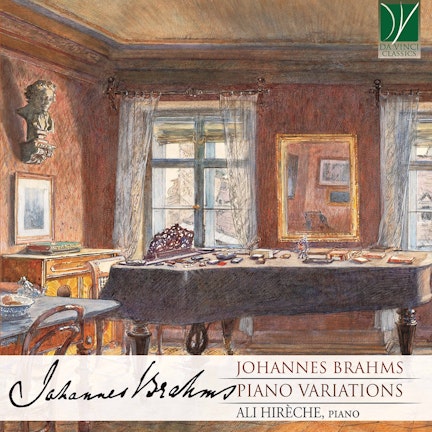
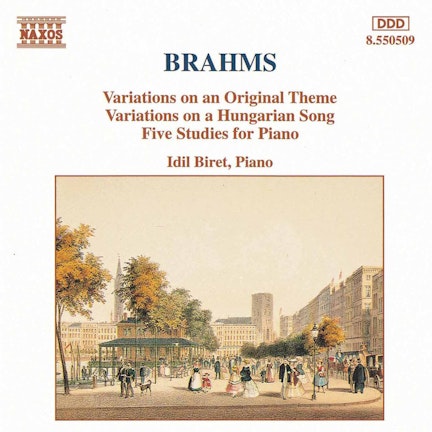
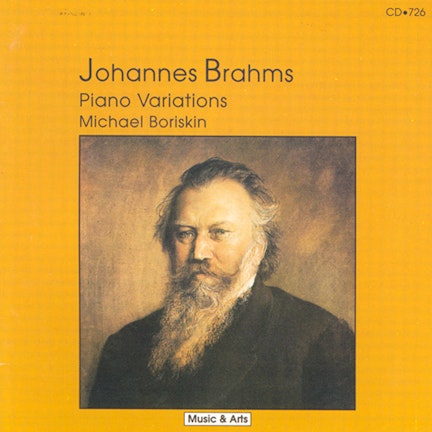
Brahms: Piano Variations
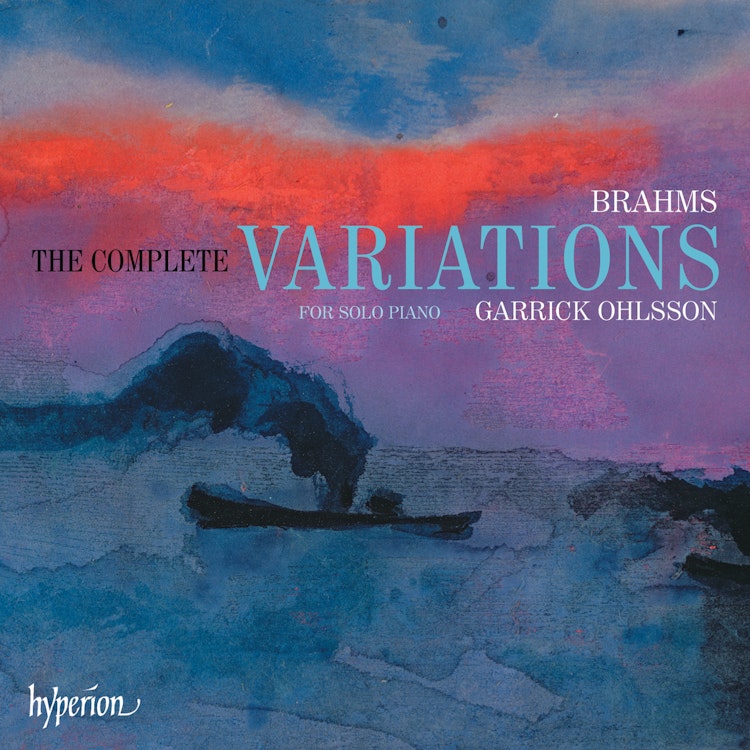
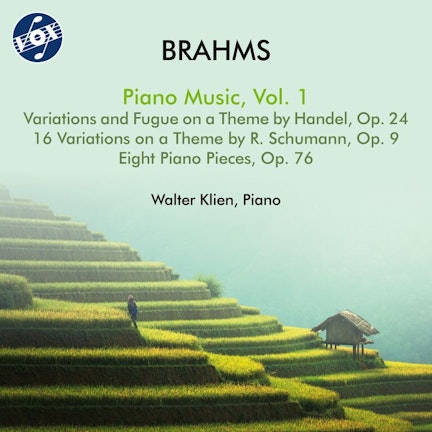
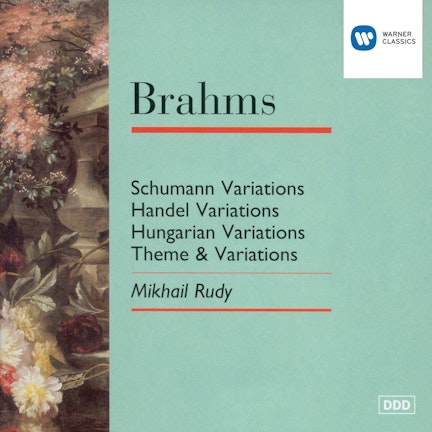
BRAHMS: Variations Opp. 9, 24 & 35
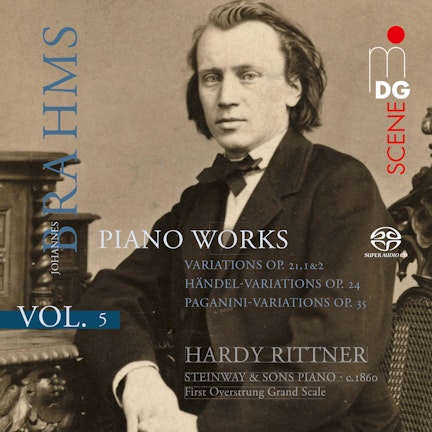
Brahms: Complete Piano Music, Vol. 5
Brahms: Variations, Op. 21 - 5 Piano Studies
Brahms: Variations on a Theme by Robert Schumann in F-Sharp Minor, Op. 9; Kinderszenen, Op. 15; Variations and Fugue on a Theme by Handel in B-Flat Major, Op. 24