The second movement of the Piano Concerto No. 1, Adagio, originally bore the motto "Benedictus qui venit in nomine Domini," likely referring to Robert Schumann, whom Brahms sometimes called 'Mein Herr Domine.'
Composition History
Brahms's Piano Concerto No. 1 in D minor originated in 1854 as a symphony, then a sonata for two pianos, before being transformed into a concerto with the help of Julius Grimm and Clara Schumann.
Performer Biography
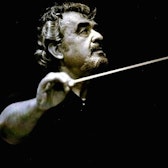
Walter Weller, the conductor, became a member of the Vienna Philharmonic at age 17 and later founded the successful Weller Quartet, whose complete recordings were re-released in 2006.
Compositional Technique
The Piano Concerto No. 1 was criticized for its overly symphonic character and its departure from traditional concerto form, integrating the piano more intimately with the orchestra.
Critical Reception
The premiere of Brahms's Piano Concerto No. 1 in Hanover in 1859 was a 'flop,' and a subsequent performance in Leipzig was even worse, met with whistling from the audience.
Compositional Technique
In the Variations on a Theme by Haydn, Brahms treats the traditional St. Anthony Chorale radically, focusing on structure and bass line rather than just melody, leading to a varied and free atmosphere.
Composer Biography
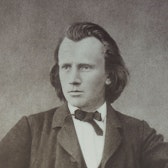
Brahms, despite his later image as an 'old' adult, was a great seducer in his youth, signing compositions as 'Johannes Kreisler Jr.'
You might also enjoy...
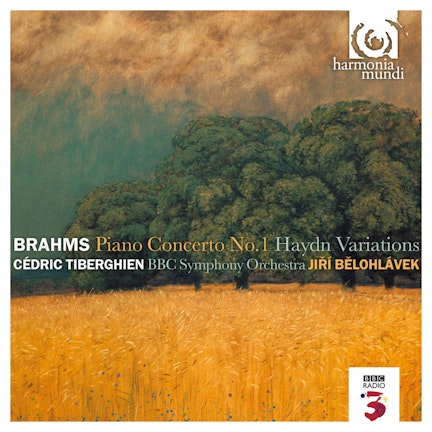
Brahms: Piano Concerto No. 1
Brahms: The Piano Concertos; Tragic Overture; Haydn Variations
Brahms: Piano Concertos; Haydn Variations; Tragic Overture
Brahms: Piano Concerto No. 2 in B-Flat Major, Op. 83 & Variations on a Theme by Haydn, Op. 56a
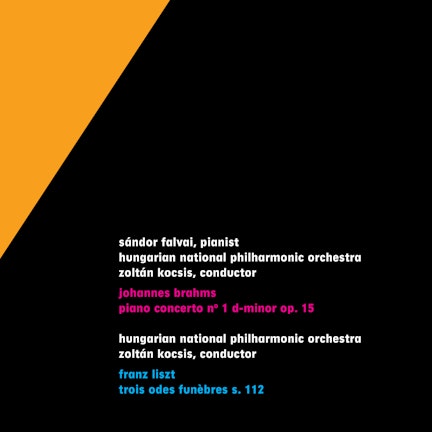
Brahms: Piano Concerto No. 1 Op. 15 & Liszt: Trois odes funèbres S. 112
Brahms: The Concerto Album
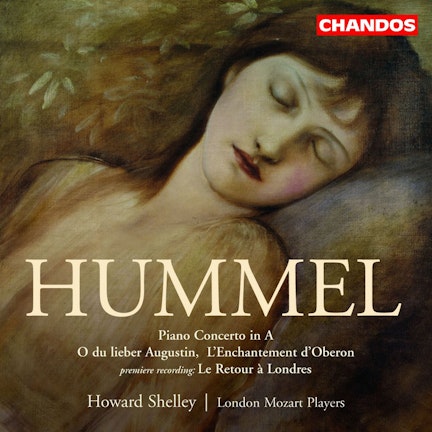
Hummel: L'Enchantement D'Oberon / Le Retour De Londres / Piano Concerto in A Major
Merikanto, A.: Piano Concertos Nos. 2 and 3 / 2 Studies for Small Orchestra / 2 Pieces for Orchestra
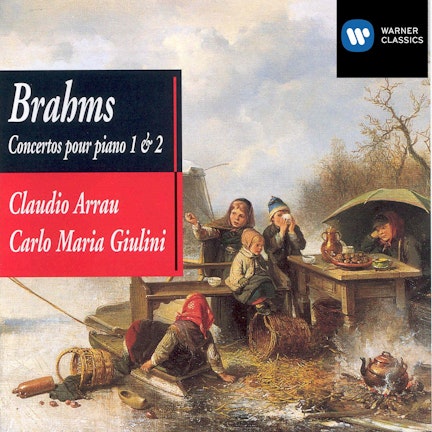
Brahms: Piano Concertos Nos.1 & 2/Haydn Variations etc.
Tansman: Piano Concertino - Stele in memoriam Igor Stravinsky - Piano Concerto for the Left Hand
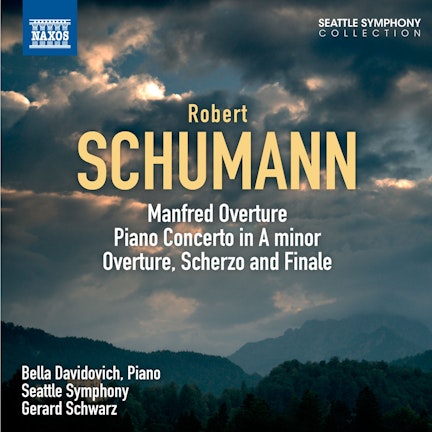
Schumann: Manfred: Overture - Piano Concerto - Overture, Scherzo and Finale