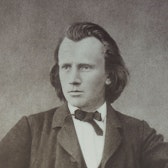
Brahms described his Hungarian Dances as 'true gypsy children, which is to say that I did not beget them, but only raised them with bread and milk'.
Composer Biography
Brahms learned the melodies for his Hungarian Dances from Eduard Reményi, a Hungarian concert violinist living in Hamburg.
Composition History
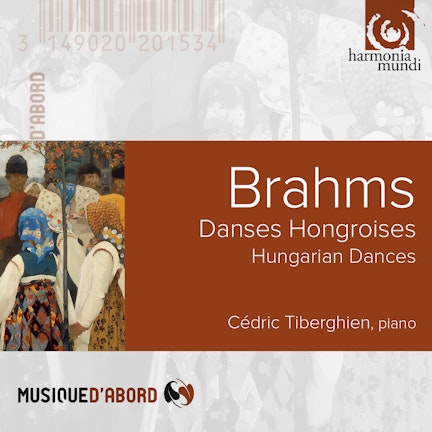
Brahms's Hungarian Dances, WoO 1, were originally published in 1869 as a collection for piano four hands and proved to be very financially lucrative.
Performer Biography
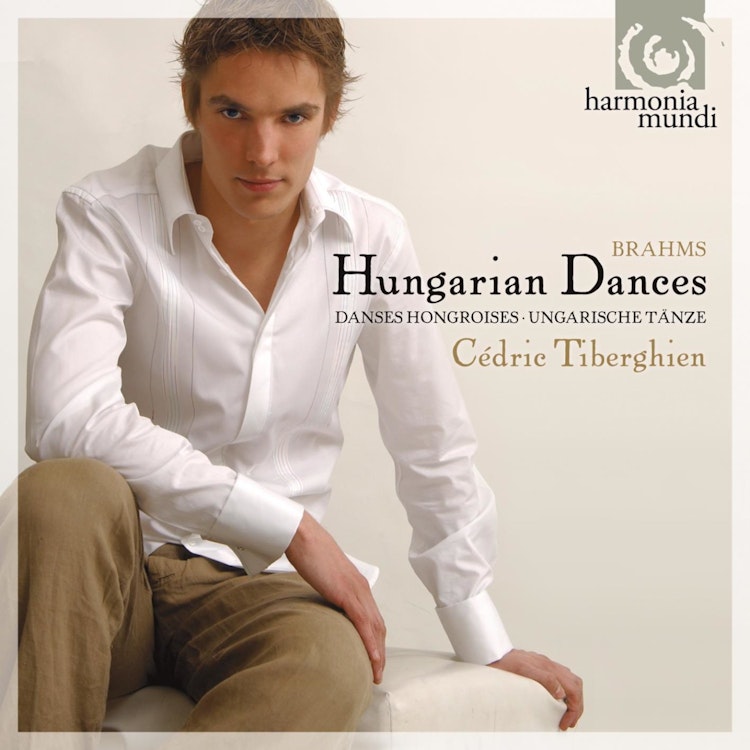
Cédric Tiberghien, the pianist on this album, won the First Grand Prix and five other special prizes at the 1998 Marguerite Long-Jacques Thibaud Competition.
Composition History
Brahms's Eight Klavierstücke op. 76 were written in 1878, almost at the same time as his Violin Concerto.
Critical Reception
Clara Schumann, a renowned pianist and close friend of Brahms, found the first piece of his Eight Klavierstücke op. 76 'dreadfully difficult'.
Historical Context
The Viennese critic Eduard Hanslick, to whom Brahms dedicated his Sixteen Waltzes op. 39, attributed Brahms's venture into waltzes to the influence of Vienna.
You might also enjoy...
Brahms: Hungarian Dances
Kiel: Piano Works
Sibelius: Piano Music, Vol. 1
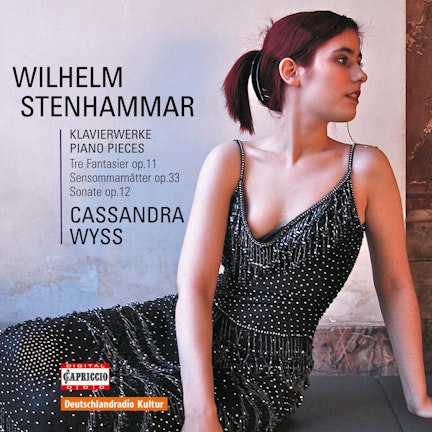
Stenhammar: Piano Pieces
Franck: Prélude, fugue et variations, Prélude, aria et finale & Prélude, choral et fugue
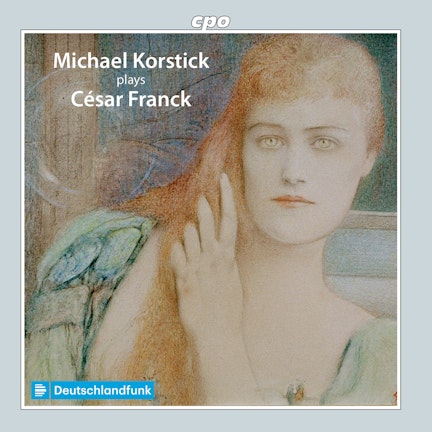
Franck: Piano Works
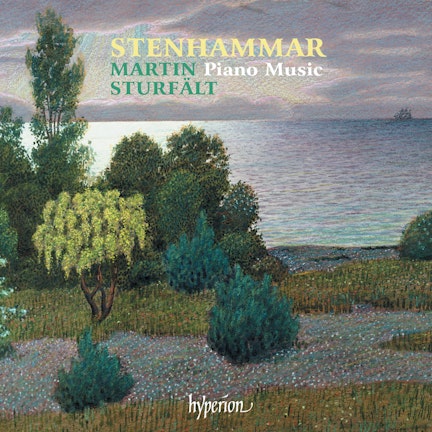
Stenhammar: Piano Music
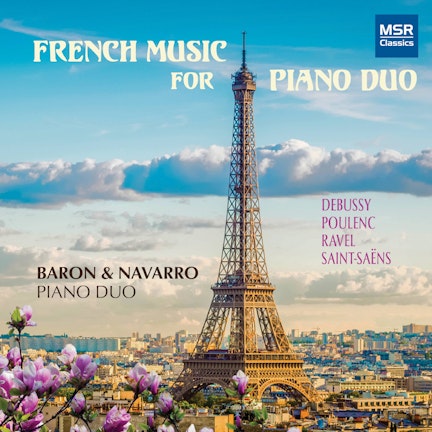
French Music for Two Pianos - Debussy, Poulenc, Ravel and Saint-Saëns