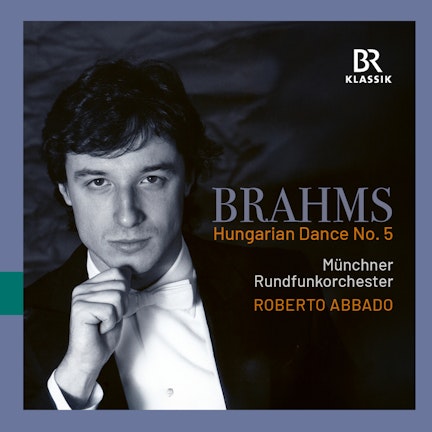
Brahms: Hungarian Dances Nos. 1-10 (version for orchestra)
5/2/2025, 10 Tracks, 27:22
Featuring
Roberto Abbado
Münchner Rundfunkorchester
Johannes Brahms
Did you know?
1/7
Historical Context
Hungarian folk music and melodies from itinerant musicians were immensely popular in Western Europe from the early 19th century, fueling a 'gypsy romanticism'.
Cultural Impact
Brahms's Hungarian Dances were extremely popular from their inception and remain among his best-known works today.
Composition History
Brahms's Hungarian Dances for piano four hands were composed starting around 1858, with the first ten published in 1869 and the rest in 1880.
Critical Reception
Despite early printed editions identifying Brahms as the arranger, fierce disputes arose regarding the authorship of the Hungarian Dances' melodies.
Performer Biography
Roberto Abbado, the conductor on this album, was awarded the prestigious 'Premio Abbiati' by the Italian Music Critics Association for his interpretative maturity and repertoire.
Composer Biography
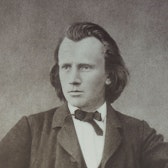
Johannes Brahms learned about Hungarian melodies and scales from Hungarian violinist Eduard Reményi, with whom he toured Germany in 1853.
Performer Biography
The Münchner Rundfunkorchester, founded in 1952, is known for its diverse programming, ranging from opera to film music, and for unearthing unjustly neglected works.