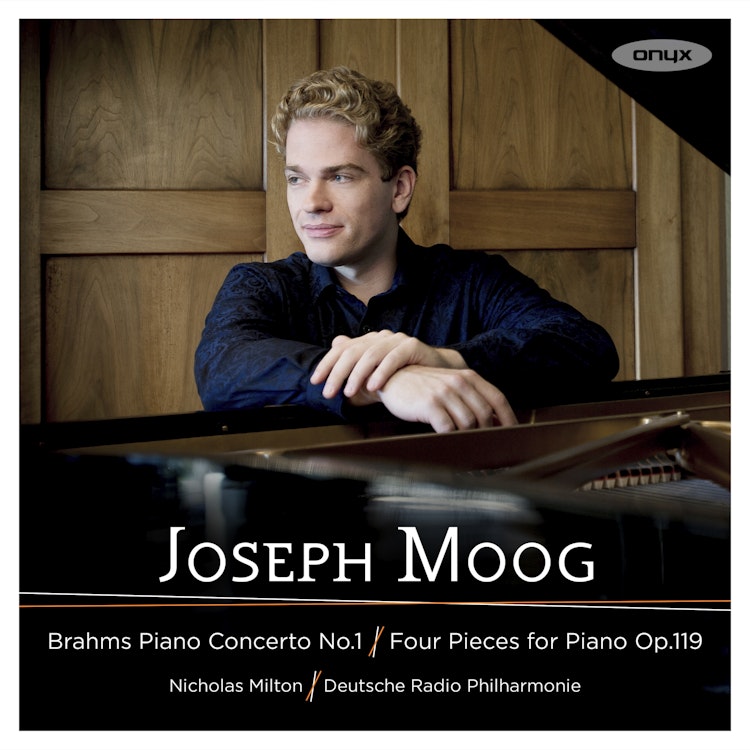
Brahms: Piano Concerto No. 1, Four Piano Pieces Op. 119
11/27/2020, 7 Tracks, 1:02:07
Featuring
Joseph Moog
Nicholas Milton
Deutsche Radio Philharmonie Saarbrücken Kaiserslautern
Johannes Brahms
Did you know?
1/7
Cultural Impact
Despite its eventual status, the D minor Piano Concerto only became one of the most popular concertos in the 1950s, having been recorded just five times during the entire shellac era.
Historical Context
The D minor Piano Concerto's origins are directly linked to Robert Schumann's suicide attempt in 1854, which prompted Brahms to compose tormented music for two pianos.
Composition History
Brahms initially conceived the D minor Piano Concerto as a three-movement sonata, then a four-movement symphony, before a dream led him to transform it into a piano concerto.
Composer Biography
Brahms's late piano works, Opp. 118 and 119, were inspired in part by the playing of the young Hungarian pianist Ilona Eibenschütz, who was the first to hear him play them.
Compositional Technique
The tumultuous first movement of Brahms's D minor Piano Concerto is one of the longest in the entire concerto repertoire, featuring a lengthy orchestral introduction before the soloist's entry.
Composition History
Brahms's D minor Piano Concerto, his first great orchestral work, had a long gestation period, taking from 1854 to 1859 to premiere.
Critical Reception
The D minor Piano Concerto was initially met with a mixed reception, being "politely received" in Hanover but "hissed" in Leipzig, where critics found it too difficult and tragic.
You might also enjoy...
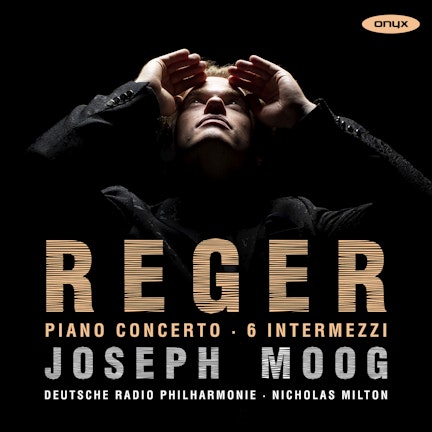
Reger: Piano Concerto, 6 Intermezzi
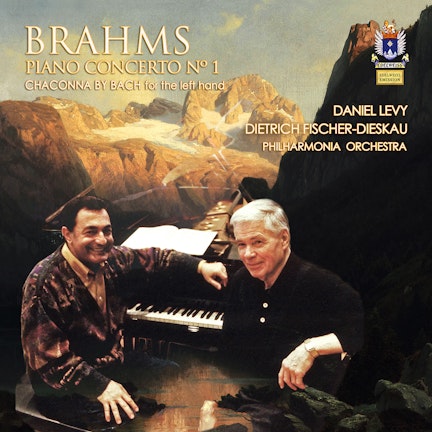
Brahms: Piano Concerto No. 1 in D Minor & Chaconne by J.S. Bach from 5 Studies for the Piano
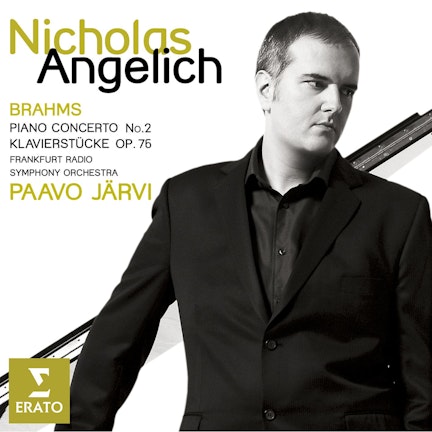
Brahms : Piano Concerto no.2 - Piano works opus 76
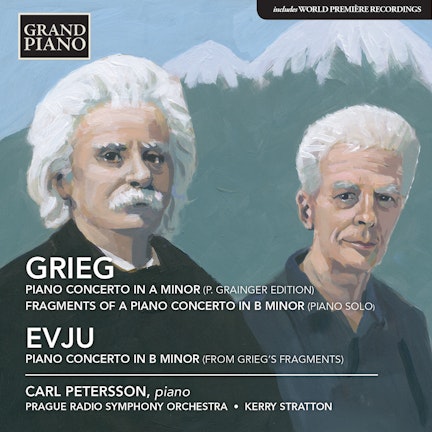
Grieg & Evju: Works for Piano
Brahms: Piano Concertos Nos. 1 & 2 and Intermezzi
Biret Concerto Edition, Vol. 9
Dvořák: Piano Concerto in G Minor & Poetic Tone Pictures
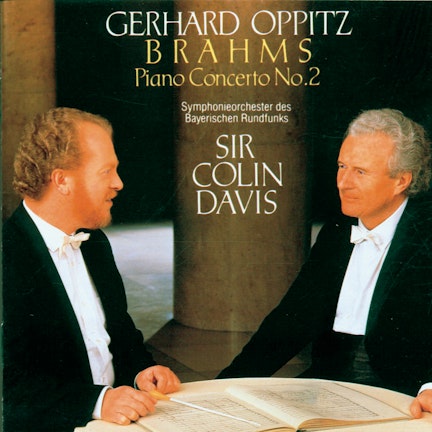
Brahms: Cto. No. 2 - Bavarian Radio
Brahms: Piano Concerto No. 1 & Six Piano Pieces Op. 118
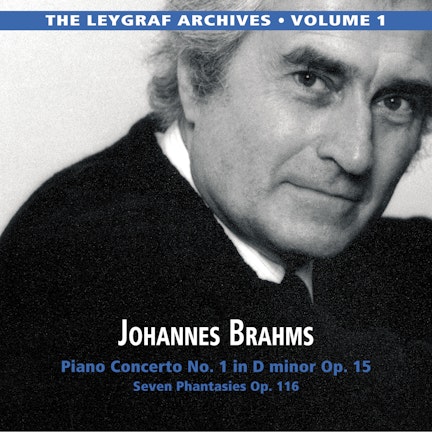
The Leygraf Archives, Vol. 1: Brahms — Piano Concerto No. 1 in D Minor