Brahms found the purest enjoyment of Bach's Chaconne from the Violin Partita in D minor by playing it with his left hand alone, feeling like a violinist.
Performer Biography
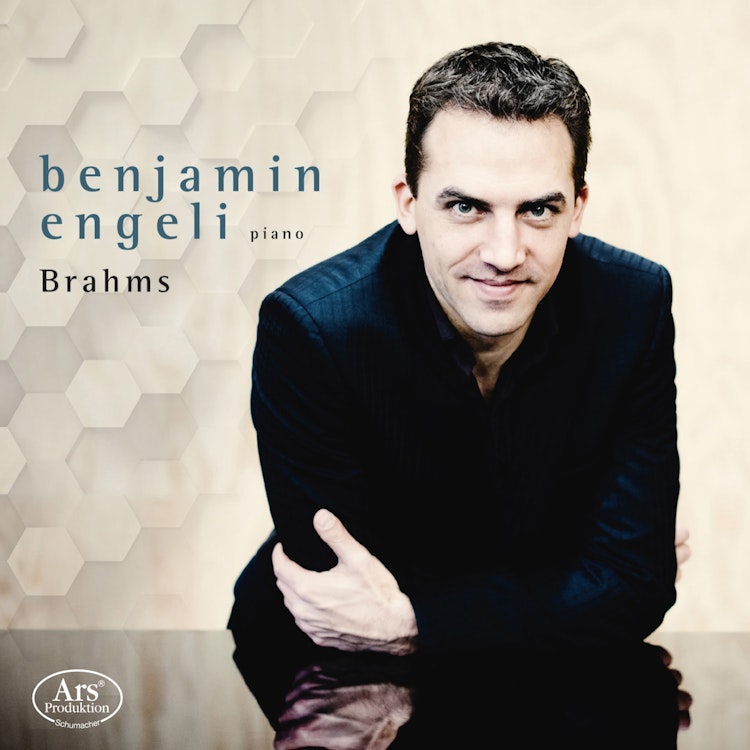
Benjamin Engeli, the pianist on this album, is a versatile musician who has performed as a soloist and chamber musician in major concert halls worldwide and teaches piano at the State Music Conservatory of Vorarlberg.
Compositional Technique
Brahms focused on the tension between overwhelming emotions and clear formal structure in his piano works, rather than developing virtuoso piano technique.
Composer's Artistic Vision
Johannes Brahms believed that anyone interpreting his piano music must prioritize the composer's deep emotional world over external effects or virtuosic brilliance.
Composition History
Brahms' publisher, Simrock, suggested the title 'Rhapsodies' for his Op. 79 piano pieces, as 'Caprices' (Brahms' original title) sounded bland and unprofitable, and 'Rhapsodies' were popular due to Franz Liszt.
Critical Reception
Clara Schumann, Brahms' lifelong friend, found his Intermezzi Op. 117 to be spiritually demanding, requiring a deep understanding of Brahms' intentions despite not being technically difficult.
Composer's Artistic Vision
Johannes Brahms held immense admiration for J.S. Bach, stating, 'Study Bach, there you will find everything!' and making several arrangements of Bach's works.
You might also enjoy...
Strauss: Five Piano Pieces, Sonata in B Minor, Evocations