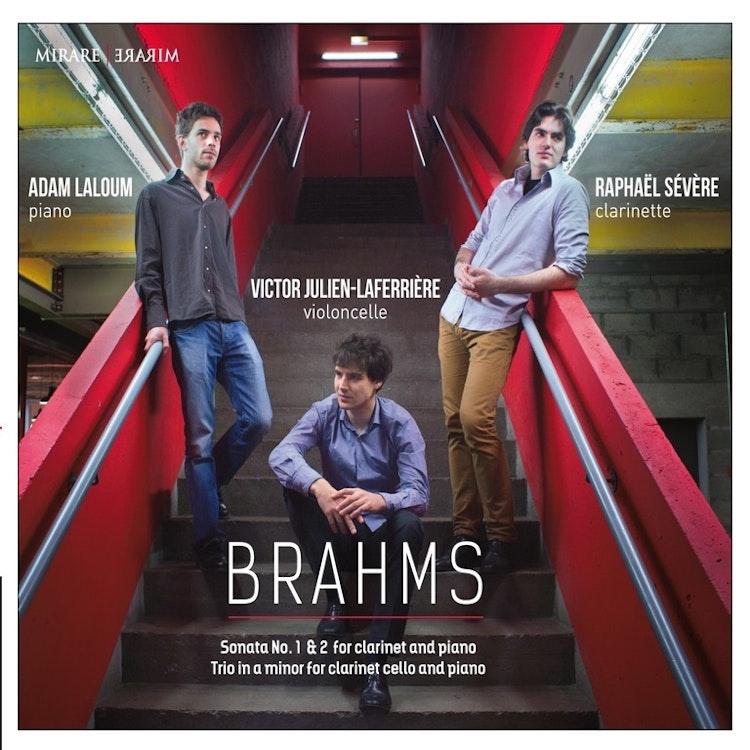
Brahms: Sonata No. 1 & 2 for Clarinet and Piano - Trio in A Minor for Clarinet, Cello and Piano
9/22/2014, 11 Tracks, 1:11:38
Featuring
Raphaël Sévère
Victor Julien-Laferrière
Adam Laloum
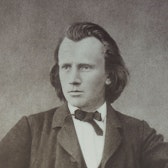
Johannes Brahms
Did you know?
1/7
Performer Biography
Raphaël Sévère, the clarinettist on this album, won the Tokyo Competition at age 12 and the prestigious Young Concerts Artists International Auditions in New York in 2013.
Composition History
The two Sonatas for clarinet and piano Op.120 were Brahms's very last chamber works, written in 1894.
Composition History
Brahms composed the Trio for clarinet, cello and piano Op.114 in A minor during the summer of 1891 at Bad Ischl, a holiday resort where he went to relax.
Critical Reception
The public premiere of the two clarinet sonatas in Vienna in early 1895 was so successful that Brahms and Mühlfeld performed them in several Austrian and German cities.
Compositional Technique
Brahms also provided transcriptions of his two clarinet sonatas for viola and piano, noting that the timbre and range of the viola suited the substitution.
Composer's Artistic Vision
For Brahms, the clarinet became an intimate correspondence with his own feelings, an 'alter ego', much like it was for Mozart.
Composer Biography
Brahms was inspired to write works for clarinet after being dazzled by the playing of Richard Mühlfeld, principal clarinettist of the Meiningen court orchestra, in 1891.
You might also enjoy...
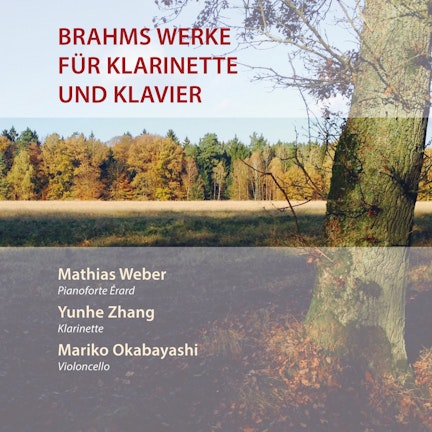
Brahms' Werke für Klarinette und Pianoforte
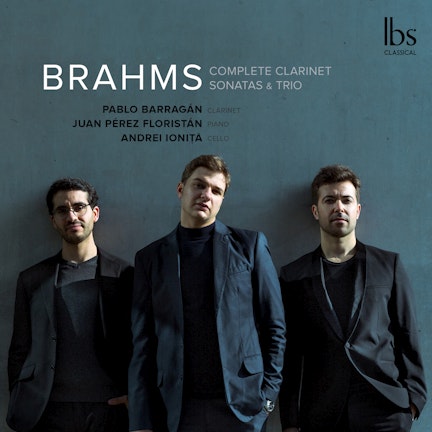
Brahms: Complete Clarinet Sonatas & Trio
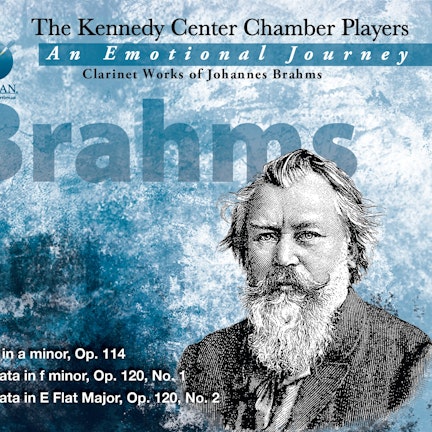
Brahms, J.: Trio for Clarinet, Cello and Piano, Op. 114 / Clarinet Sonatas Nos. 1 and 2 (The Kennedy Center Chamber Players)
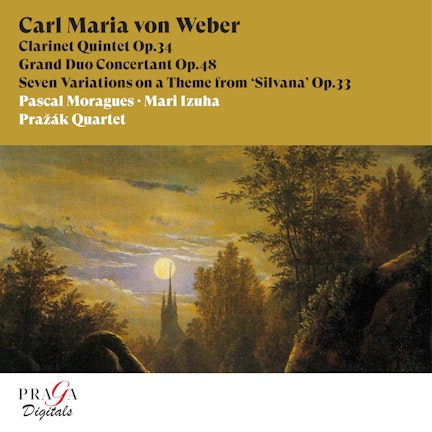
Carl Maria von Weber: Clarinet Quintet, Grand Duo Concertant & Seven Variations on a Theme from Silvana
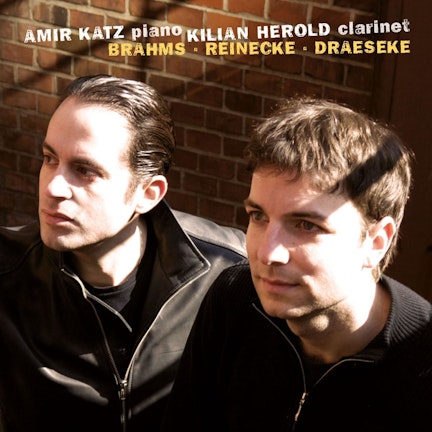
Brahms & Reinecke & Draeseke
Brahms: Clarinet Sonata in E-Flat Major, Op. 120 No. 2 / Reinecke: Introduzione ed allegro appassionato, Op. 256 / Draeseke: Clarinet Sonata in B-Flat Major, Op. 38