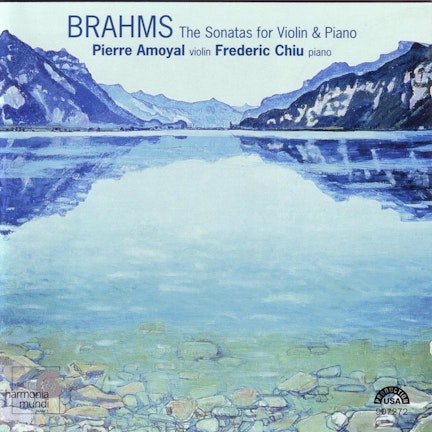
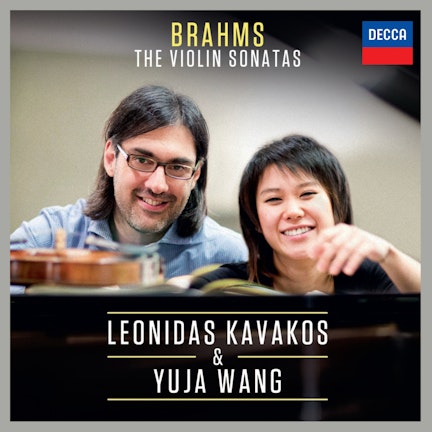
Brahms's A-major and D-minor sonatas (Opp. 100 and 108) were composed at Hofstetten, Switzerland, overlooking Lake Thun, in 1886 and 1888 respectively.
Compositional Technique
Brahms frequently drew upon thematic material from his own lieder (songs) for these sonatas, such as the G-major sonata which germinates from his 'Regenlied' ('Rain song').
Composition History
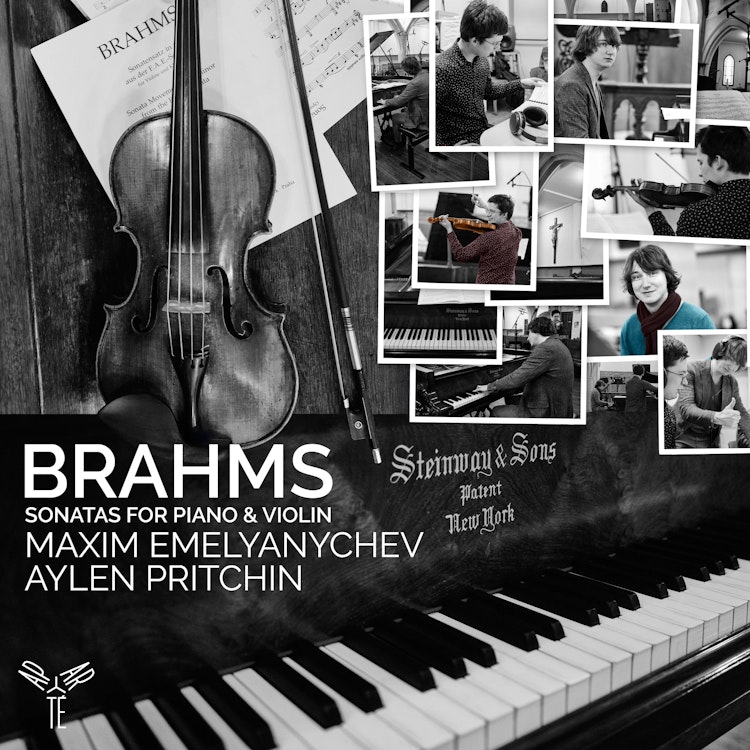
The Scherzo movement included on this album is from the collaborative F-A-E Sonata, written by Brahms, Robert Schumann, and Albert Dietrich as a surprise gift for violinist Joseph Joachim.
Composer Biography
Johannes Brahms composed his three complete sonatas for piano and violin during working summer holidays away from Vienna.
Composer's Artistic Vision
Brahms was deeply influenced by the German Volkslied (folksong), which he considered an ideal for lied composition.
Composition History
The G-major sonata, Op. 78, was composed in the Carinthian resort of Pörtschach, Austria, in 1878 and 1879.
Composition History
Before the three complete sonatas, Brahms had at least three predecessors, with the first now lost and the other two destroyed by the composer.
You might also enjoy...
Brahms: Violin Sonatas Nos. 1-3
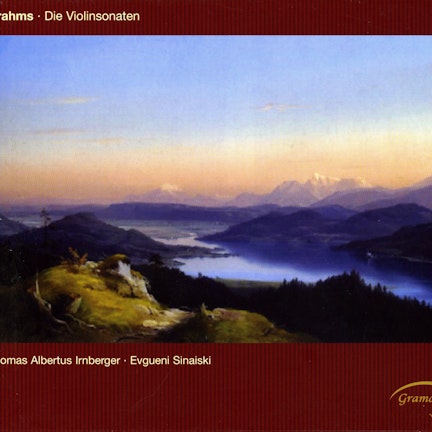
Brahms: The Sonatas for Violin & Piano
Brahms: Sonatas for Violin and Piano Nos. 1-3 & Scherzo